How to Build a Functional Wardrobe
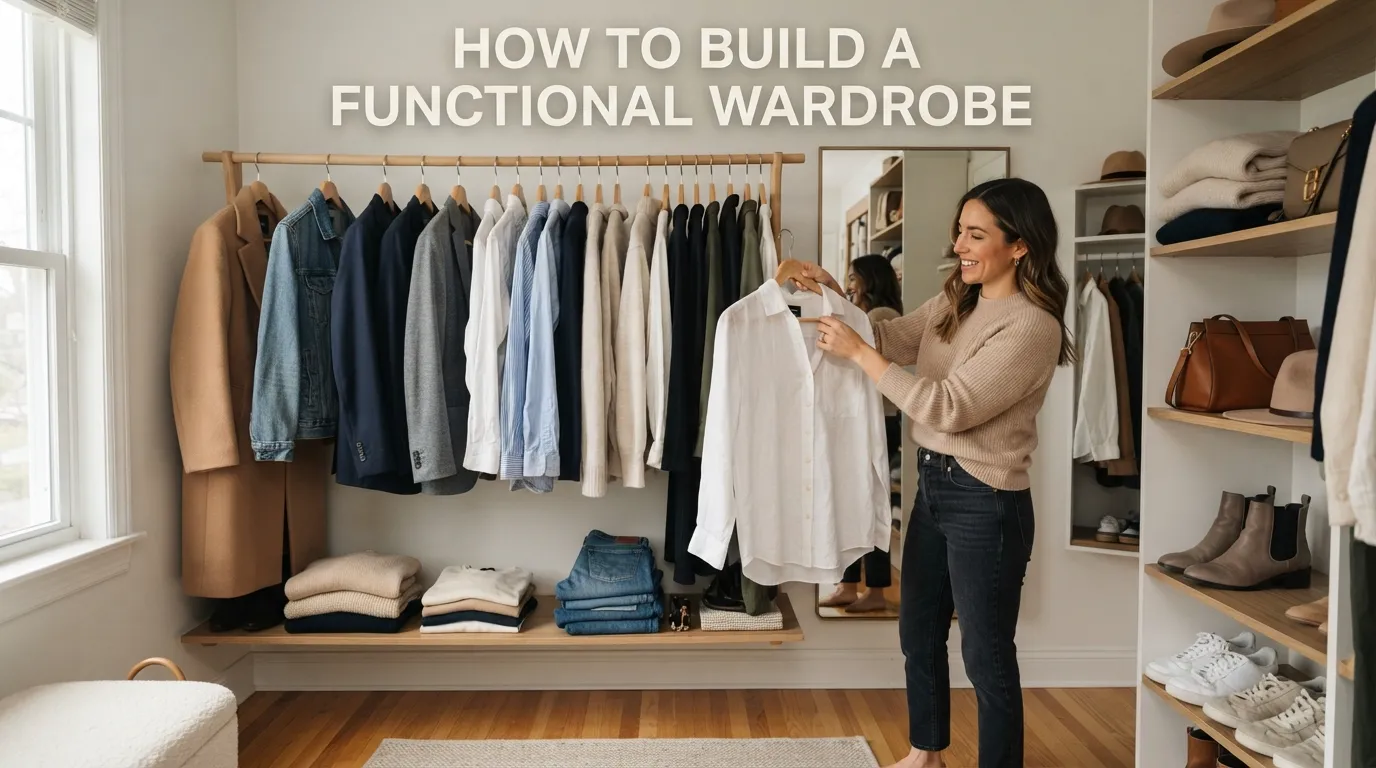
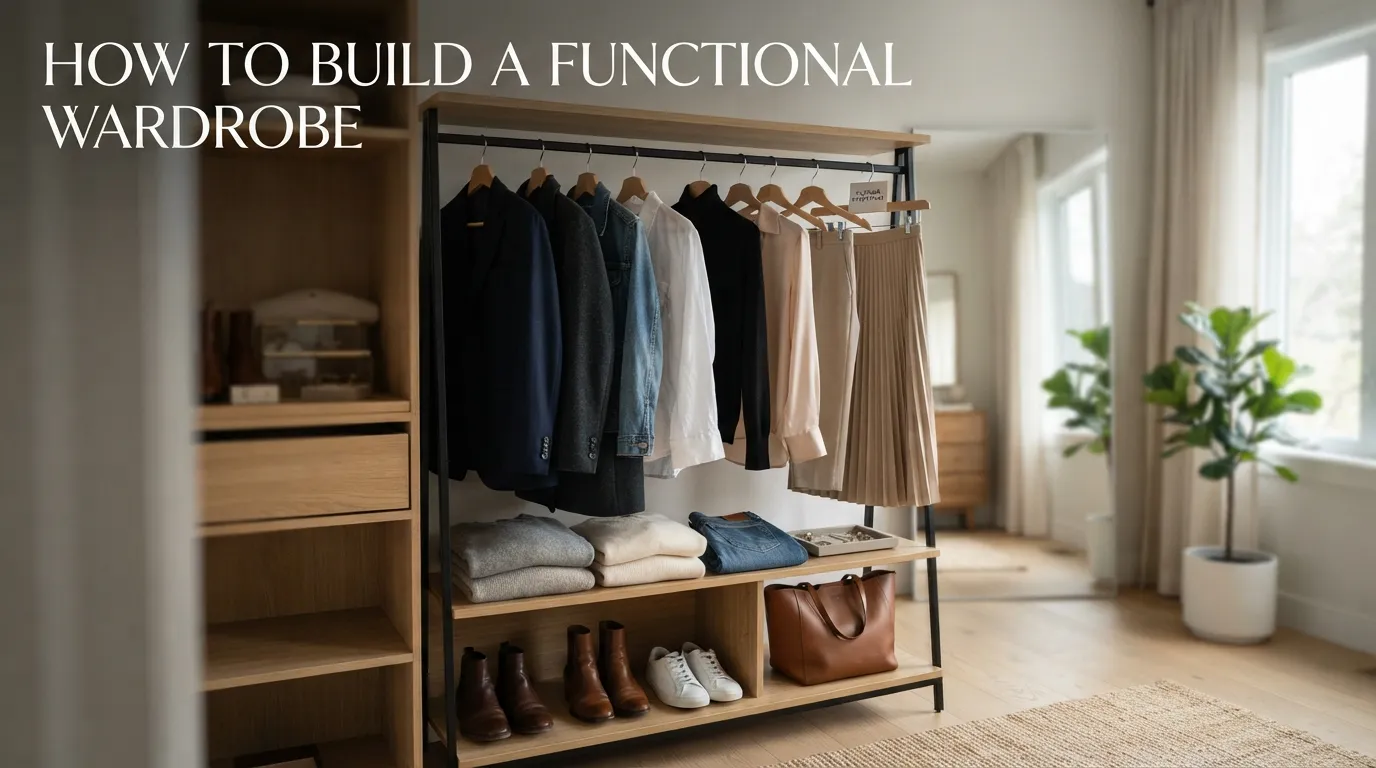
Learning how to build a functional wardrobe is an exercise in editing, discipline, and garment engineering. A truly functional capsule collection functions exactly like a modular system. Every top, bottom, and layer should interact seamlessly, allowing you to pull out a casual streetwear outfit or a high-level client consultation uniform with your eyes closed. This definitive blueprint establishes the mathematical rules, fabric metrics, and foundational anchors required to curate an elite closet for fashinite.com.
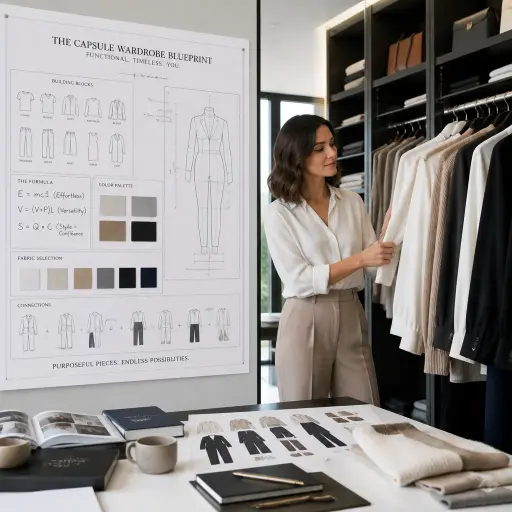
The Golden Matrix: The 80/20 Rule of Curation
The primary reason wardrobes fail to function is a skewed ratio of basics to statement items. When your closet is packed with loud prints, highly specific silhouettes, and temperamental fabrics, your outfit configurations are severely limited.
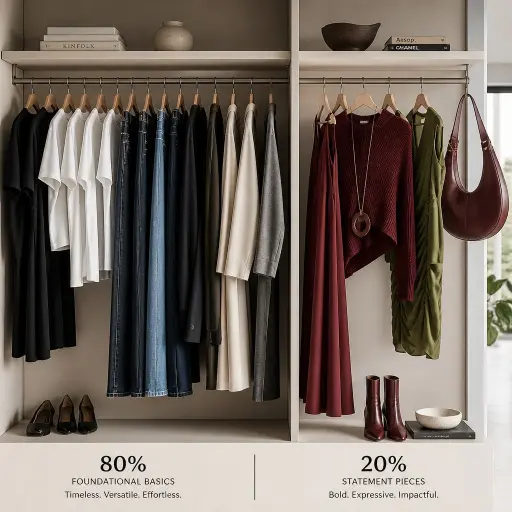
To achieve ultimate versatility, your collection should strictly follow the 80/20 rule of garment curation:
- 80% Foundational Basics: The structural canvases of your wardrobe. These are high-density, unbranded, desaturated pieces—think matte black bodysuits, pristine organic cotton white tees, rigid raw denim, and relaxed wide-leg suiting trousers.
- 20% High-Impact Statement Pieces: The punctuation marks. These include a rich burgundy asymmetric knit sweater, a bold leather cord pendant necklace, a dramatic drop-waist maxi dress, or a rigid geometric crescent handbag.
By prioritizing a massive, premium base of neutrals, your statement pieces suddenly have a clean canvas to punctuate, multiplying your potential outfit variations exponentially. also check women fashion tips.
The 4 Essential Pillars of a Modular Closet
To build a workspace that eliminates morning decision fatigue, your core collection must be built around four primary structural anchors.
1. The High-Density Upper Canvas
Discard flimsy, translucent t-shirts that shrink or lose their shape after a single wash cycle. Your foundational tops must be crafted from high-weight compact cotton jersey, heavyweight linen blends, or high-density matte modal bodysuits. These textiles hold a clean, opaque line against the frame, instantly looking polished and expensive even when styled casually.
2. The Rigid Lower Column
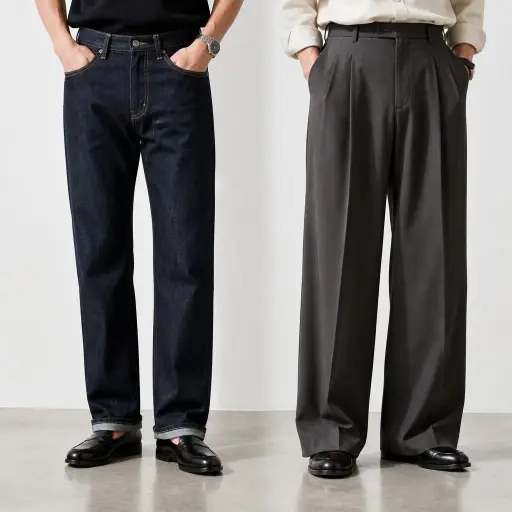
Your pants dictate the architectural baseline of your entire outfit. Invest heavily in two distinct shapes: a straight-leg jean made from 100% rigid raw cotton denim (which forces a long, neat vertical line down the leg) and fluid, wide-leg pleated suiting trousers in an earth tone like slate grey or dark bitter espresso.
3. The Tailored Outer Frame
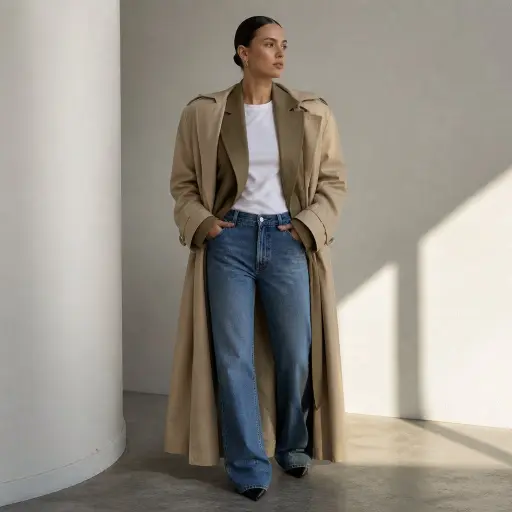
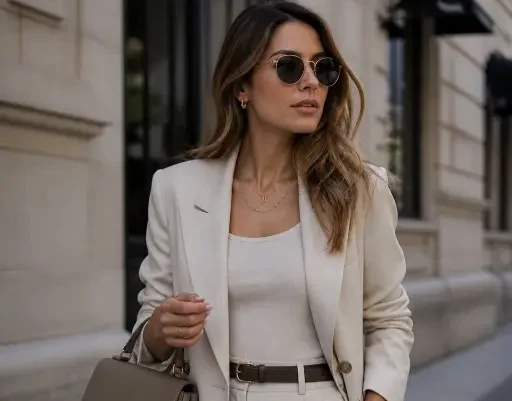
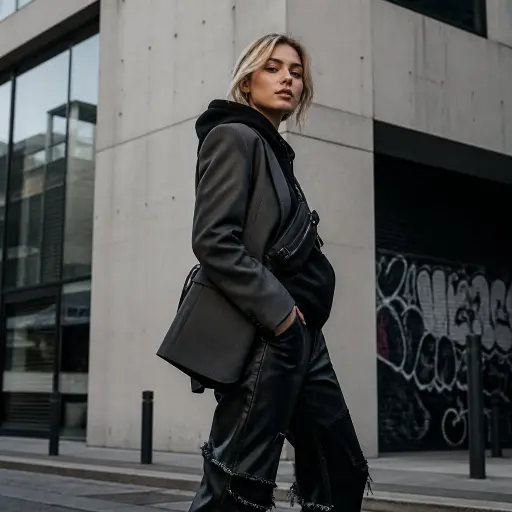
Outerwear functions as a visual bracket for your outfit. An oversized masculine blazer with strong, defined shoulders and a sweeping, full-length classic trench coat are non-negotiable anchors. Throwing a structured outer layer over a simple t-shirt and jeans instantly transforms raw street style into a calculated lookbook statement.
4. Geometric Footwear & Leather Accents
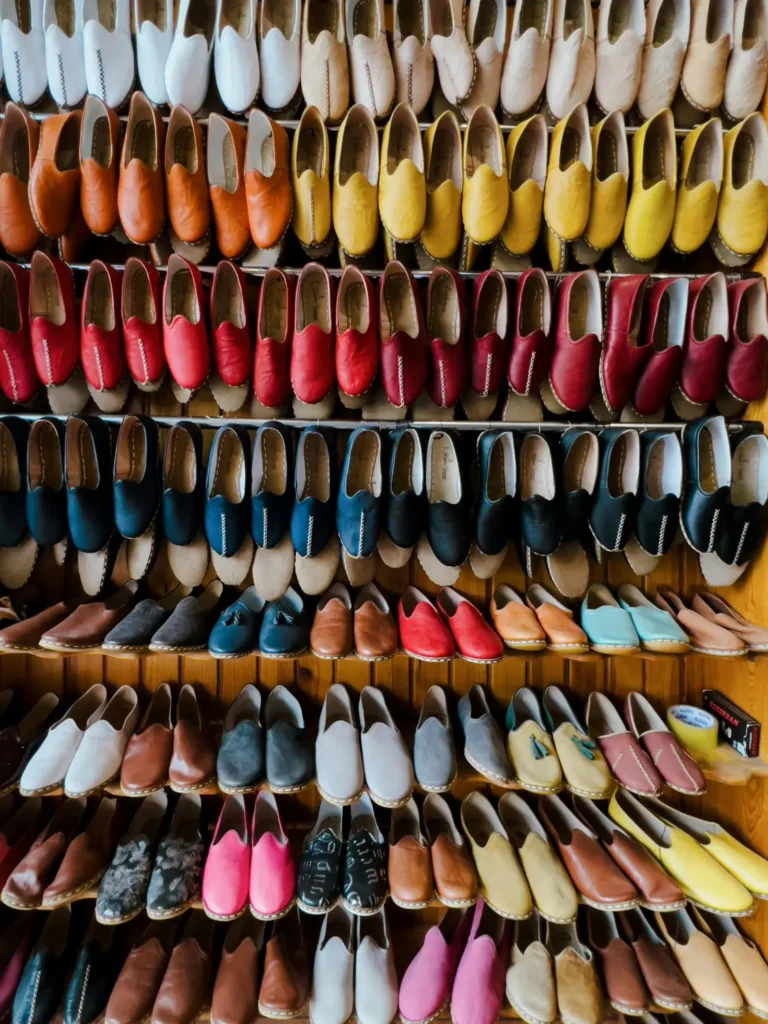
Accessories are the literal punctuation marks of style. A functional collection requires a pair of low-profile retro trainers for mobile casual settings, sleek leather mules or loafers for business environments, a wide-strap calfskin leather belt with geometric hardware, and a rigid, geometric leather shoulder bag to ground soft fabrics.
The Step-by-Step Build Sequence
Building an elite capsule collection cannot be done haphazardly in a single afternoon shopping spree. It requires a systemic, step-by-step assembly process:
The Assembly Sequence
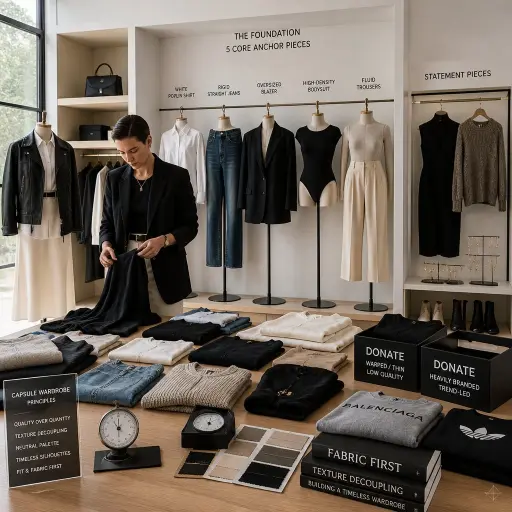
1.The High-Street Purge:Step 1.
Empty your current closet entirely. Remove every item that is warped, thin, or heavily branded with logos. Donate or archive micro-trends that do not fit into a desaturated neutral color story (blacks, creams, slates, tawnies).
2.Audit the Fabric Density:Step 2.
Evaluate your remaining garments based on material weight. If a top or dress requires complex undergarments just to sit correctly, or stretches out out of shape within an hour, remove it. Keep only pieces that hold their own geometric shape.
3.Secure the Top 5 Core Anchors:Step 3.
Before buying anything else, ensure you own: 1 crisp white poplin shirt, 1 pair of rigid straight-leg jeans, 1 oversized masculine blazer, 1 high-density black bodysuit, and 1 pair of fluid trousers.
4.Introduce the 20% Statement Punctuation:Step 4.
Once your foundational baseline is secure, selectively introduce high-quality statement elements—such as a modern drop-waist midi dress, a vibrant desaturated knit, or sculptural demi-fine jewelry.
Quick-Reference Matrix
When adding new items to your functional capsule, use this material matrix to ensure maximum longevity and elite visual presentation:
| Garment Type | Avoid This Material… | Invest in This Instead… | Why It Is Crucial for Functionality |
| Basics & Tops | Thin synthetic polyester blends | Compact High-Weight Cotton | Retains its crisp opacity and shape over dozens of wash cycles. |
| Denim Anchors | Ultra-stretchy elastane denim | 100% Rigid Raw Cotton Denim | Breaks in beautifully to fit your body perfectly, maintaining a clean column line. |
| Knitwear | Acrylic or cheap pilling nylon | Fine Merino Wool or Cashmere | Offers supreme thermal regulation and looks expensive due to fine yarn density. |
| Handbags | Slouchy, unformed faux-leather | Rigid Full-Grain Calfskin | Architectural edges anchor soft clothing and resist scuffing over time. |
Conclusion: Restraint is the Ultimate Authority
Ultimately, discovering how to build a functional wardrobe is an investment in your personal clarity and day-to-day productivity. True elegance is never achieved by buying more things; it is discovered by having the restraint to choose better things. By dedicating your closet space to substantial material weights, geometric tailoring, and unbranded modular anchors, you reclaim control over your morning routine and step out every single day looking completely curated.
FAQ How to Build a Functional Wardrobe
How many pieces should be in a functional capsule wardrobe?
There is no absolute mathematical number, but a highly effective, year-round functional capsule typically ranges between 30 to 40 modular pieces (excluding undergarments and workout wear).
Can I include bright colors in a functional wardrobe?
Yes, but treat them strictly within your 20% statement matrix. When selecting colors for a capsule, prioritize rich, desaturated, or earthy variations—such as a deep forest olive, rich burnt clay, or deep wine burgundy.
How do I maintain 100% rigid cotton denim so it lasts for decades?
To preserve the raw architecture of rigid denim, wash them as infrequently as possible. Spot-clean minor stains with a damp cloth, and hang them in a well-ventilated space to refresh the fibers.
What is the most versatile outer layer for a functional wardrobe?
The single most versatile outer layer is a well-tailored, mid-weight oversized masculine blazer in deep black, charcoal grey, or deep chocolate brown.
How do I stop my wardrobe from feeling boring over time?
Prevent style fatigue by switching out your 20% statement accents according to the seasons while keeping your 80% foundational base exactly the same.