Womens Fashion Tips for Every Body Type
In the architecture of a premium wardrobe, Womens Fashion Tips for Every Body Type is never determined by a size tag or a specific silhouette. Across major metropolitan fashion hubs, elite personal presentation relies entirely on a calculated design philosophy rooted in scale, proportion control, and geometric balance. Finding the most effective women’s fashion tips for every body type requires moving away from restrictive, outdated rulebooks and embracing the art of quiet luxury—ensuring your clothing frames your natural silhouette with absolute sophistication.
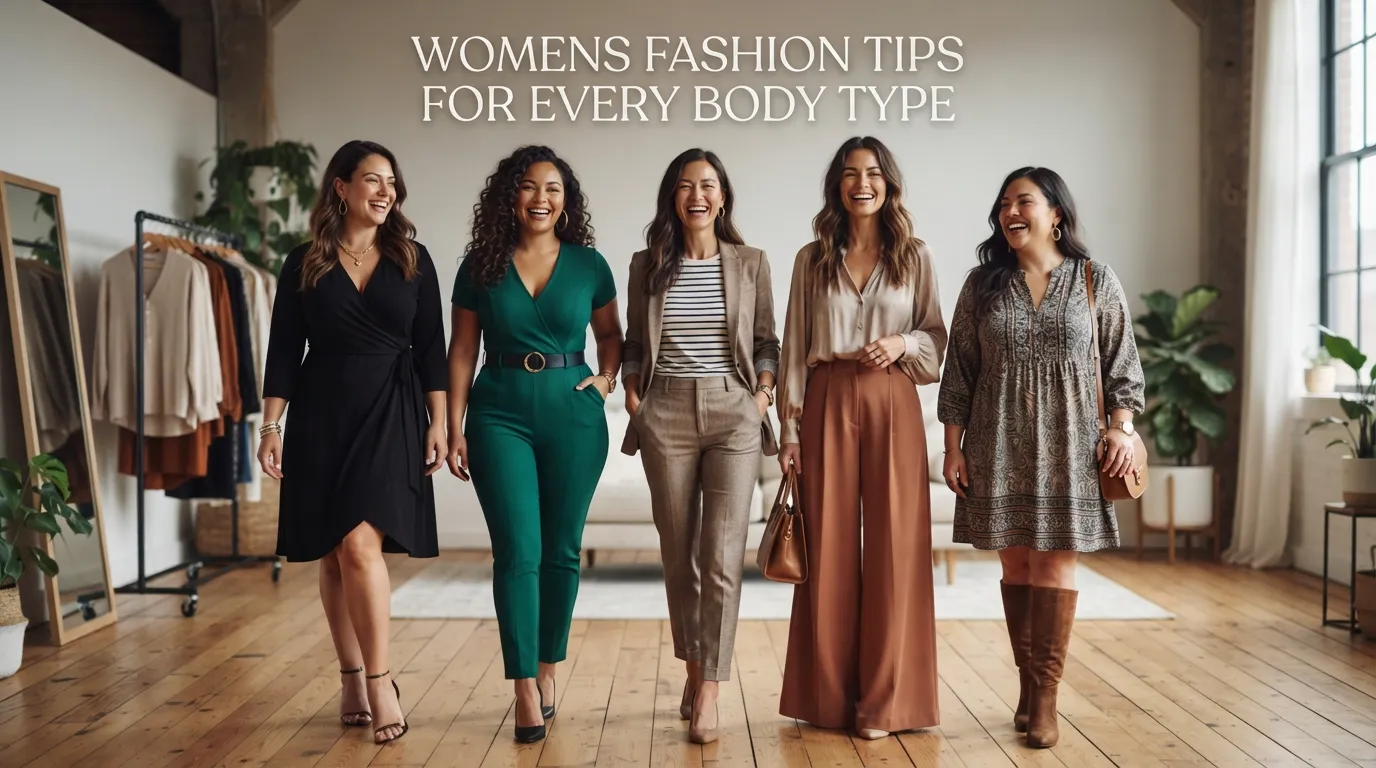
Womens Fashion Tips for Every Body Type
check Womens Fashion Tips for Every Body Type below:
Universal Design Strategies: The 4 Primary Profiles
Rather than trying to restrict your frame to a rigid category, use these architectural blueprints to create an elongated, balanced canvas that speaks to your personal style.
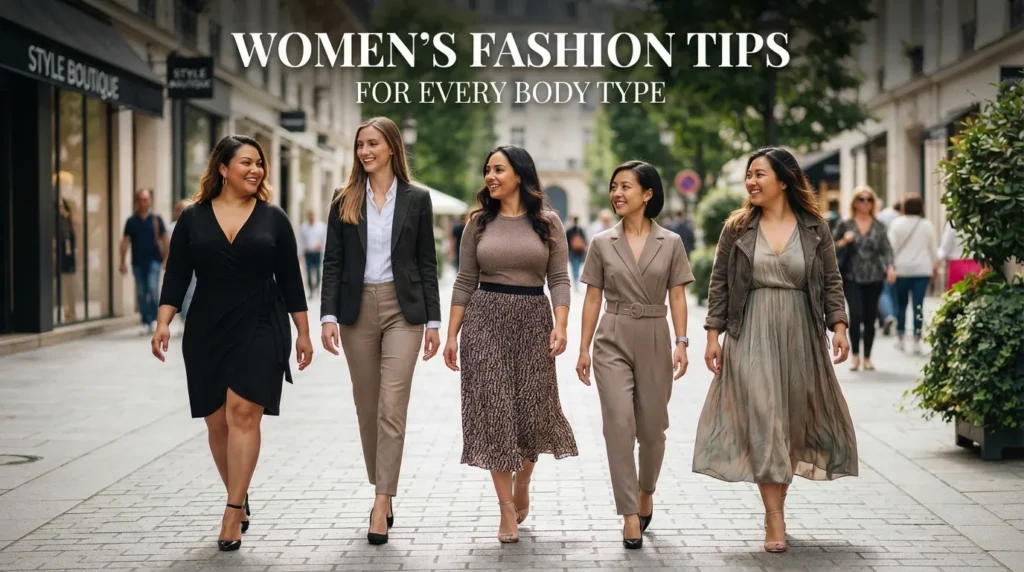
1. The Defined Inverted Matrix (Balancing Volume)
When your silhouette features broader shoulders or a full bust with narrower hips, the design objective is to introduce structural volume to the lower half of the frame to create an effortless, symmetrical balance.
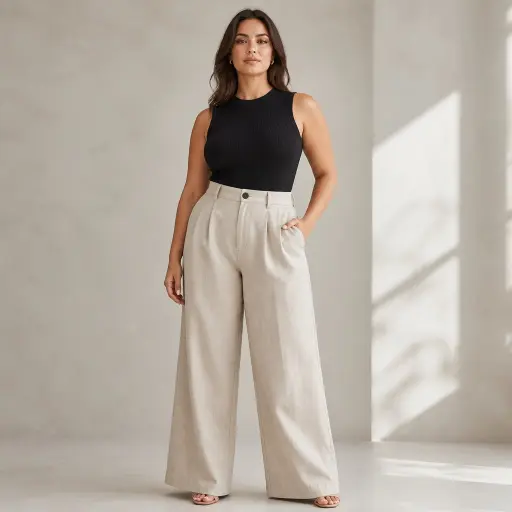
- The Formula: Avoid tight, skinny trousers that accentuate a top-heavy visual field. Instead, select a pair of high-waisted, relaxed tailored wide-leg trousers or a structured A-line midi skirt crafted from heavy linen or crisp poplin.
- The Layer: Pair these voluminous bottoms with a sleek, fine-gauge ribbed knit tank top or a fitted mock-neck bodysuit tucked tightly at the waist. This combination anchors the upper frame while allowing the lower fabric to drape beautifully, creating a flawless editorial line.
2. The Linear Pillar Framework (Creating Dimension)
For silhouettes where the shoulders, waist, and hips are aligned on a clean, straight vertical plane, the styling objective is to introduce dynamic texture contrast and unexpected geometric proportions. also check 5 trendy outfit ideas.
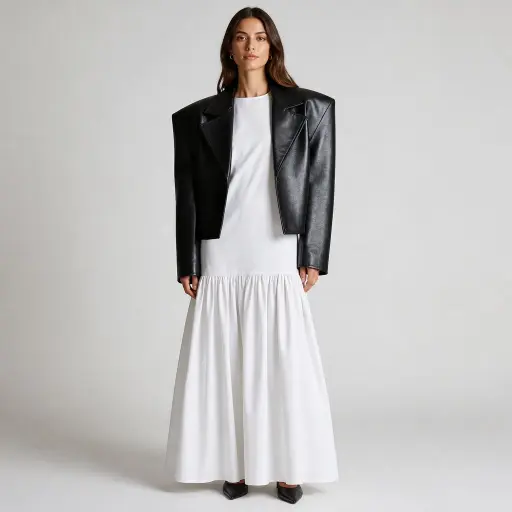
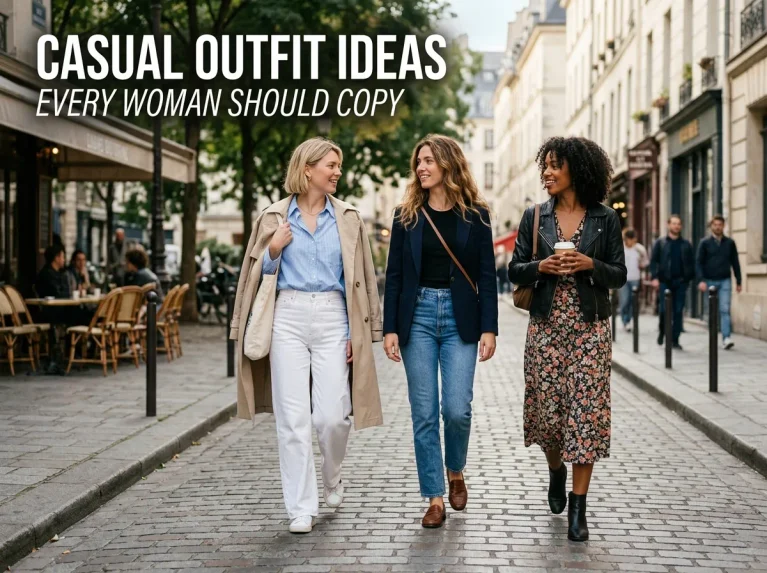
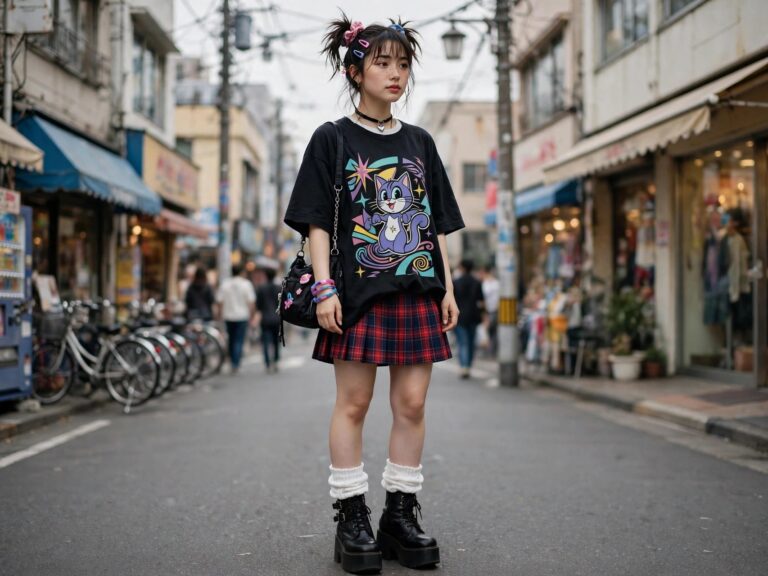
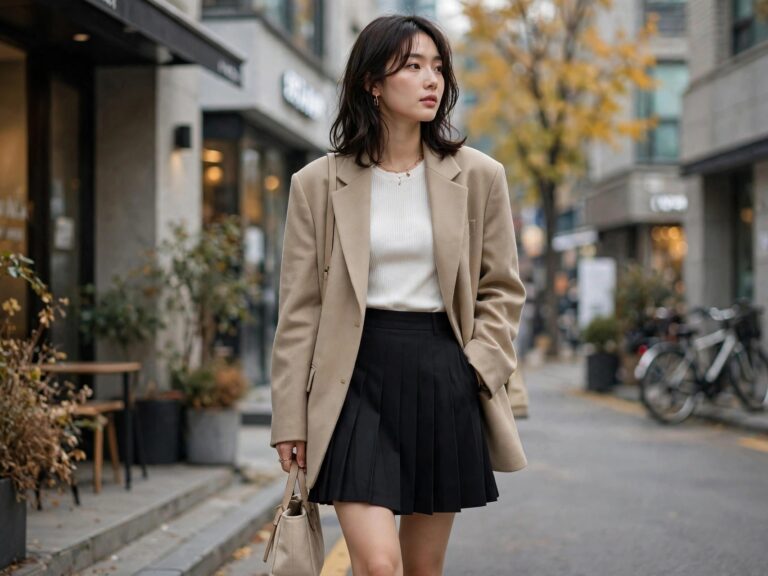
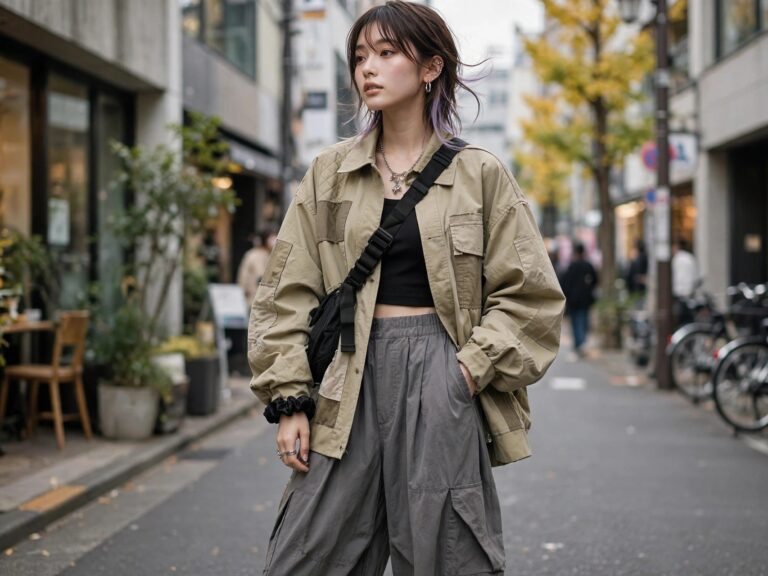
- The Formula: Avoid garments that divide your body exactly in half. Instead, embrace the viral drop-waist silhouette or a matching monochromatic column knit dress. As shown in the gallery, a drop-waist poplin dress drops the visual line down to the hips before expanding into volume, creating a beautifully elongated, high-fashion torso line.
- The Layer: Toss a boxy, oversized leather jacket or a masculine blazer with strong, padded shoulders over your frame to introduce sharp, hard-edged angles that contrast with the fluid textiles beneath.
3. The Balanced Kinetic Silhouette (Accentuating the Curve)
When your frame naturally features a highly defined waist with beautifully matched proportions across the shoulders and hips, your wardrobe should focus on clean, streamlined tracking.
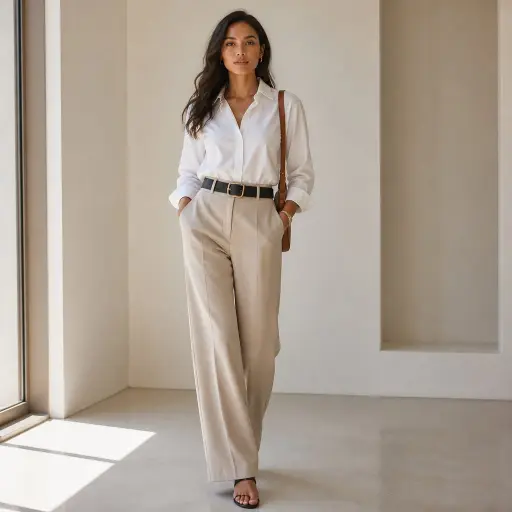
- The Formula: Avoid thick, stiff, boxy sacks that erase your natural proportions entirely. Instead, look for heavy-gauge washed silk slip skirts or high-density rib-knit midi dresses that naturally skim your frame without clinging tightly.
- The Layer: Highlight the true natural waistline by implementing the golden 1/3 to 2/3 proportion rule. Pair your high-waisted straight-leg rigid denim with a cropped cashmere sweater or a neatly tucked poplin shirt, cinching the look with a wide-strap calfskin leather belt with minimal geometric hardware.
4. The Architectural Base Profile (Elongating the Line)
For frames where the lower half of the silhouette naturally carries more visual weight than the shoulders, the objective is to draw the eye upward while creating a long, unbroken vertical column.
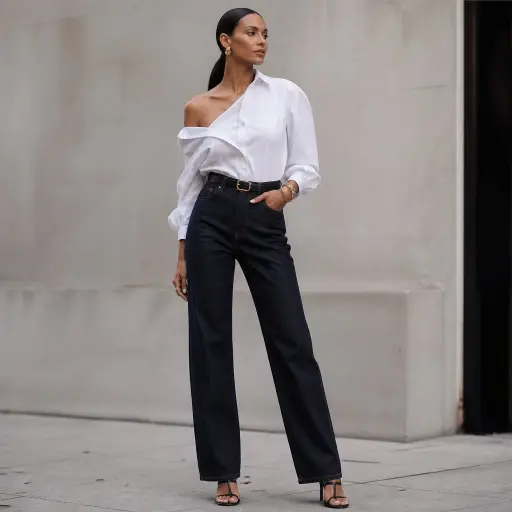
- The Formula: Grab a pair of high-waisted, straight-leg jeans crafted from 100% rigid raw cotton denim in deep indigo or matte obsidian black. The stiff fabric forces a clean vertical line down the leg that never sags.
- The Layer: Style the denim with an asymmetric neckline blouse or a top featuring structural, unforced volume—such as a crisp poplin shirt with subtle shoulder pleats or an open, draped collar. This draws attention upward toward the collarbones while the rigid denim creates a streamlined base.
Conclusion:
Embrace the ease of Womens Fashion Tips for Every Body Type, master the balance of structure and relaxed volume, and let your innate confidence define your look. For more exclusive fashion blueprints and premium style inspiration, continue your seasonal design journey with fashinite.com.
FAQ Womens Fashion Tips for Every Body Type
read important faq abour Womens Fashion Tips for Every Body Type below:
Why should I choose rigid denim over stretch denim for a premium look?
Thick, 100% rigid raw cotton denim holds its own architectural shape independent of the body. Unlike stretch denim, which sags, creases, and contours tightly to every curve, rigid denim retains a clean, sharp vertical line straight down the leg, keeping your outfit looking polished and expensive all day.
Can petite women wear oversized masculine blazers?
Yes, provided you apply the single-volume contrast rule. Pair a boxy, voluminous masculine blazer with a sleek, highly fitted foundational layer underneath—such as a tucked cotton bodysuit—and straight-leg rigid denim.
How do I stop wide-leg trousers from looking sloppy on curves?
Look for wide-leg trousers crafted from substantial, high-density suiting fabrics that feature sharp, stitched front pleats.
What accessory provides the best structural grounding for relaxed clothes?
The most impactful accessory is a rigid leather handbag featuring clean, unyielding geometric lines, such as a minimalist crescent shoulder bag or boxy crossbody.