How to Look Polished in Simple Pieces
The ultimate paradox of How to Look Polished in Simple Pieces is that the most unforgettable outfits are often the simplest. We have all seen that person who commands a room wearing nothing more than a plain white t-shirt and classic trousers. They look effortlessly elevated, expensive, and completely put-together. Meanwhile, attempting to recreate the exact same look with items from your own closet can sometimes feel underwhelming, flat, or overly casual.
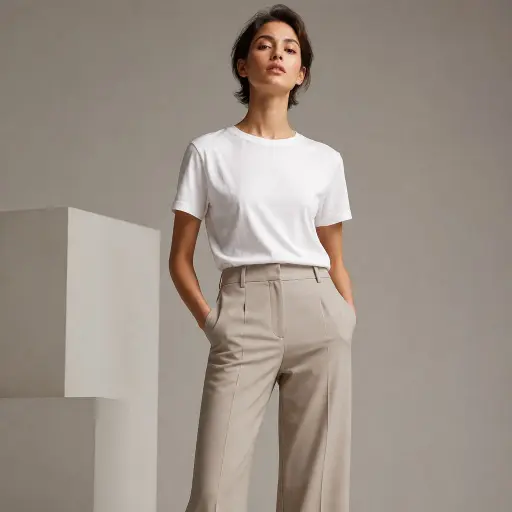
Learning how to look polished in simple pieces is not a matter of luck or buying designer luxury logos. It is an exact science based on fabric density, geometric proportions, and structural grounding. When an outfit lacks loud patterns or complex layers to distract the eye, the individual components must be executed perfectly. This definitive style blueprint breaks down the exact formulas needed to transform humble basics into an editorial statement for fashinite.com.
How to Look Polished in Simple Pieces
look for How to Look Polished in Simple Pieces below:
1. The Core Variable: Heavy Fabric Density
The line between looking effortlessly chic and looking unpolished comes down to the weight of your textiles. Flimsy, thin fabrics lack internal structure; they cling awkwardly, wrinkle instantly, and reveal undergarment lines. Simple pieces must possess enough weight to hold their own pre-engineered geometric shape independent of your body.
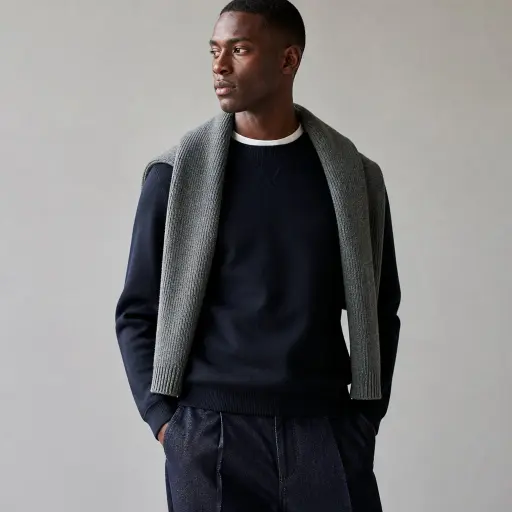
To look instantly polished, elevate the baseline quality of your core wardrobe essentials:
- The Upper Canvas: Swap out tissue-thin tees for high-density, compact organic cotton jersey (look for weights above 200 GSM).
- The Lower Column: Invest in pants crafted from 100% rigid raw cotton denim or heavy-weight wool-blend suiting trousers.
- The Knit Layer: Choose high-gauge, tightly woven merino wool, heavy linen, or cashmere that drapes beautifully without sagging.
Substantial materials automatically look more expensive because they create clean, smooth vertical lines down the frame. also check casual yet chic look.
2. The 3-Step Execution Sequence
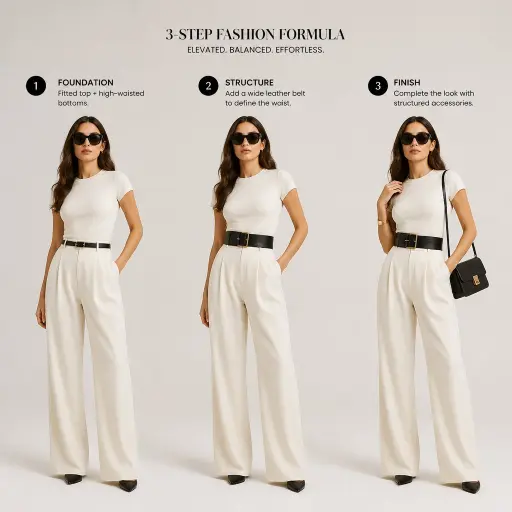
When assembling an outfit from basic separates, follow this structural sequence to ensure the final look feels completely intentional:
1.The Golden Proportions Tuck:Step 1.
Establish your silhouette using the 1/3 to 2/3 styling rule. Tuck your high-density top cleanly into a high-waisted bottom. This visually raises your waistline, immediately elongating your leg line.
2.Anchor with a Substantial Belt:Step 2.
Add a wide-strap calfskin leather belt with minimal geometric hardware (such as a clean silver or gold buckle) at the waist. This creates a sharp horizontal boundary that anchors the simple fabrics.
3.Ground with Rigid Accessories:Step 3.
Finish the look by introducing a rigid, geometric leather shoulder bag and bold, heavy acetate sunglasses. The crisp boundaries of the accessories frame the soft clothes beautifully.
Conclusion:
Embrace the power of elevated basics, master the balance of structural duality, and let your innate confidence define your signature frame. For more exclusive fashion blueprints and premium capsule design inspiration, continue your seasonal aesthetic journey with fashinite.com.
Frequently Asked Questions
What jewelry works best to elevate a plain white t-shirt outfit?
Skip delicate, easily tangled micro-chains and opt for a single piece of substantial, unbranded demi-fine jewelry.
Why is rigid denim preferred over stretch denim for a polished look?
Authentic 100% rigid cotton denim holds its own architectural shape over long hours of wear.
How do I stop simple pieces from looking boring over time?
Prevent style fatigue by using your accessories as punctuation points. Switching out your footwear for a modern shape (like a sharp square-toe leather mule).
Can I look polished in sneakers?
Yes, provided the sneakers are pristine, completely unbranded, and low-profile.
What is the best way to care for cotton poplin shirts to keep them crisp?
Always hang your poplin shirts on thick wood or padded hangers rather than thin wire ones to preserve the shoulder structure.