
How to Stop Winter Hair Frizz: 10 Easy Tips for Smooth, Shiny Hair
How to Stop Winter Hair Frizz: 10 Easy Tips for Smooth, Shiny Hair

Cold air, indoor heating and woolly hats are a tough combination for your hair, and if you have ever wondered how to stop winter hair frizz, you are not alone. When the air turns dry, hair lifts its outer cuticle layer in search of moisture, and that is what creates the halo of flyaways. A few small changes to how you wash, dry and protect your hair can keep it smooth, soft and shiny all season.

Switch to a Moisturizing Shampoo and Conditioner

Winter frizz often starts in the shower, so swap your regular shampoo for a moisturizing formula with shea butter, argan oil or glycerin. These ingredients replace the moisture cold air strips away.
Follow with a rich conditioner on the mid-lengths and ends, where hair is oldest and driest. Leave it in for two or three minutes so it can smooth the cuticle before you rinse.
Wash Your Hair Less Often

Every wash removes some of your scalp’s natural oils, and in winter those oils are your hair’s best defence against dryness. If you wash daily, try stretching to every second or third day instead.
Your scalp will adjust within a couple of weeks, and your hair will hold on to more natural moisture. On skip days, a little dry shampoo at the roots keeps things feeling fresh.
Use a Leave-In Conditioner

A leave-in conditioner keeps working long after you leave the bathroom. Applied to damp hair, it forms a light layer that seals in moisture and keeps the cuticle lying flat.
Choose a lightweight cream or spray so fine hair does not get weighed down. Work a small amount through the lengths and ends, and comb it through with a wide-tooth comb.
Try a Hair Oil or Serum

Hair oils and serums are made for exactly this problem. A few drops of argan, jojoba or camellia oil over the ends creates a barrier that locks moisture in and keeps dry winter air out.
Start with two or three drops warmed between your palms, then add more only if your hair still feels dry. Too much oil leaves hair greasy, while just enough gives a smooth, polished finish.
Dry Hair with a Microfiber Towel

A rough cotton towel rubs the cuticle in every direction, lifting it and creating frizz before you have even picked up a brush. A microfiber towel, or a soft old cotton t-shirt, absorbs water gently without that friction.
Wrap your hair and squeeze the water out in sections instead of rubbing, then let it air dry when you can. If you use a hairdryer, use low heat and finish with cool air.
Use a Silk Pillowcase

You spend around eight hours a night with your hair pressed against your pillow, and cotton creates friction with every toss and turn. That friction roughs up the cuticle and leaves you waking up to frizzy hair.
A silk or satin pillowcase lets your hair glide instead of catching, and it absorbs far less moisture than cotton. Many people notice smoother mornings within the first week.
Avoid Hot Water When Washing
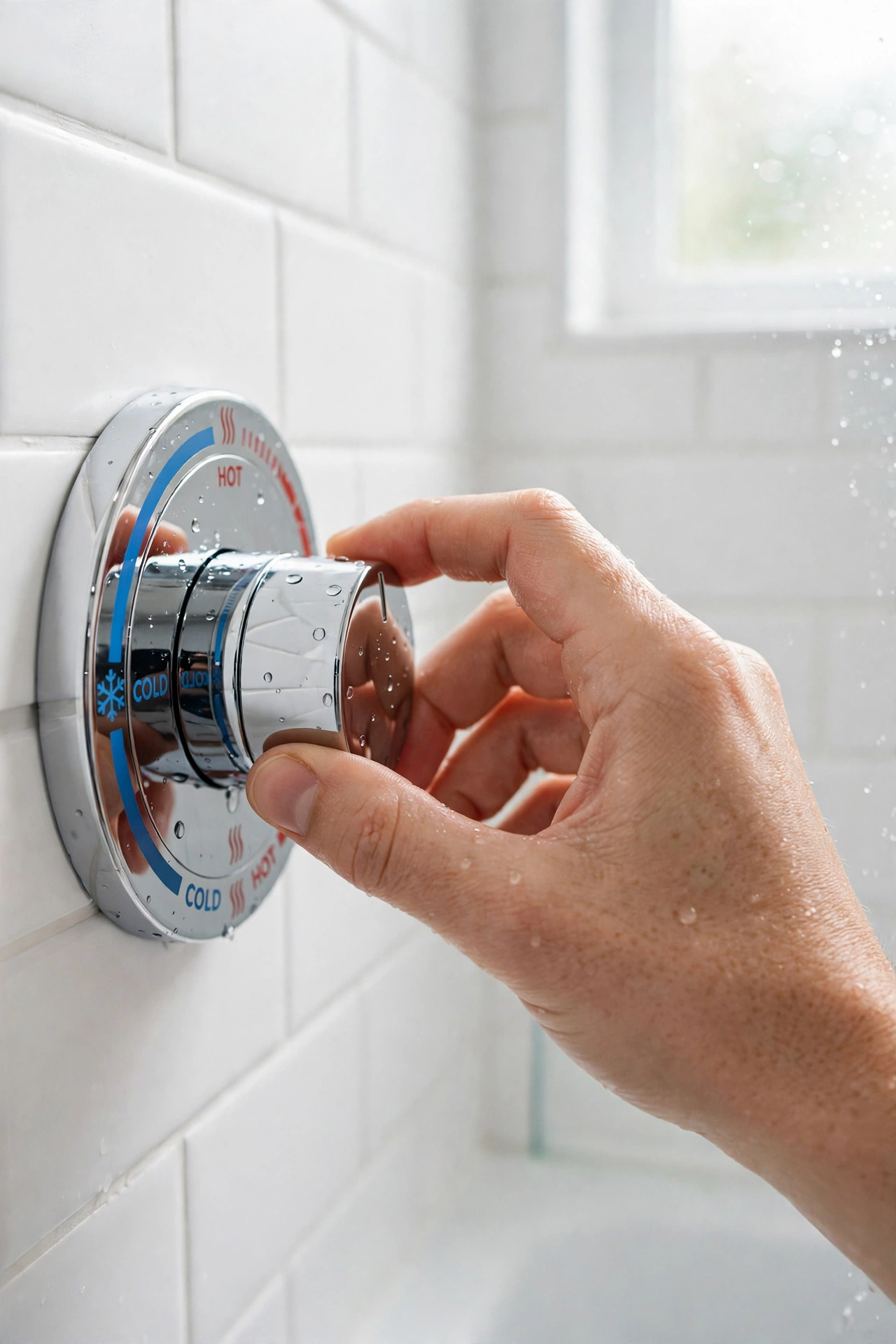
A long, steaming hot shower feels wonderful in winter, but hot water strips away natural oils and lifts the cuticle. Lukewarm water cleans just as well while being far kinder to your hair.
Keep the water warm rather than hot, and finish with a quick cool rinse if you can manage it. The cool water helps the cuticle close and lie flat, locking in shine.
Add a Weekly Deep Conditioning Mask
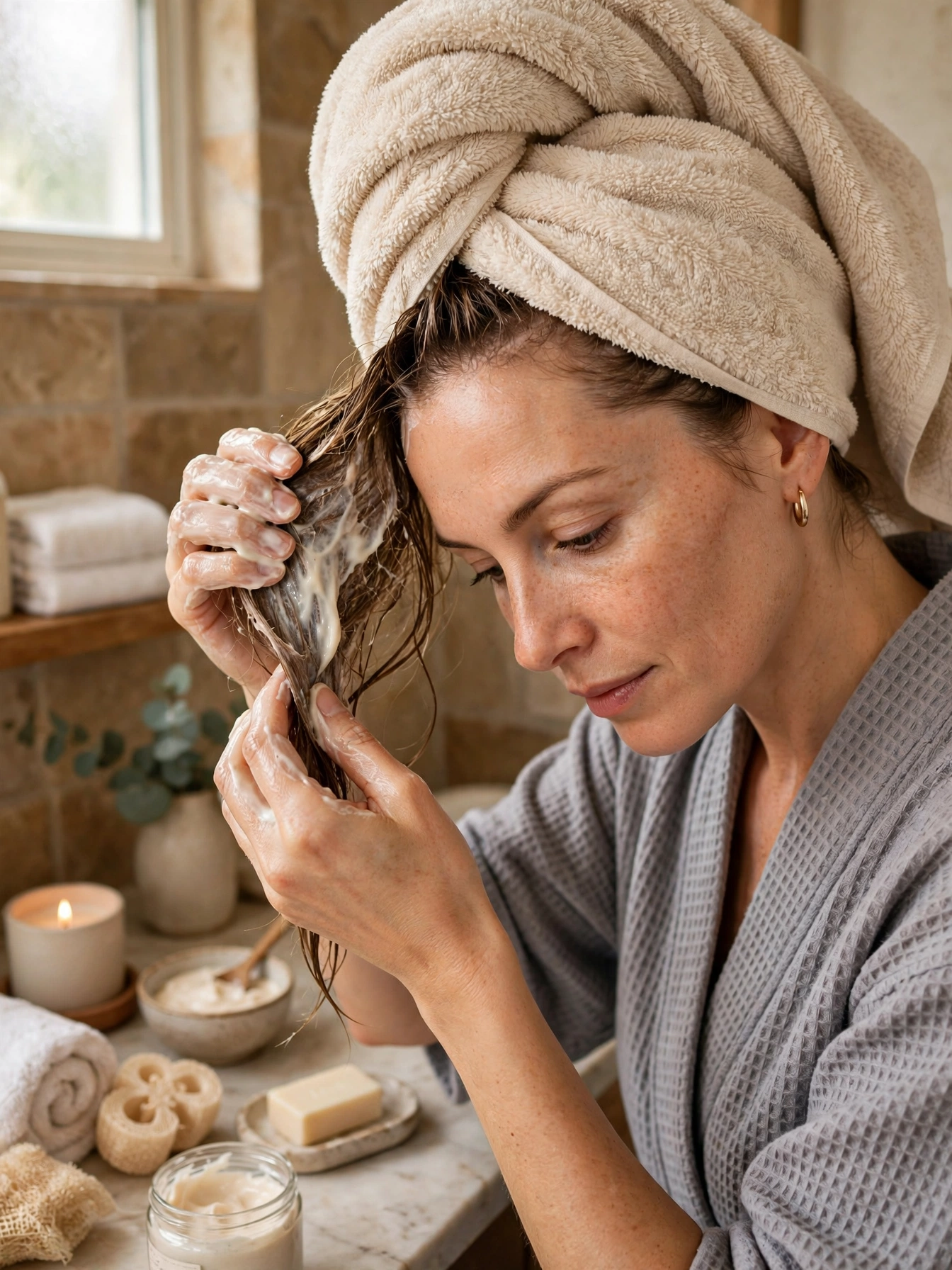
Even the best daily conditioner cannot always keep up with winter dryness, which is where a weekly deep conditioning mask comes in. A rich mask restores the moisture that cold air and heating steal from your hair.
Apply it once a week after shampooing and leave it on for ten to fifteen minutes. For an extra boost, wrap your hair in a warm towel while the mask works.
Tame Flyaways with a Touch of Hairspray
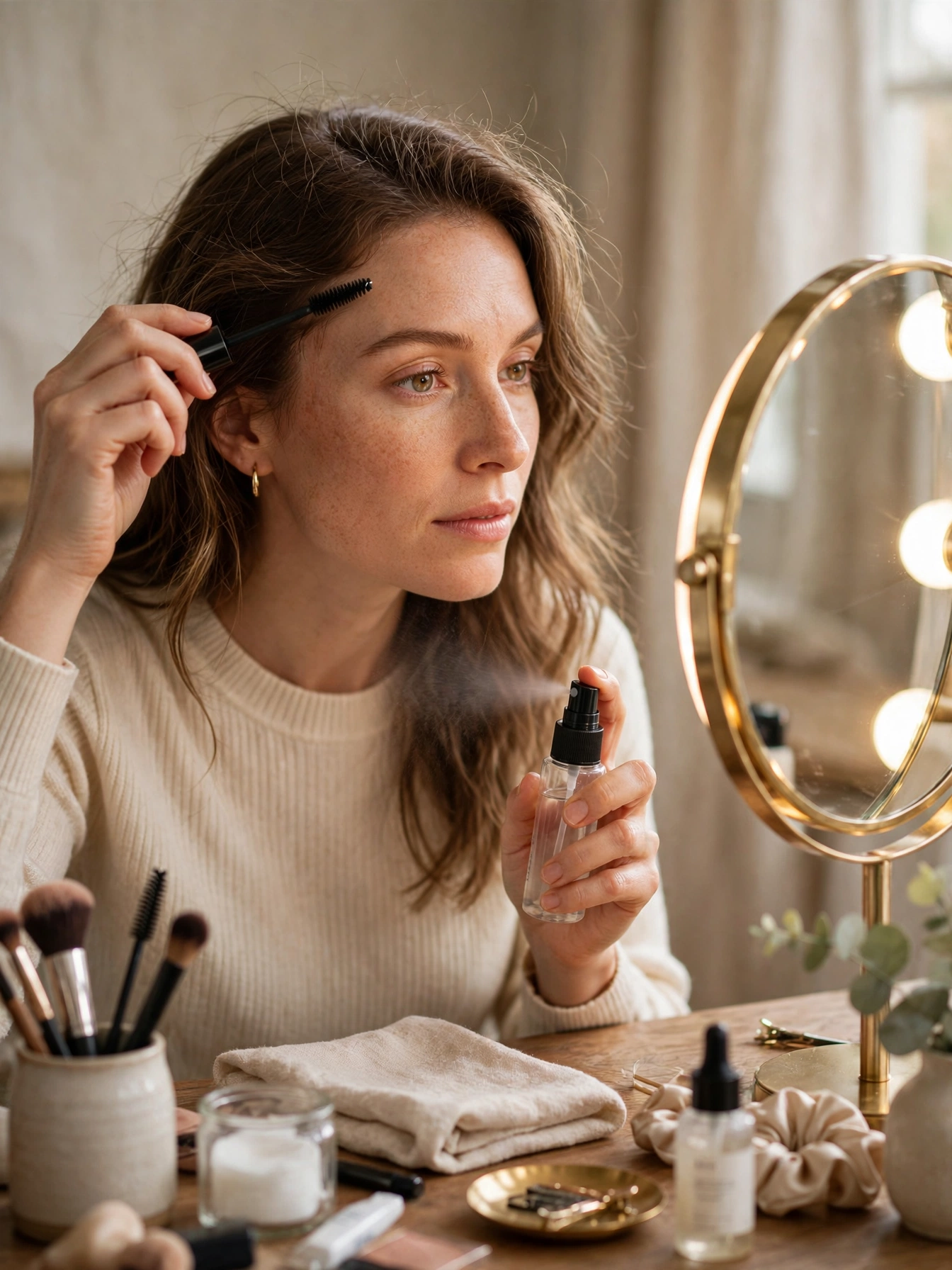
Some days a few stubborn flyaways will still appear, especially after pulling off a winter hat. A light mist of flexible-hold hairspray is the quickest fix for them.
Spray a little onto your palms or a clean mascara brush and smooth it over the flyaways, rather than spraying directly at your head. Keep a travel-size bottle in your bag for touch-ups.
Protect Hair from Cold Wind with a Hat or Scarf

Cold wind whips hair around and strips moisture from every strand, so covering your hair outside is the simplest protection there is. A soft hat or a silk-lined scarf shields your hair while keeping you warm.
Choose smooth fabrics where possible, since rough wool can snag and rough up the cuticle. A silk or satin lining inside your hat is ideal, but even a regular hat beats leaving hair exposed to icy gusts.
Frequently Asked Questions
Why does my hair get frizzy in winter?
Winter air holds very little moisture, and indoor heating dries it out further. Dry hair lifts its cuticle layer to seek moisture, which makes strands swell and stick out. That lifted cuticle is what you see as frizz.
How can I stop winter hair frizz overnight?
The quickest overnight fix is a leave-in conditioner or a few drops of hair oil before bed, plus a silk pillowcase or a loose braid. You should notice smoother hair by morning.
Does winter frizz affect curly hair more than straight hair?
Yes, curly and wavy hair tends to frizz more in winter because the curl pattern naturally lifts the cuticle and lets moisture escape. Curly hair usually needs richer leave-in products and a weekly mask.
Can I use heat styling in winter without more frizz?
You can, but always use a heat protectant spray first and keep tools on a medium setting. Finish with a cool shot from the dryer, and limit heat styling to a few times a week.
Winter frizz does not have to ruin your hair days. Start with one or two of these tips, such as a moisturizing shampoo and a leave-in conditioner, then build the rest into your routine. For more seasonal style ideas, read our guide on winter fashion tips for women over 40, and to understand the science behind healthy strands, see the Hair care page on Wikipedia.