Japanese Women’s Fashion Trends to Try
Japanese women’s fashion trends have a way of feeling both ahead of their time and completely timeless. From the experimental streets of Harajuku to the quiet minimalism of Aoyama, Japan’s style scene offers something for every kind of dresser — if you know where to look.
What sets Japanese fashion apart is its fearlessness with proportion. Oversized layers, wide-leg trousers, and sculptural shapes are everyday wear, not runway costumes. At the same time, a deep respect for fabric, craftsmanship, and restraint keeps even the boldest outfits feeling considered.
Below are the Japanese women’s fashion trends to try right now, from Tokyo street style’s oversized silhouettes to the calm, minimalist looks that define Japan’s quieter side — plus answers to the questions readers ask most.
Japanese Women’s Fashion Trends: Tokyo Street Style Goes Oversized
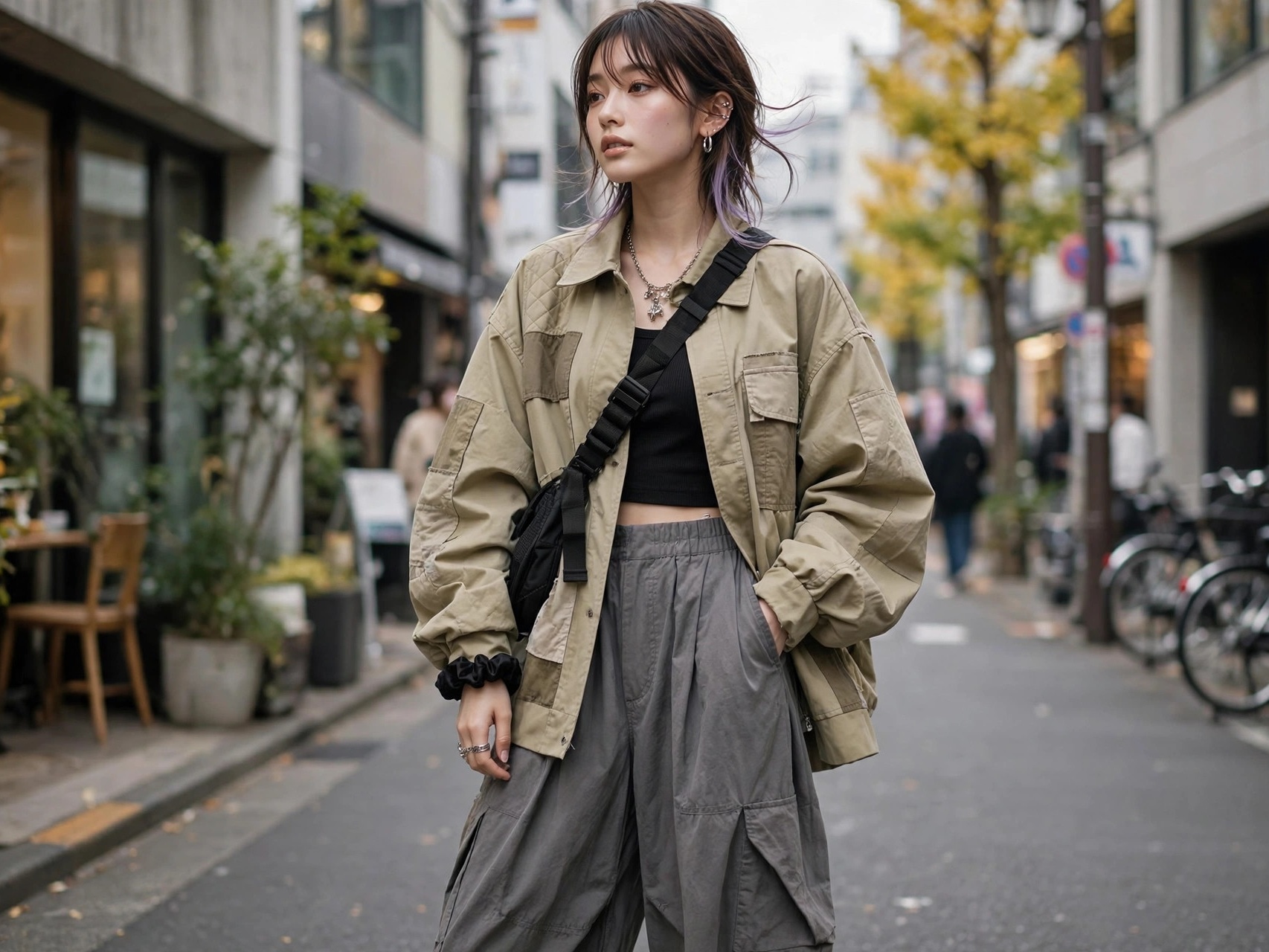
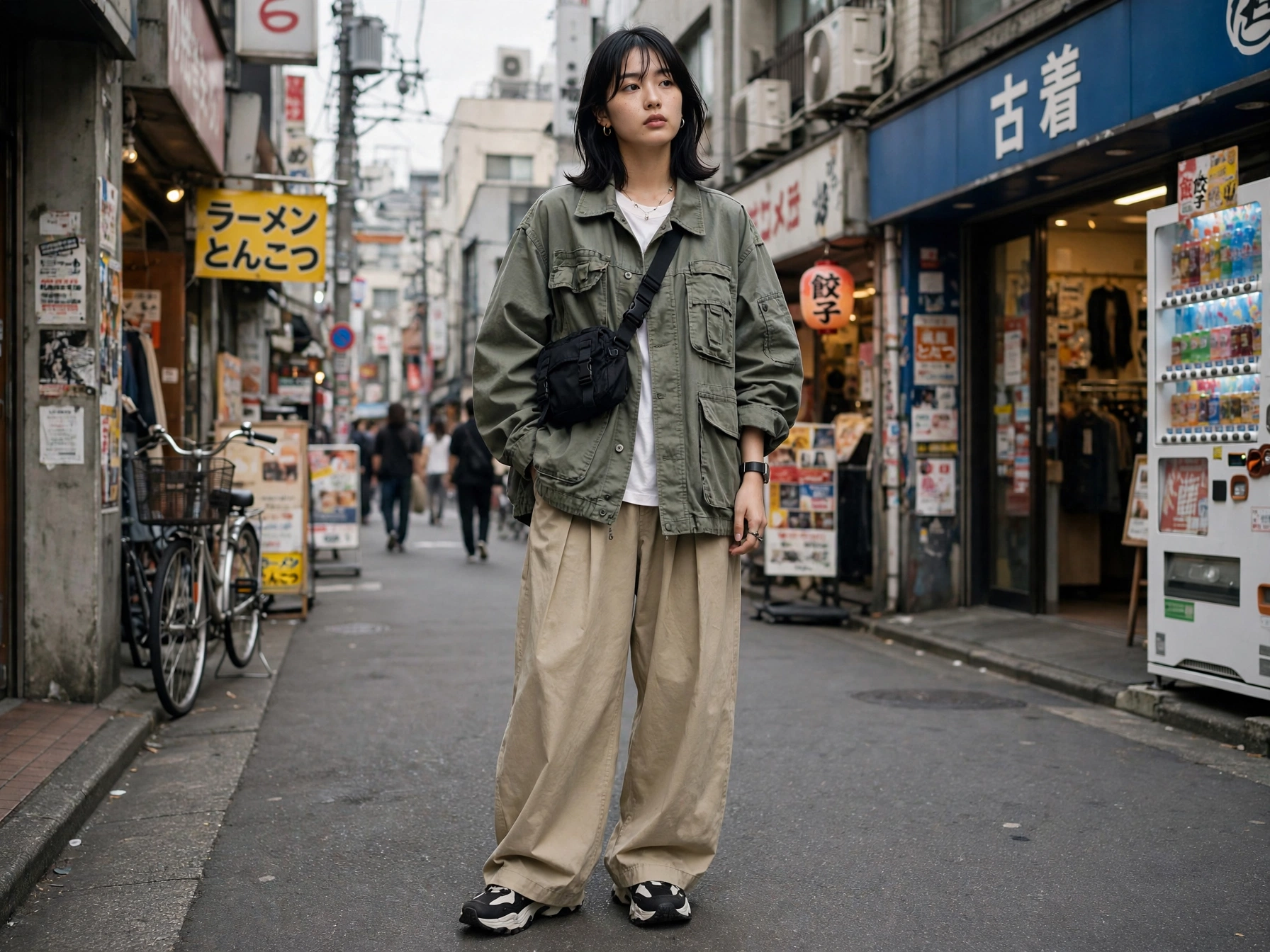
Walk through Harajuku or Shimokitazawa on a weekend and one thing is obvious: Japanese street style loves volume. Boxy jackets, wide trousers, and long layered tops create silhouettes that are dramatic yet comfortable. The trick is that the volume is always deliberate — one oversized piece balanced by cleaner lines elsewhere.
Try these Tokyo-inspired Japanese women’s fashion trends:
- The boxy jacket + wide trousers combo. An oversized utility or denim jacket over a simple tee, paired with wide-leg trousers and chunky sneakers. Relaxed, cool, and endlessly wearable.
- Long-over-long layering. A long shirt under a cropped jacket, or a tunic over wide pants. Japanese street style stacks lengths to create depth and movement.
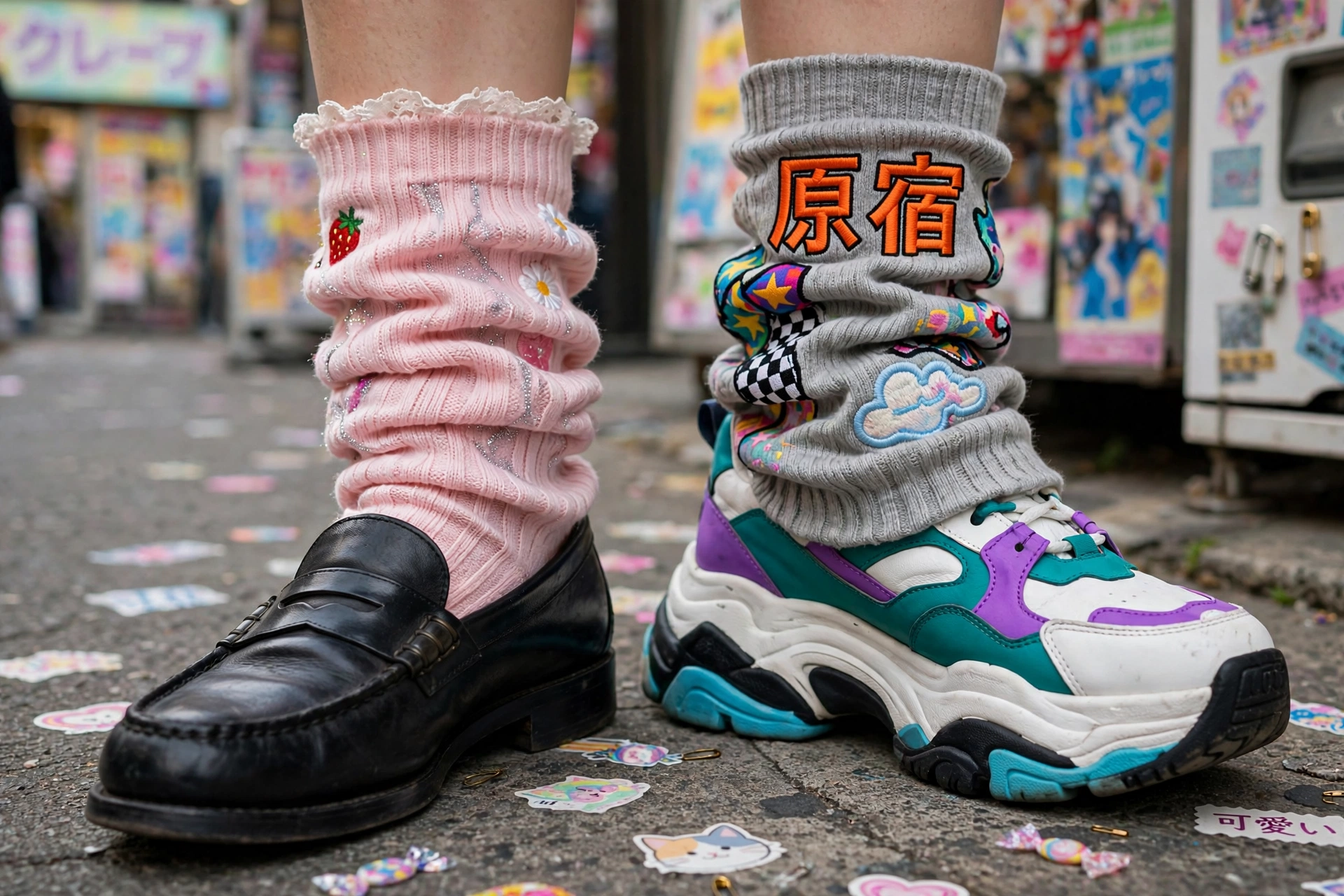
- Statement socks and sneakers. Slouchy socks with loafers or bold sneakers ground an outfit in Harajuku attitude. It’s a small detail with big impact.
- Techwear touches. Cargo pockets, straps, and matte black fabrics borrow from techwear without going full cyber — a nod to Tokyo’s futuristic edge.
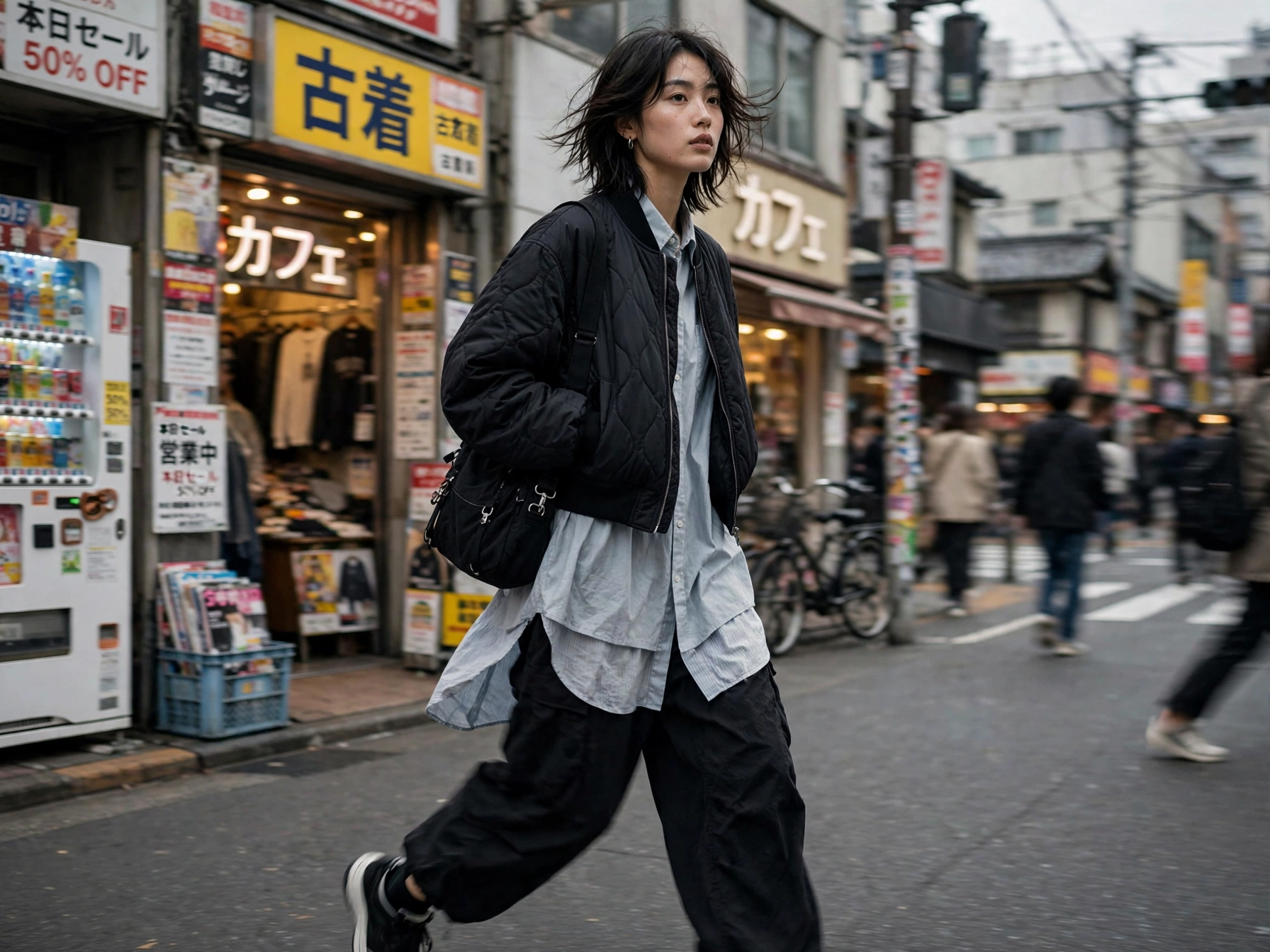
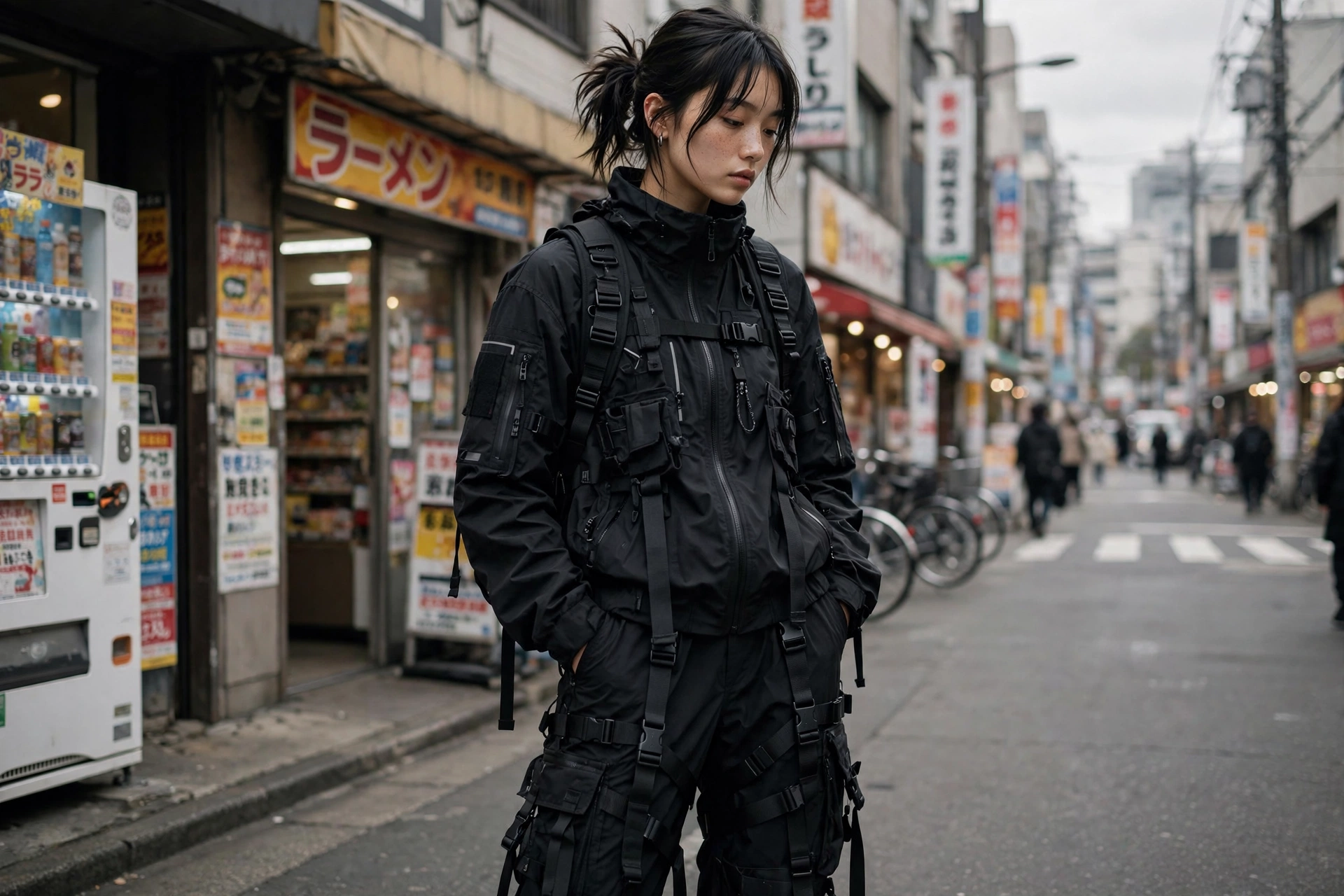
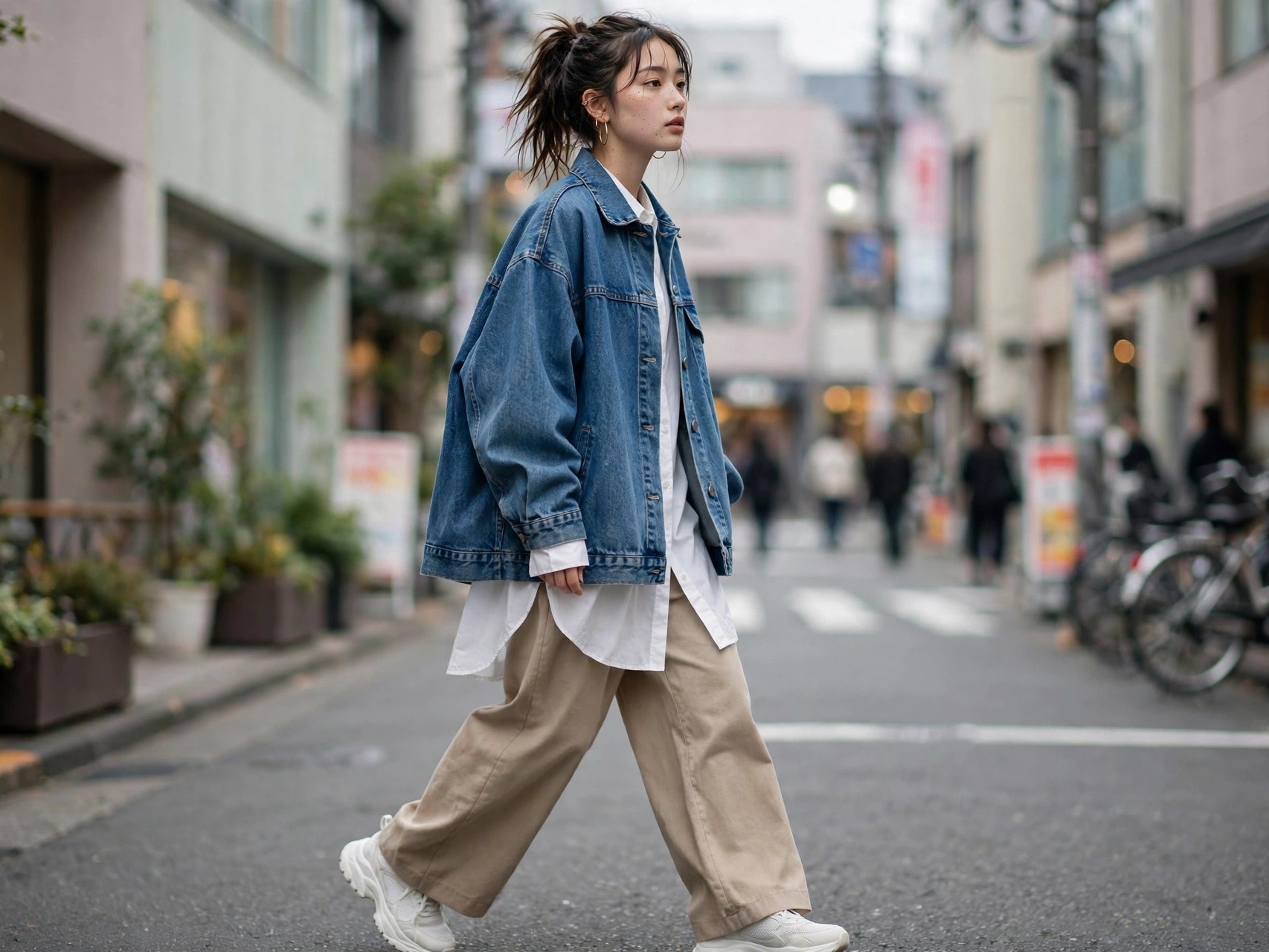
Texture does heavy lifting in these Japanese women’s fashion trends. Mixing matte cotton with shiny nylon, or rough denim with soft knit, keeps monochrome outfits interesting. Tokyo dressers are masters of the all-black or all-beige outfit that still looks rich — because every fabric tells a different story.
Accessories stay functional: crossbody bags, bucket hats, and layered silver jewelry. Nothing is precious, everything is worn hard. That lived-in confidence is what makes Tokyo street style feel authentic rather than costumey.
Another hallmark worth trying is the unexpected color accent. Even in head-to-toe black, Tokyo dressers often add one jolt — a red bag, cobalt sneakers, a patterned scarf. It keeps minimalist outfits from feeling flat and gives maximalist looks a focal point.
To adapt this trend at home, start with one oversized piece — a boxy blazer, wide trousers, or a long coat — and keep the rest of your outfit simple. You’re borrowing the silhouette, not the whole subculture, and that’s exactly how these Japanese women’s fashion trends work best outside Japan.
Minimalist Japanese Fashion: Calm, Clean, and Considered
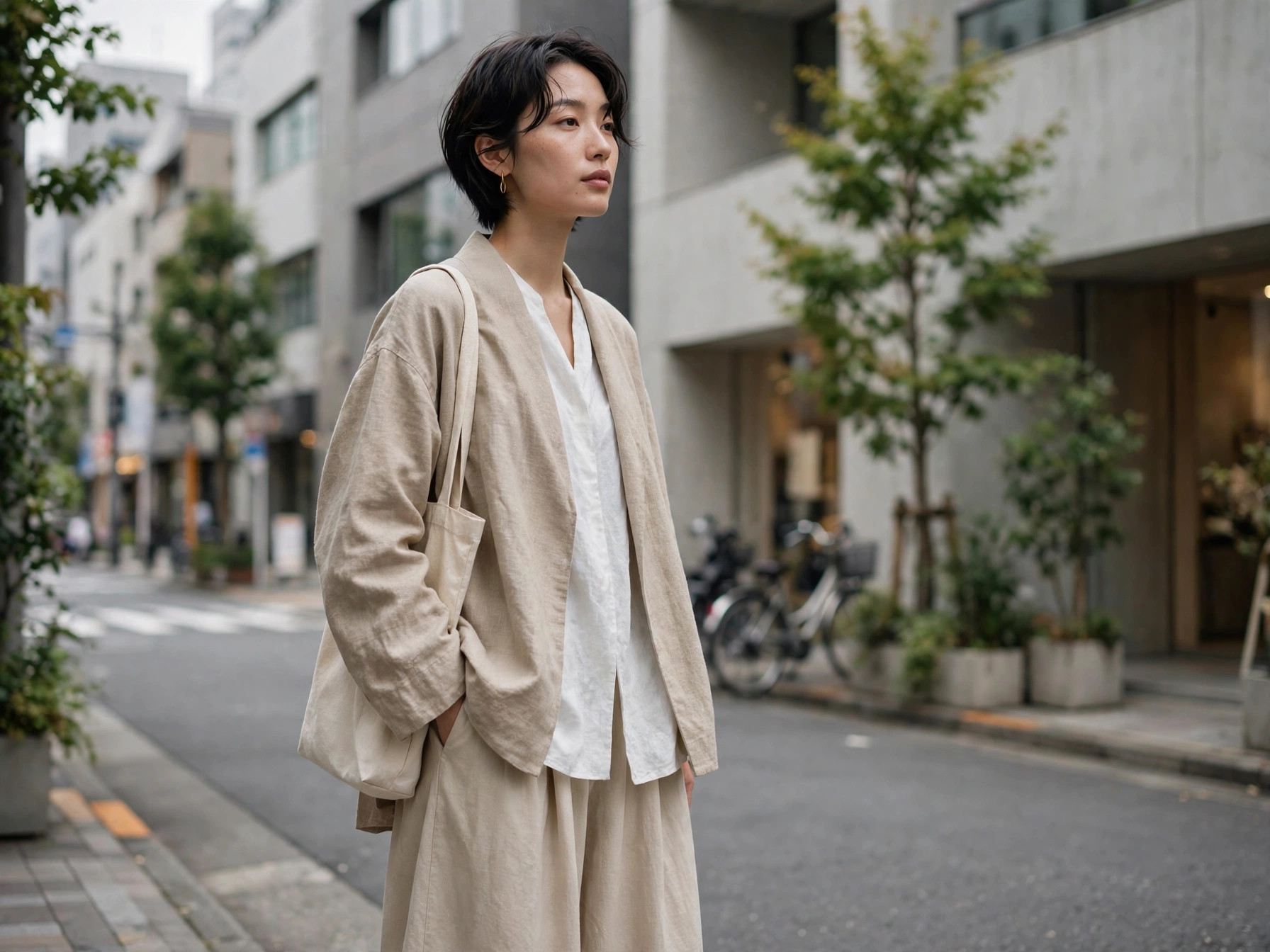
On the other end of the spectrum, minimalist Japanese fashion is about radical simplicity. Think of it as the uniform of someone who has figured out exactly what suits them: impeccable basics in natural fabrics, a muted palette, and not a single unnecessary detail.
Build a minimalist Japanese-inspired wardrobe with these ideas:
- The natural-fabric uniform. Linen shirts, cotton wide trousers, and wool knits in white, beige, grey, and navy. Quality you can feel.
- One-piece dressing. A simple shirt dress or jumpsuit in a beautiful fabric needs nothing else — the Japanese minimalist’s answer to decision fatigue.
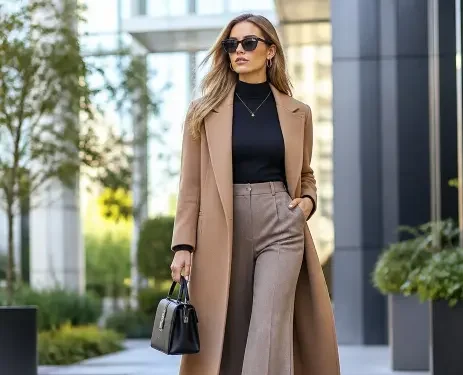
- Quiet tailoring. Unstructured blazers and softly pleated trousers that skim rather than cling. Comfort is the luxury here.
- Thoughtful footwear. Leather loafers, simple sandals, or minimalist sneakers in tonal colors. Shoes should whisper, not shout.
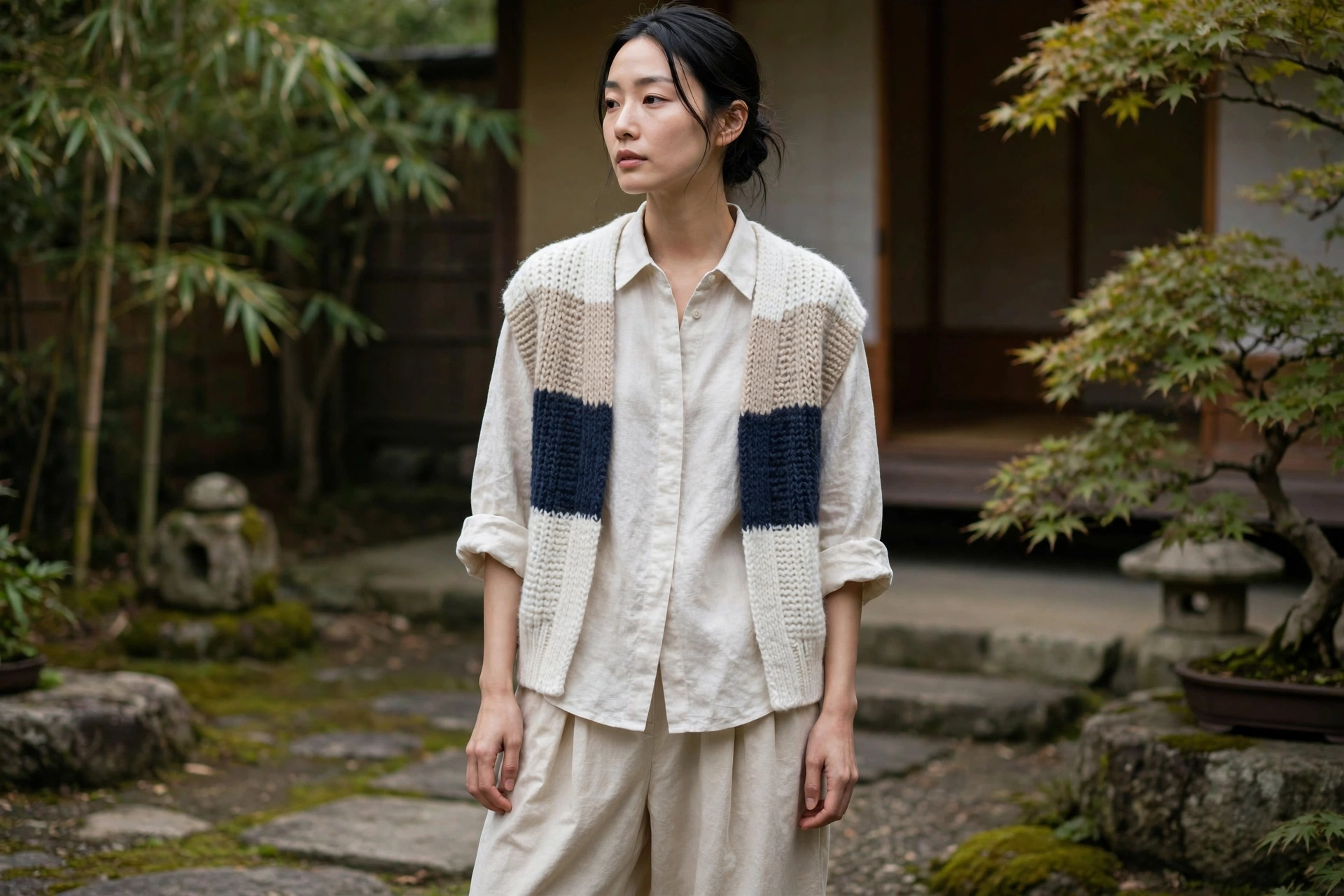
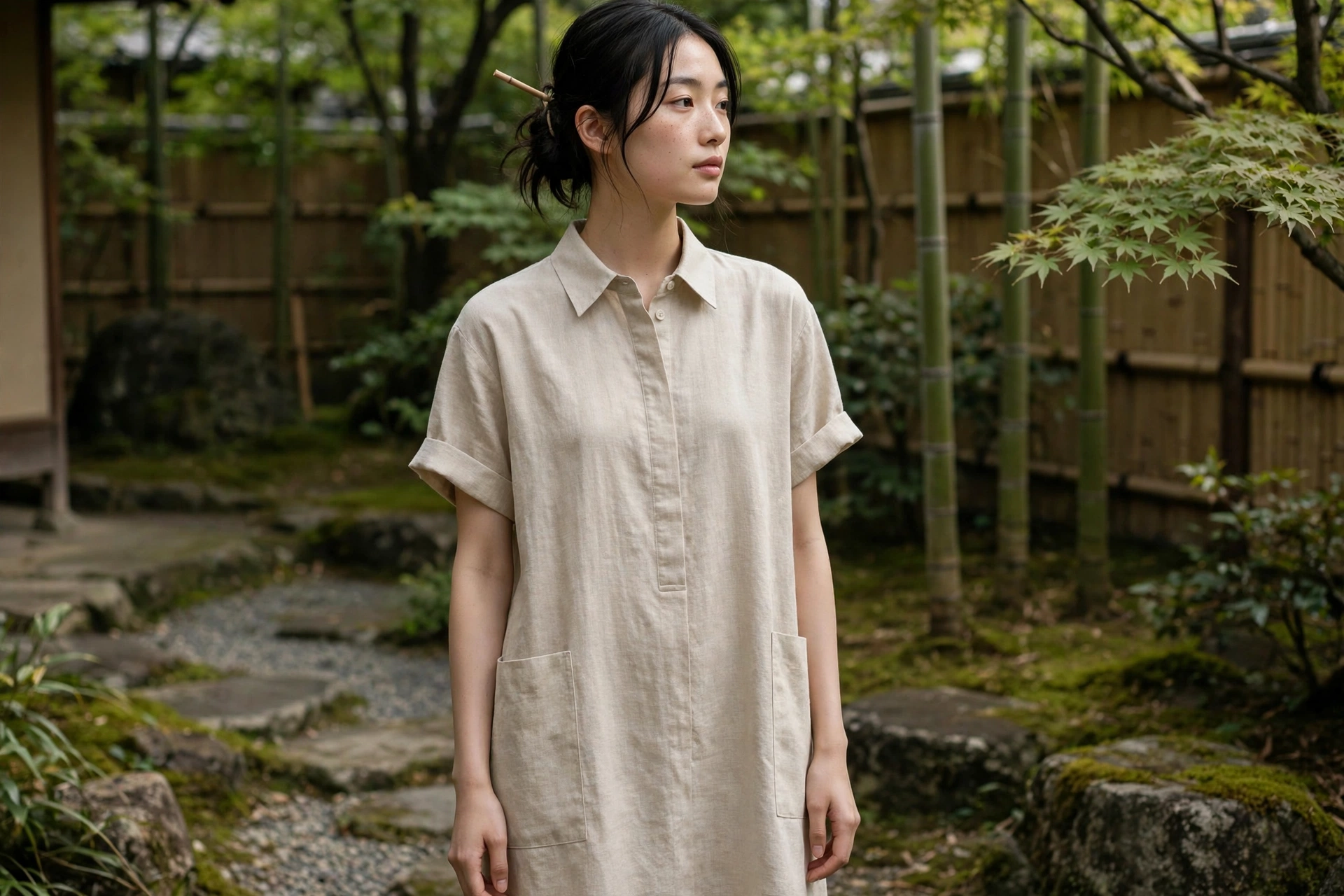
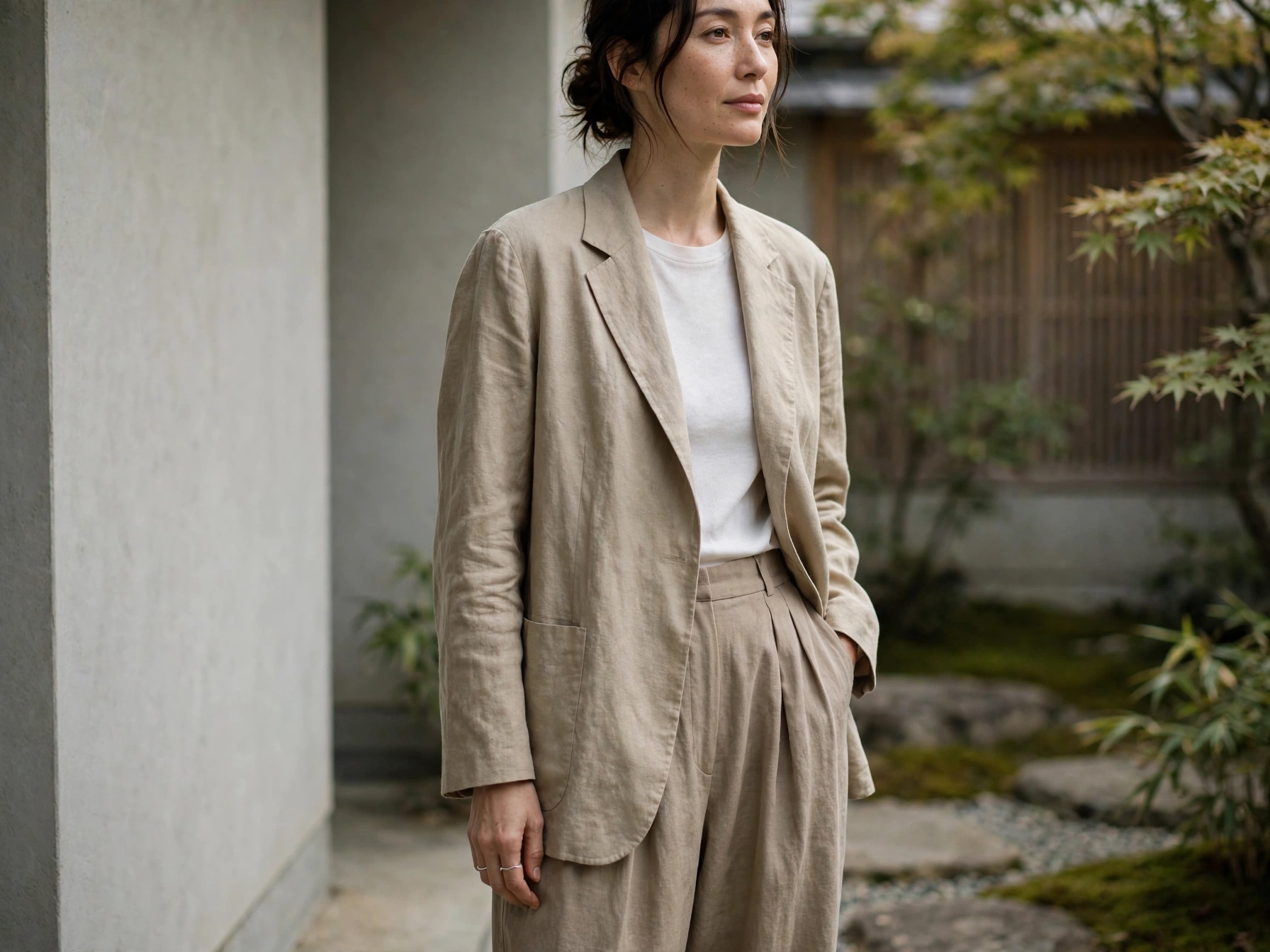
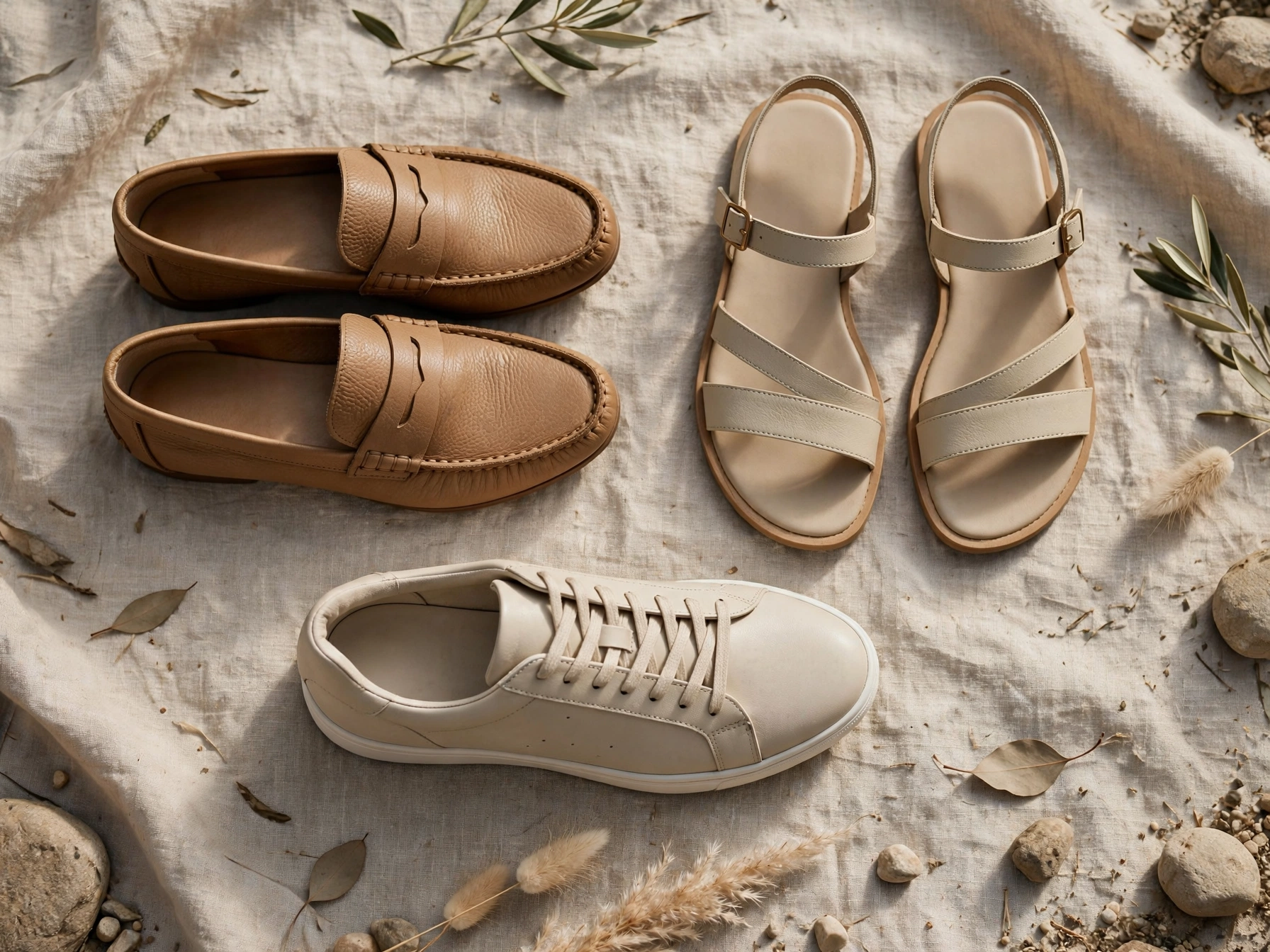
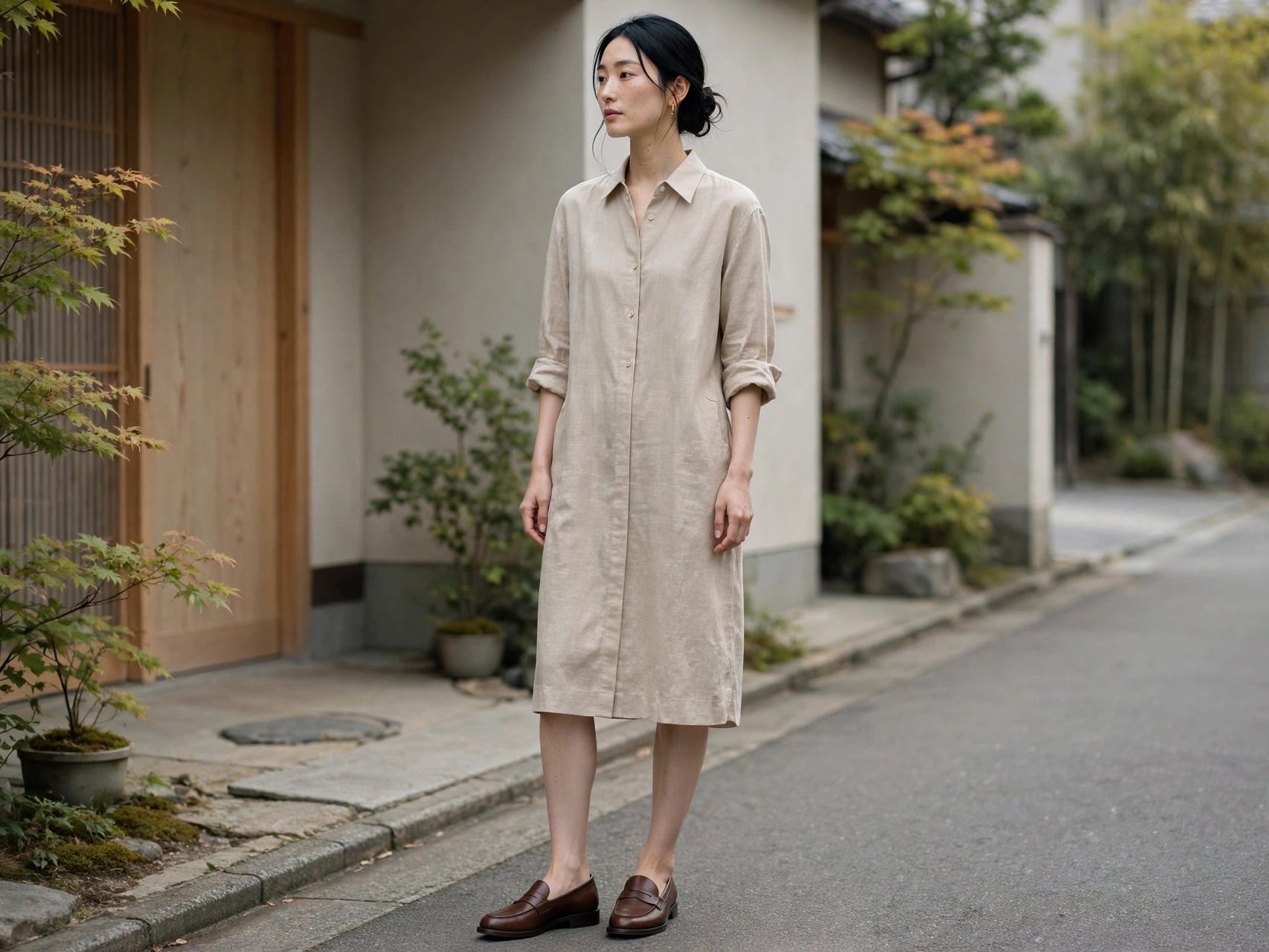
The philosophy behind minimalist Japanese fashion trends is worth adopting even if the aesthetic isn’t fully yours: buy less, choose better, and let fit and fabric do the talking. A wardrobe of twenty perfect pieces beats a closet of two hundred almost-right ones.
Grooming follows the same less-is-more rule. Clean skin, simple hair, barely-there makeup — the look is healthy and rested rather than decorated. It’s fashion as self-respect, and it photographs beautifully because there’s nothing to distract from the person wearing it.
Whether you lean toward Harajuku boldness or Aoyama calm, the through-line of Japanese women’s fashion trends is intention. Every outfit looks considered because it is — and that mindset travels well, whatever your personal style.
For the retro side of Tokyo style, see our 90s Japanese Fashion for Women: Vintage Guide.
Frequently Asked Questions
What are the biggest Japanese fashion trends right now?
Oversized silhouettes, long-over-long layering, techwear details, and minimalist natural-fabric dressing are the defining Japanese women’s fashion trends of the moment.
How do I style oversized Japanese streetwear without looking sloppy?
Balance one oversized piece with fitted or cropped items elsewhere, keep fabrics structured, and make sure sleeves and hems are intentional — pushed up or tailored, never drowning you.
What is minimalist Japanese fashion called?
It’s often associated with “quiet luxury” or the Muji-inspired aesthetic: natural fabrics, neutral colors, and simple, functional shapes with no visible branding.
Can I mix Harajuku style with minimalist pieces?
Absolutely. A minimalist base — black wide trousers and a white tee — with one Harajuku-inspired accessory like statement socks or a bucket hat is a great entry point.
Where do Japanese women shop for these trends?
Shimokitazawa for vintage, Harajuku for streetwear, and department stores or select shops in Ginza and Aoyama for minimalist and designer pieces.
Final Thoughts
Japanese women’s fashion trends offer two gifts: the courage to play with proportion on the streets of Harajuku, and the discipline to perfect simplicity in the minimalist tradition. Try one oversized silhouette or one beautifully plain outfit this week — start small with a wide-leg trouser, a perfectly cut shirt, or one fearless accessory. Either way, you’ll be dressing with more intention. Which side of Japanese style speaks to you? For more on the scene, see Wikipedia’s overview of Japanese street fashion.