Best Women’s Blazers for Work

A great blazer is the hardest-working piece in any professional wardrobe. The best women’s blazers for work sharpen a simple outfit in seconds, carry you from desk to dinner, and never go out of style. But not all blazers are equal — cut, fabric, and fit make the difference between looking polished and looking like you’re wearing someone else’s jacket.
Whether you’re building your first work wardrobe or upgrading old favorites, this guide covers the blazer styles worth your money and how to wear them. From classic single-breasted cuts to modern oversized silhouettes, here’s everything you need to find your perfect work blazer.

Best Women’s Blazers for Work: Styles Worth Buying
Start with the silhouettes that earn their place in a work wardrobe. These are the proven winners — versatile, flattering, and appropriate for nearly any office:
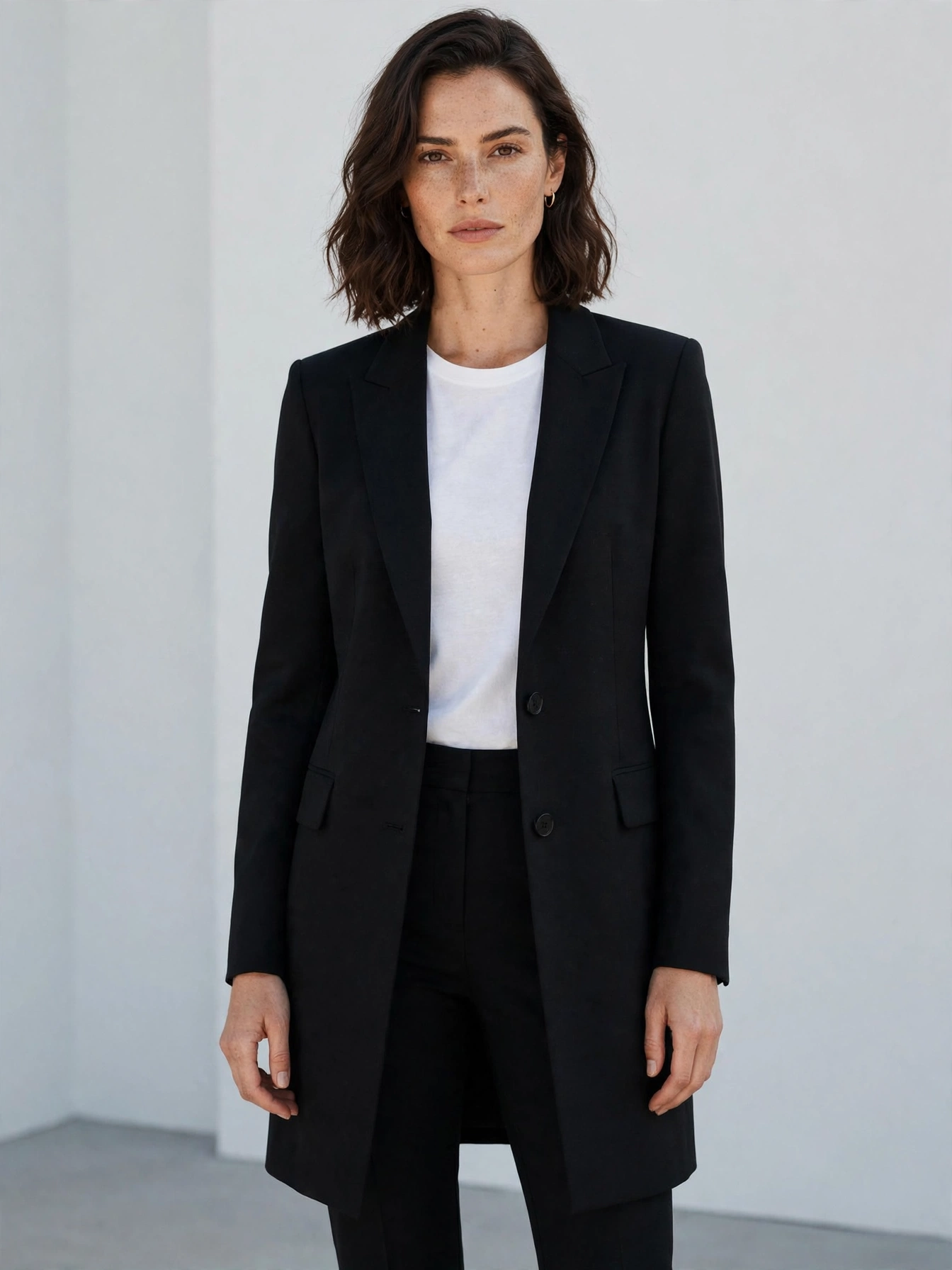
- The classic single-breasted blazer. One or two buttons, notched lapels, a nipped waist. In black, navy, or charcoal, this is the most versatile of all women’s blazers for work — it pairs with everything from trousers to dresses.
- The double-breasted blazer. Broader lapels and a structured front give this style extra authority. It shines in presentations and client meetings; keep the rest of the outfit simple to let it lead.
- The unstructured soft blazer. No padding, minimal lining, relaxed drape. Perfect for business-casual offices or long days when you want polish without stiffness. Knit and jersey versions travel beautifully.
- The cropped blazer. Ending at or above the waist, cropped blazers balance high-waisted trousers and skirts perfectly. A modern cut that still reads professional in the right fabric.
- The longline blazer. Hitting mid-thigh or below, this silhouette elongates the body and looks sharp over slim trousers or a sheath dress. Choose one with a clean, minimal design.
- The tweed or textured blazer. Bouclé, herringbone, or subtle checks add richness to your rotation. A textured blazer in neutral tones elevates even a plain tee-and-trousers base.



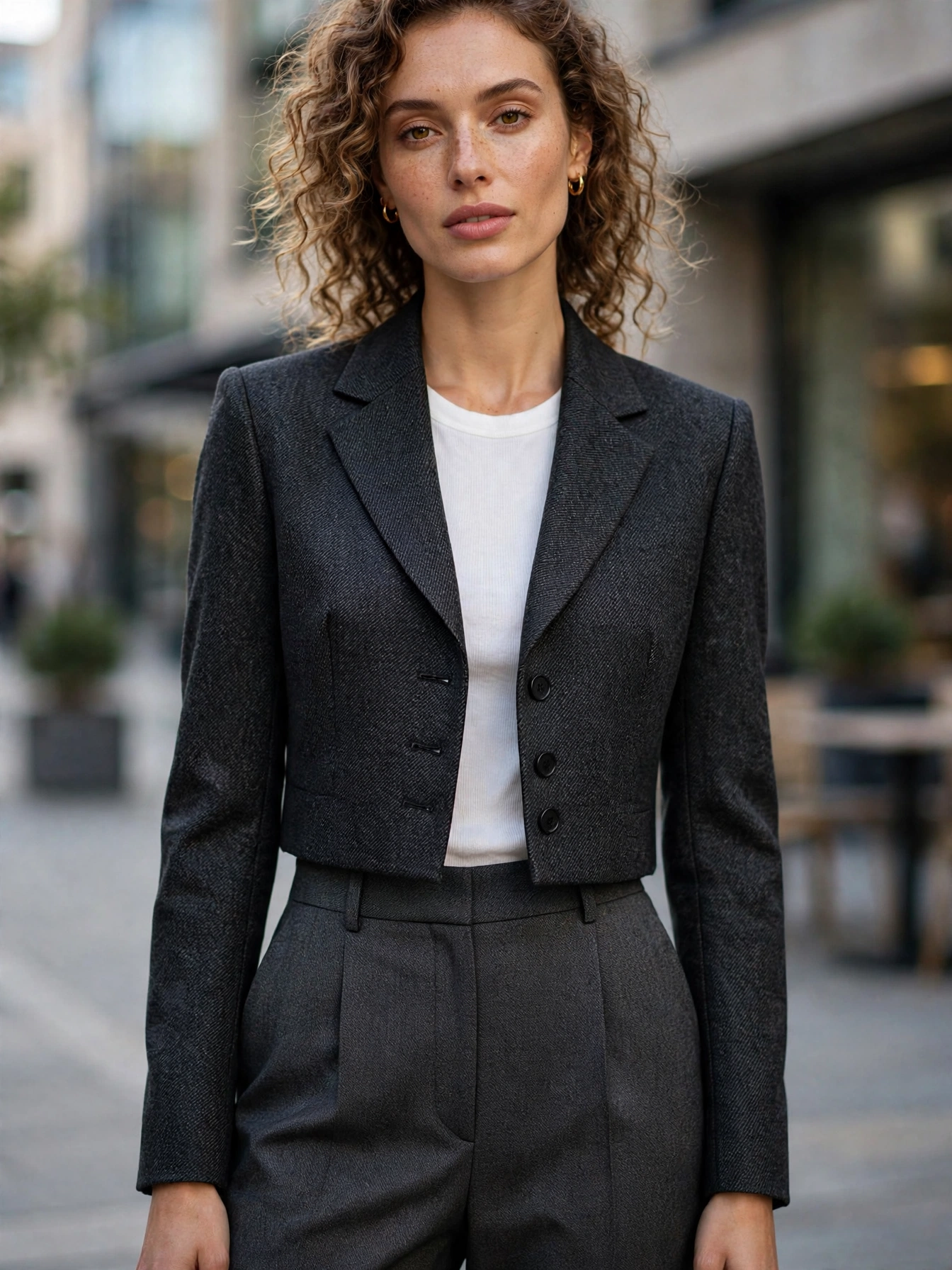

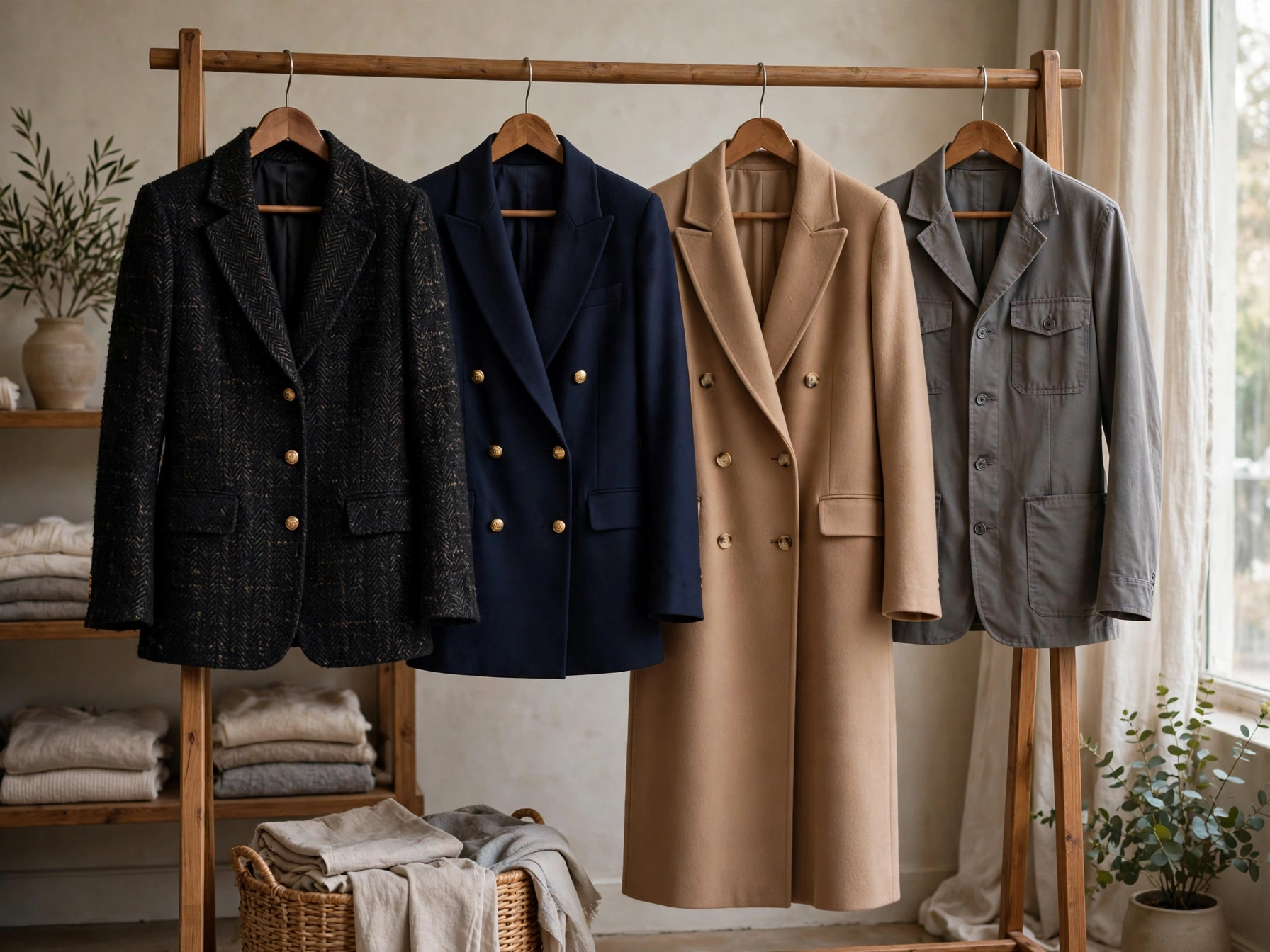
Fabric is where work blazers prove their worth. Wool blends and wool crepe hold structure through long days and resist wrinkling. For warmer months, look for cotton-linen blends or tropical-weight wool that breathe. Ponte and scuba knits offer stretch and comfort, though they read slightly more casual — ideal for business-casual dress codes. Whatever you choose, check the lining: a quality blazer is at least partially lined, which helps it drape cleanly and last longer.
Fit is non-negotiable. The shoulder seam should sit right at your shoulder bone — never drooping past it. You should be able to button it without pulling, and the sleeves should end at your wrist bone, showing about a centimeter of shirt cuff. Sleeves and hems are easy, inexpensive alterations; shoulders are not. Buy for the shoulders and tailor the rest.
How to Style Your Work Blazer Like a Pro
Owning great blazers is only half the equation. Here’s how to style them so every outfit looks intentional:
- Match the blazer to the dress code. Structured wool blazers for formal offices; soft, unstructured styles for creative or casual workplaces. When in doubt, go more polished.
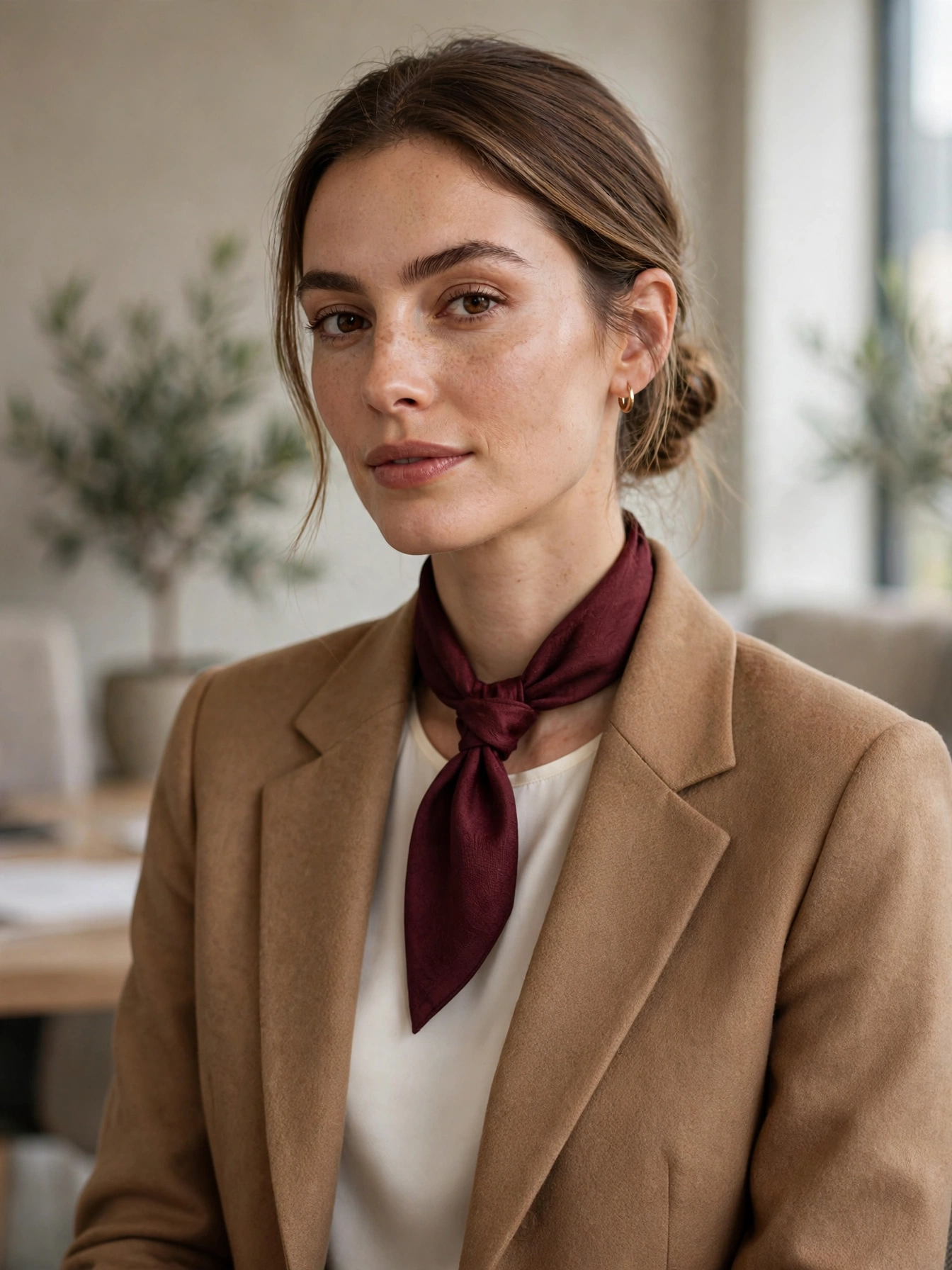
- Build around neutrals. Black, navy, gray, camel, and ivory blazers pair with nearly everything you own. Add one statement color — burgundy, forest green — once the neutrals are covered.
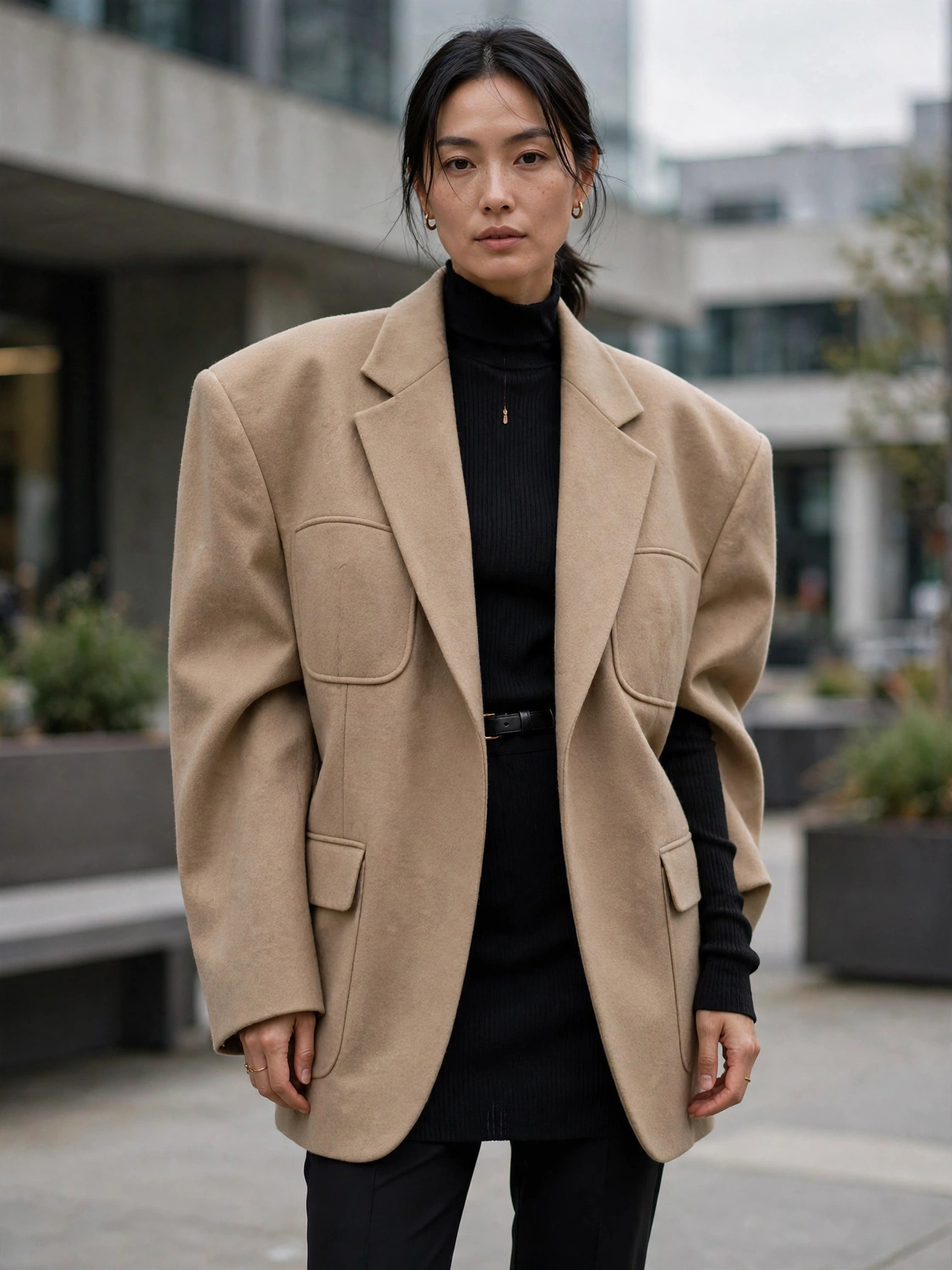
- Play with proportions. An oversized blazer looks best over slim trousers or a fitted dress; a cropped blazer balances wide-leg pants. Contrast keeps the silhouette interesting.
- Roll the sleeves. Pushing or rolling blazer sleeves to the forearm instantly makes the look feel modern and approachable — great for casual Fridays or after-work events.
- Use it as outerwear. In mild weather, your blazer can replace a coat over office outfits. A wool blazer over a sweater and trousers is a complete cold-weather look.




Don’t overlook care — it directly affects how long your blazers look new. Hang them on wide, shaped hangers (never wire), brush off lint after wearing, and dry-clean sparingly; over-cleaning wears out the fabric and structure. Let a blazer rest a day or two between wears so the fibers recover their shape.
Finally, think in outfits, not items. When you buy a blazer, mentally confirm it works with at least three things you already own. The best women’s blazers for work aren’t the trendiest — they’re the ones you reach for week after week, year after year, because they make getting dressed feel easy. Complete the look with our Elegant Office Outfit Ideas for Women.
FAQs About Women’s Blazers for Work
What color blazer is best for work?
Black, navy, and charcoal are the most versatile. Camel and ivory are excellent additions, and one rich accent color like burgundy keeps your rotation interesting.
Should a work blazer be tight or loose?
Neither — it should skim your body. You should be able able to button it comfortably and slide a flat hand inside. Structured shoulders with a slightly shaped waist flatter most figures.
Can I wear an oversized blazer to the office?
Yes, in most modern workplaces. Keep it in a refined fabric and neutral color, and balance it with slim, tailored pieces underneath so the overall look stays intentional.
How many blazers do I need for work?
Three is a solid start: one black, one navy or charcoal, and one in a lighter neutral or subtle texture. That covers nearly every work outfit combination.
What’s the difference between a blazer and a suit jacket?
A suit jacket is cut to match specific trousers; a blazer is designed to be worn as a separate. Blazers often have more relaxed details — patch pockets, metal buttons — and pair with a wider range of pieces.
Conclusion
The right blazer does more than complete an outfit — it changes how you show up. Invest in classic cuts, insist on good fit, and style them with confidence. Start with one perfect neutral blazer tailored to your body, and you’ll wonder how you ever got dressed without it.