Women’s Formal Fashion Guide
A formal invitation lands in your inbox — gala, black-tie wedding, charity dinner — and the first question is always the same: what on earth do I wear? This women’s formal fashion guide takes the guesswork out of dressing up, decoding every dress code and showing you the timeless pieces that work for all of them.
Here’s the good news: formal dressing follows a few simple principles. Once you understand the dress codes and own two or three anchor pieces, you’ll never panic over an invitation again. Elegant, appropriate, and unmistakably you — that’s the goal, and it’s easier to reach than you think.
Below, you’ll find the essential pieces every woman should know, plus practical styling advice for looking polished at any formal occasion — from grand ballrooms to intimate wedding receptions.
Women’s Formal Fashion Essentials for Every Closet
You don’t need a closet full of gowns to be ready for anything. These four cornerstones of women’s formal fashion cover nearly every dress code you’ll ever encounter — invest in quality versions and they’ll serve you for years.
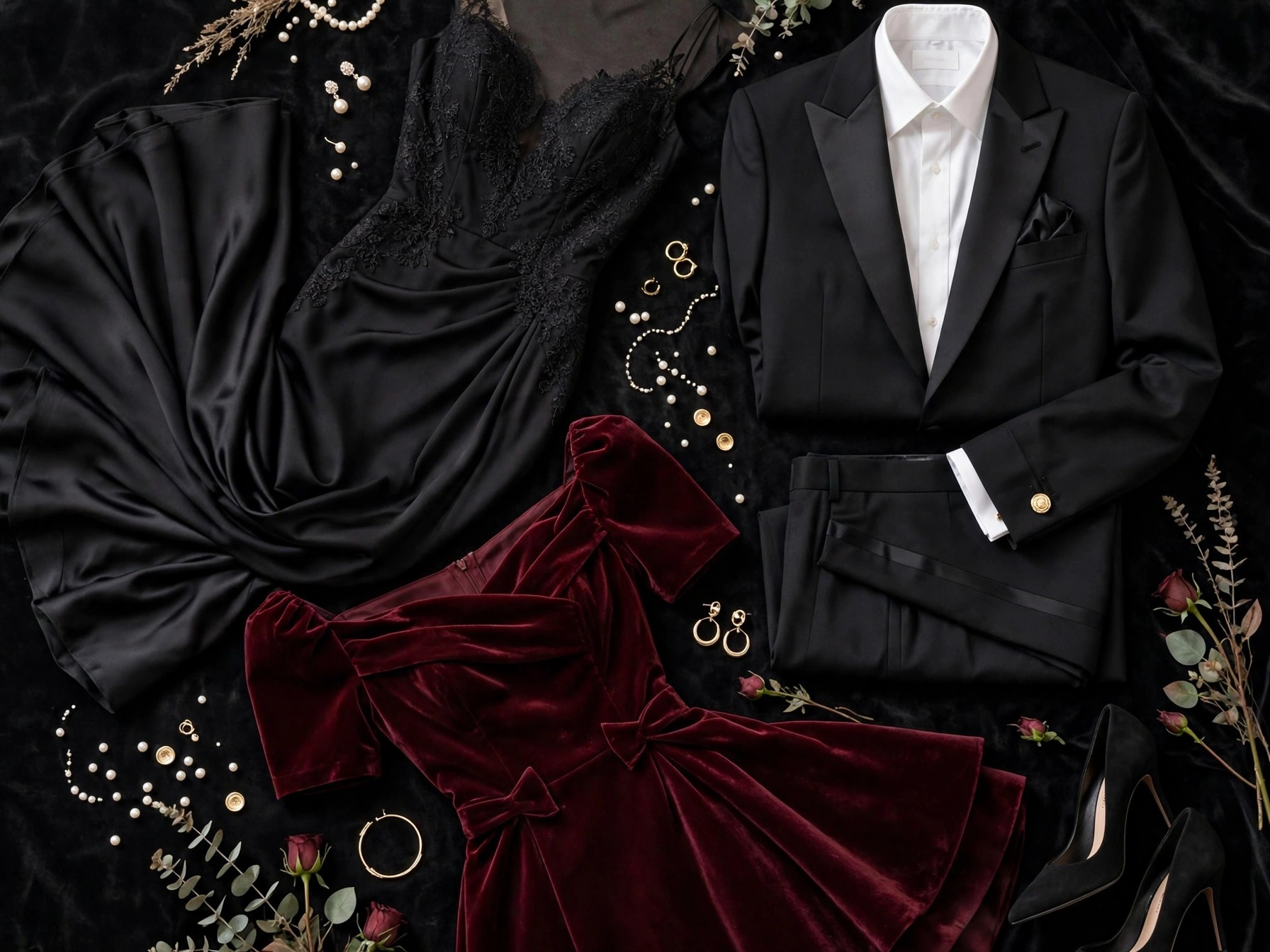
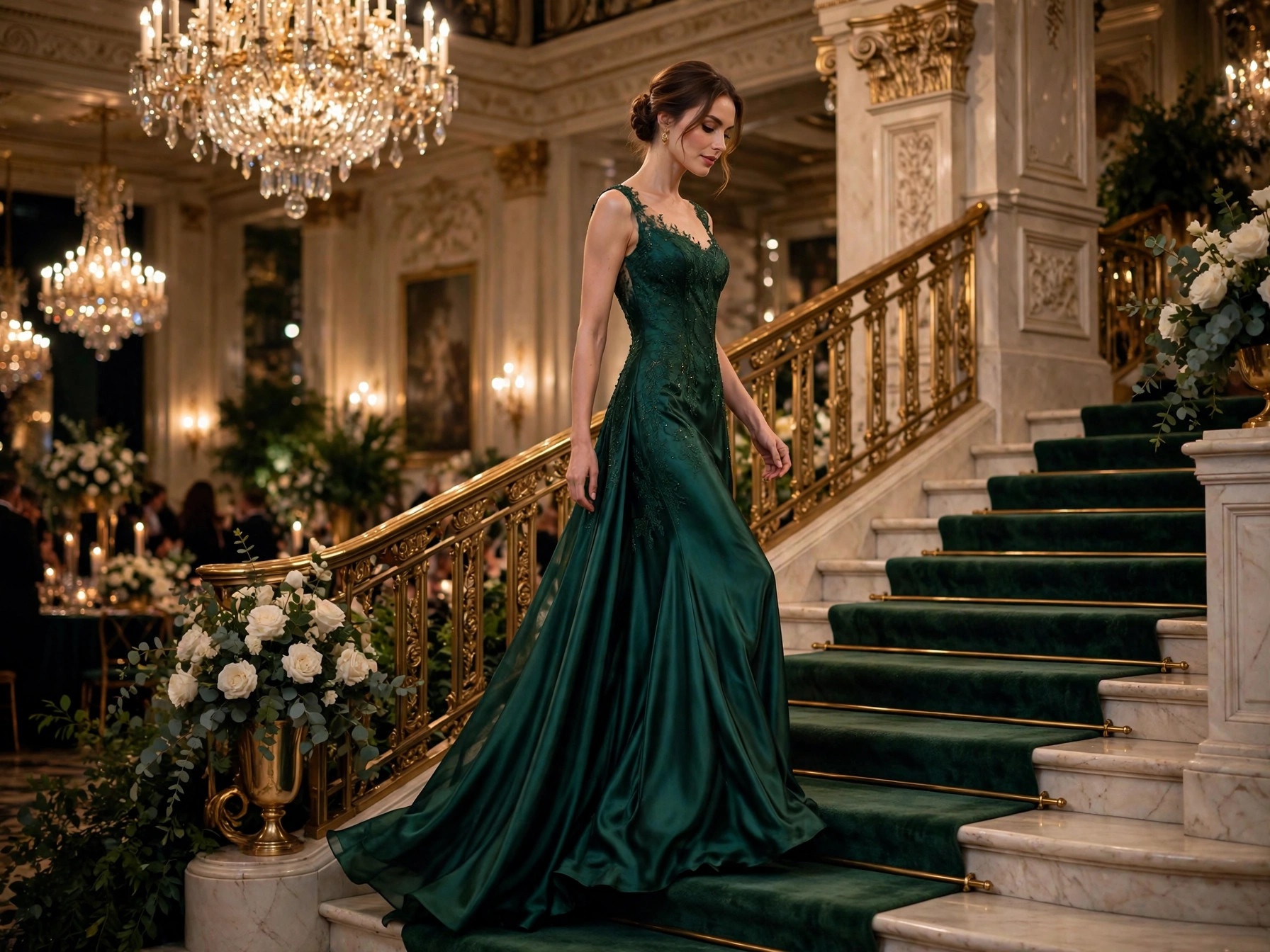
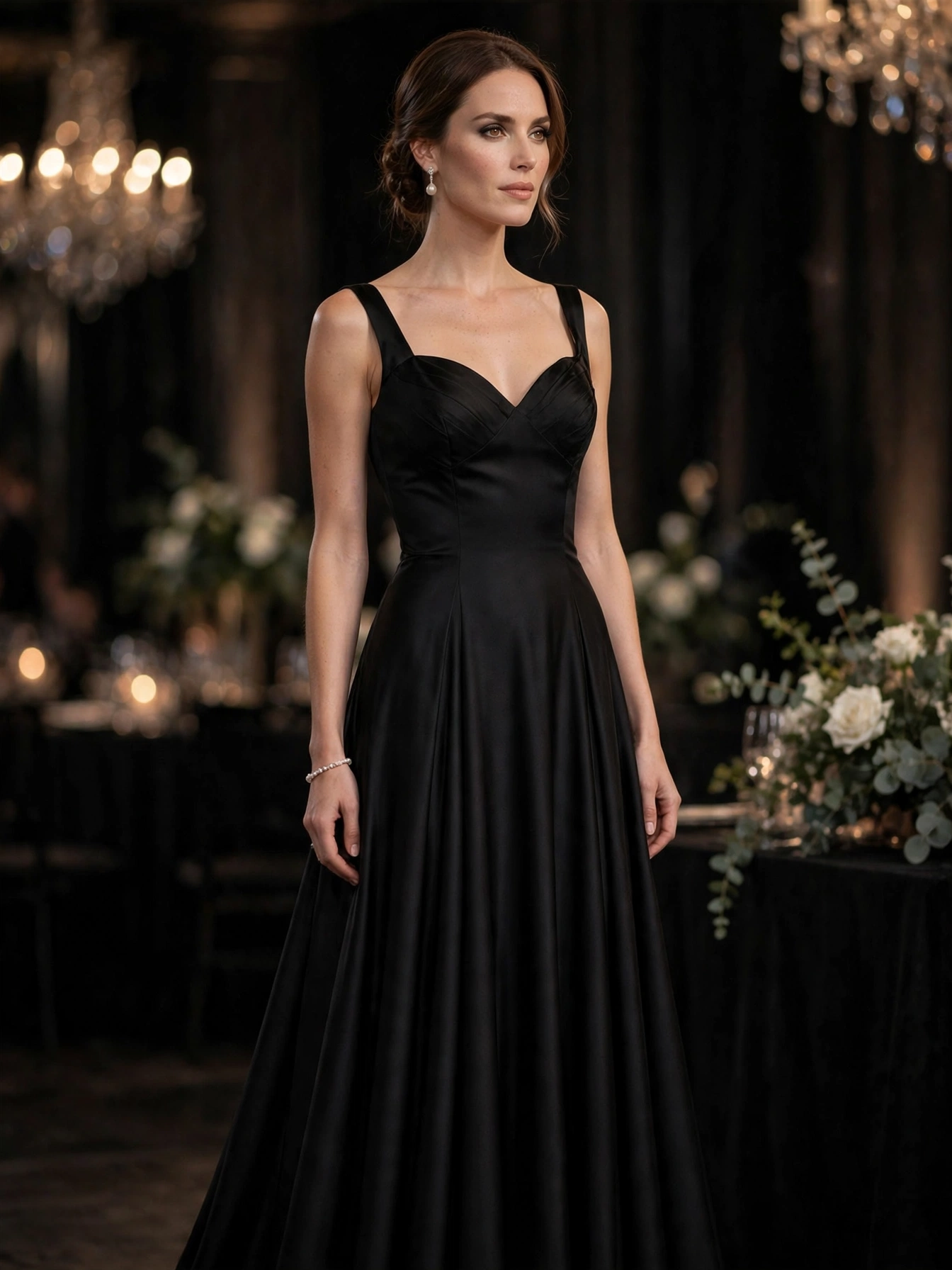
The evening gown. The queen of formal wear: floor-length, elegant, and reserved for the dressiest occasions — galas, black-tie weddings, and charity balls. Choose a classic silhouette in black, navy, or jewel tones rather than chasing trends; a simple, well-fitted gown outshines a fussy trendy one every time. One great gown is enough — rewear it proudly with different accessories.
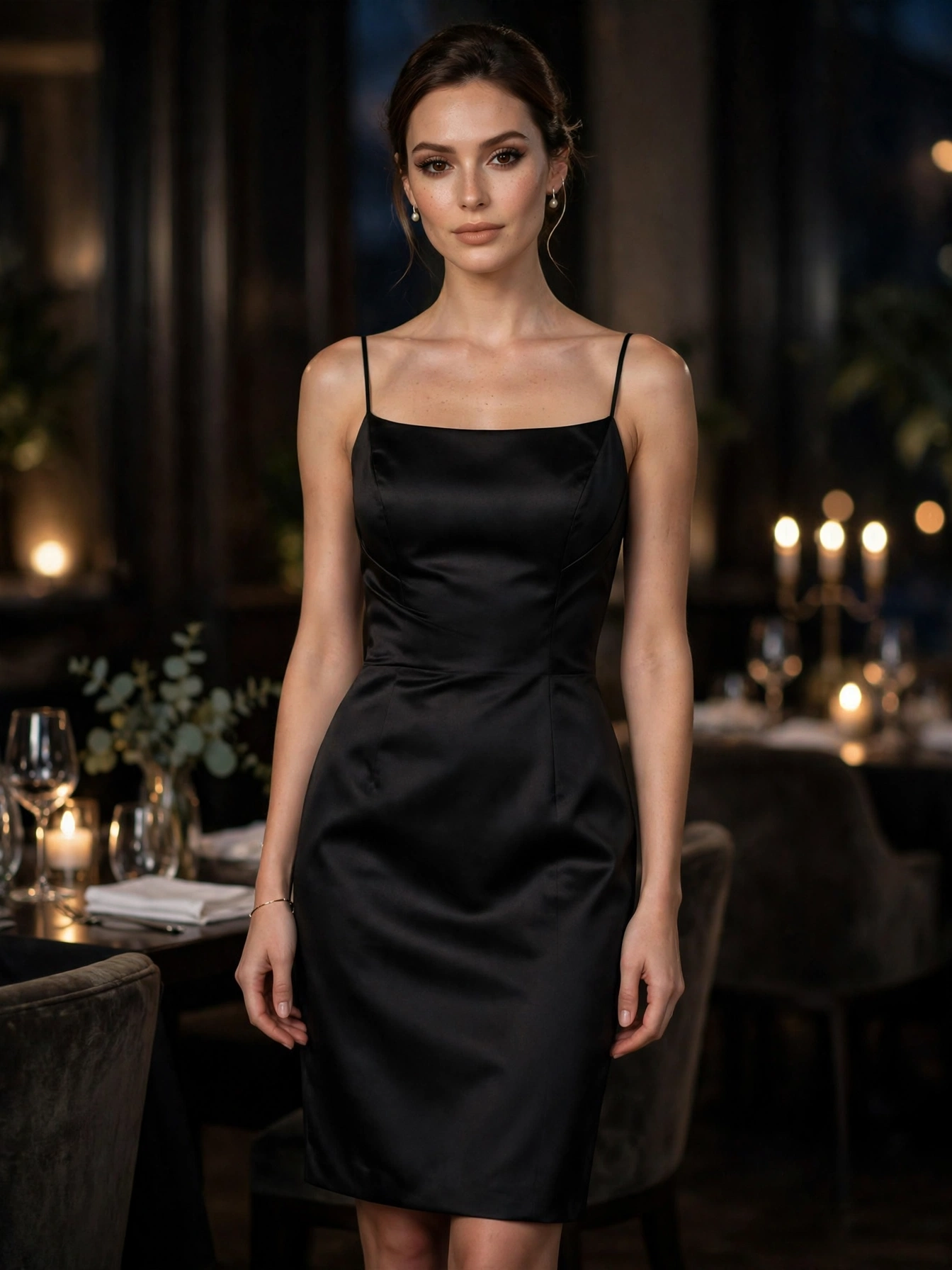
The cocktail dress. Your hardest-working formal piece. Knee-length to midi, polished but not full-length, it suits cocktail parties, formal dinners, and semi-formal weddings. A little black dress in a luxe fabric is the classic choice, but don’t overlook deep emerald, burgundy, or champagne. This is the dress you’ll reach for most.
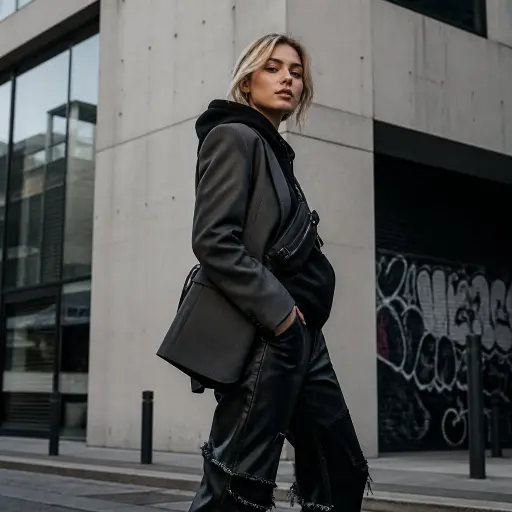
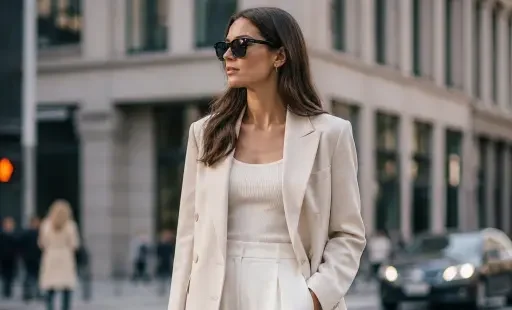
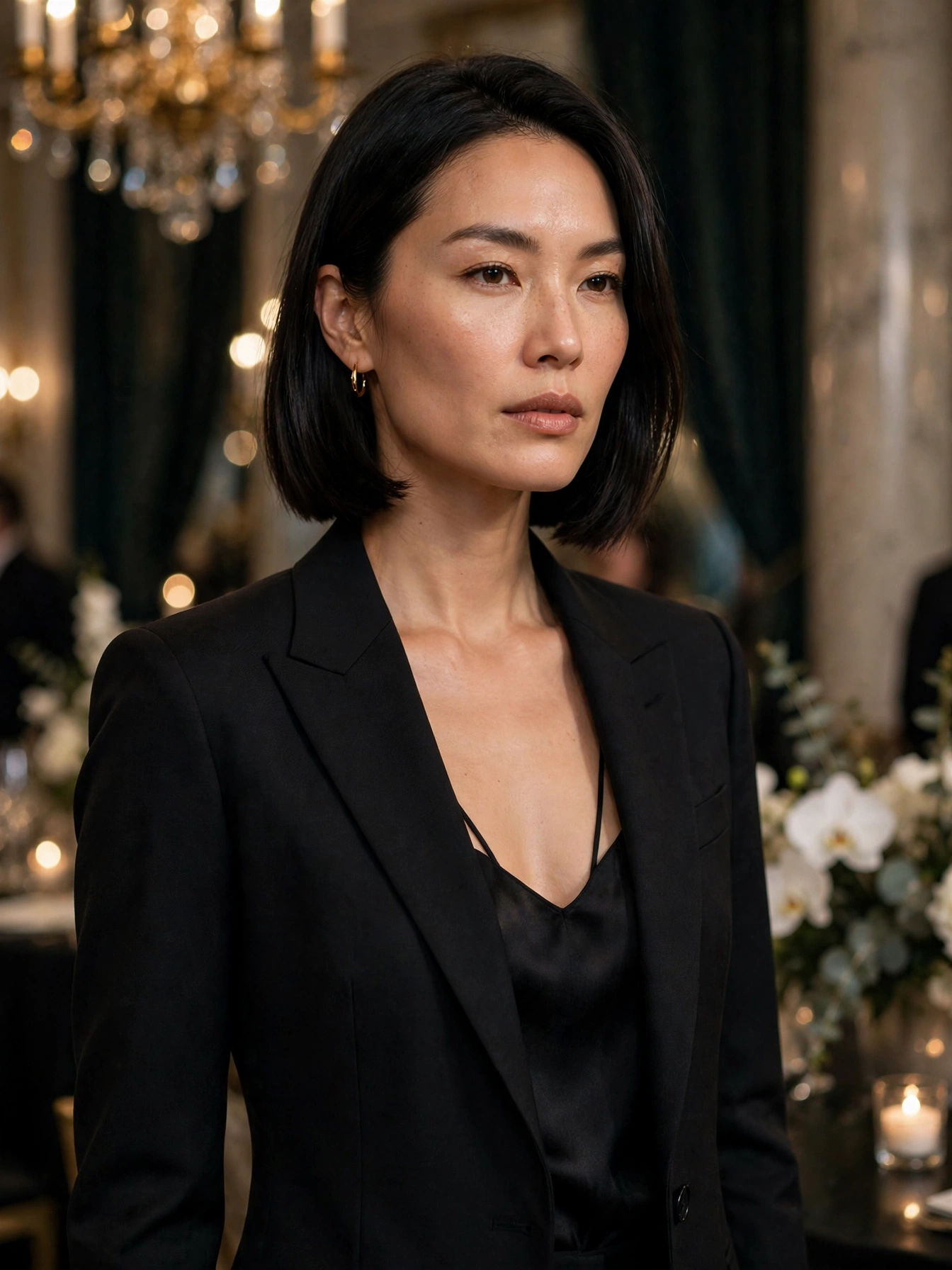
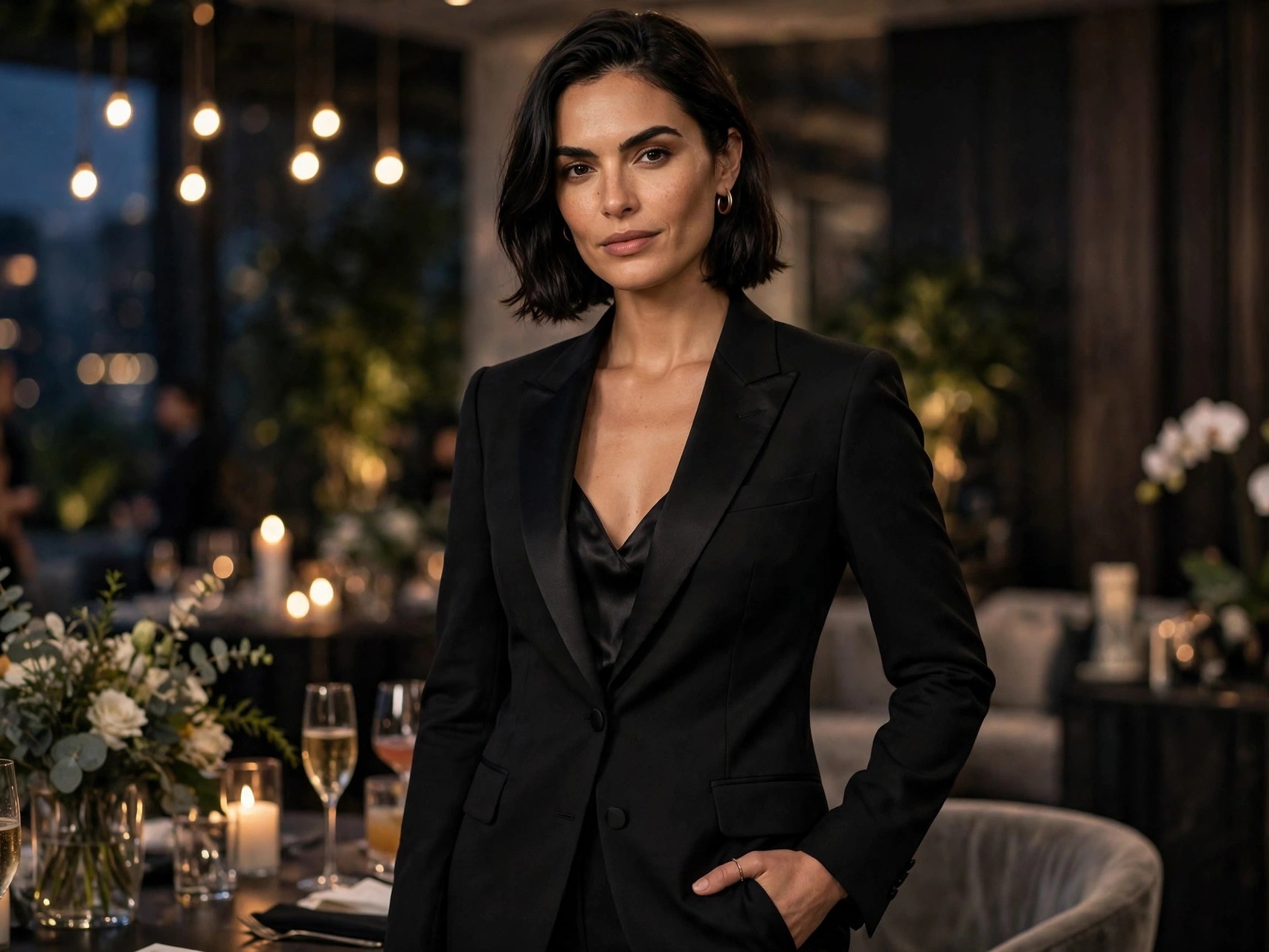
The tailored suit. The modern power move in women’s formal fashion: a sharply tailored suit or tuxedo-style ensemble. It’s striking, confident, and completely appropriate for black-tie-optional events. Go classic black with a silk camisole underneath, or make a statement in ivory or deep red. Tailoring is everything — budget for alterations.
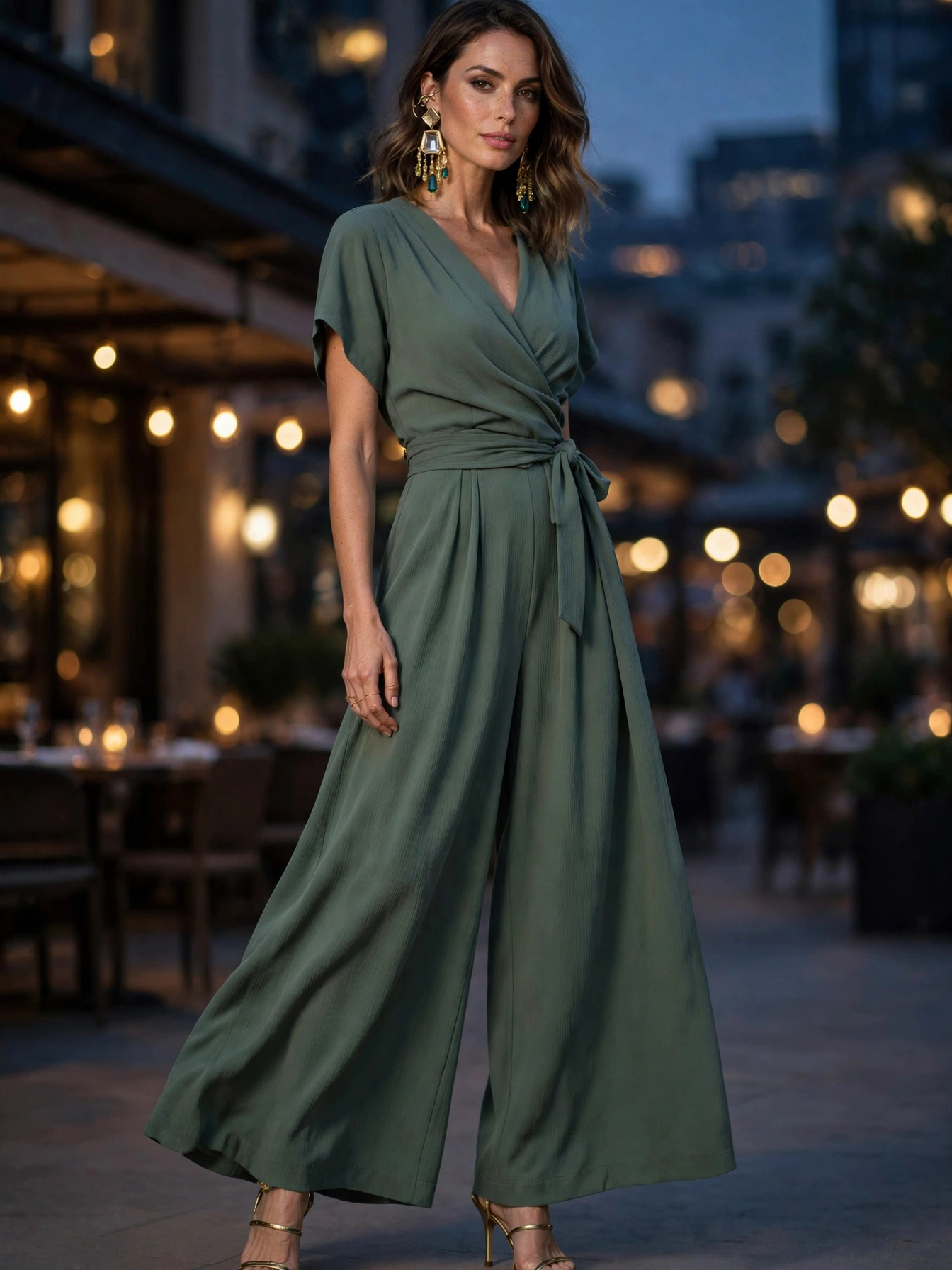
The elegant jumpsuit. A one-piece wonder for women who prefer pants: a wide-leg jumpsuit in crepe or satin reads instantly formal with the right styling. It’s comfortable for long evenings, easy to dance in, and refreshingly different in a sea of dresses. Add heeled sandals and statement earrings and you’re done.
How to Style Formal Outfits for Any Occasion
Owning the right pieces is half the battle — styling them correctly is the other half. These guidelines keep you appropriate and radiant no matter what the invitation says.
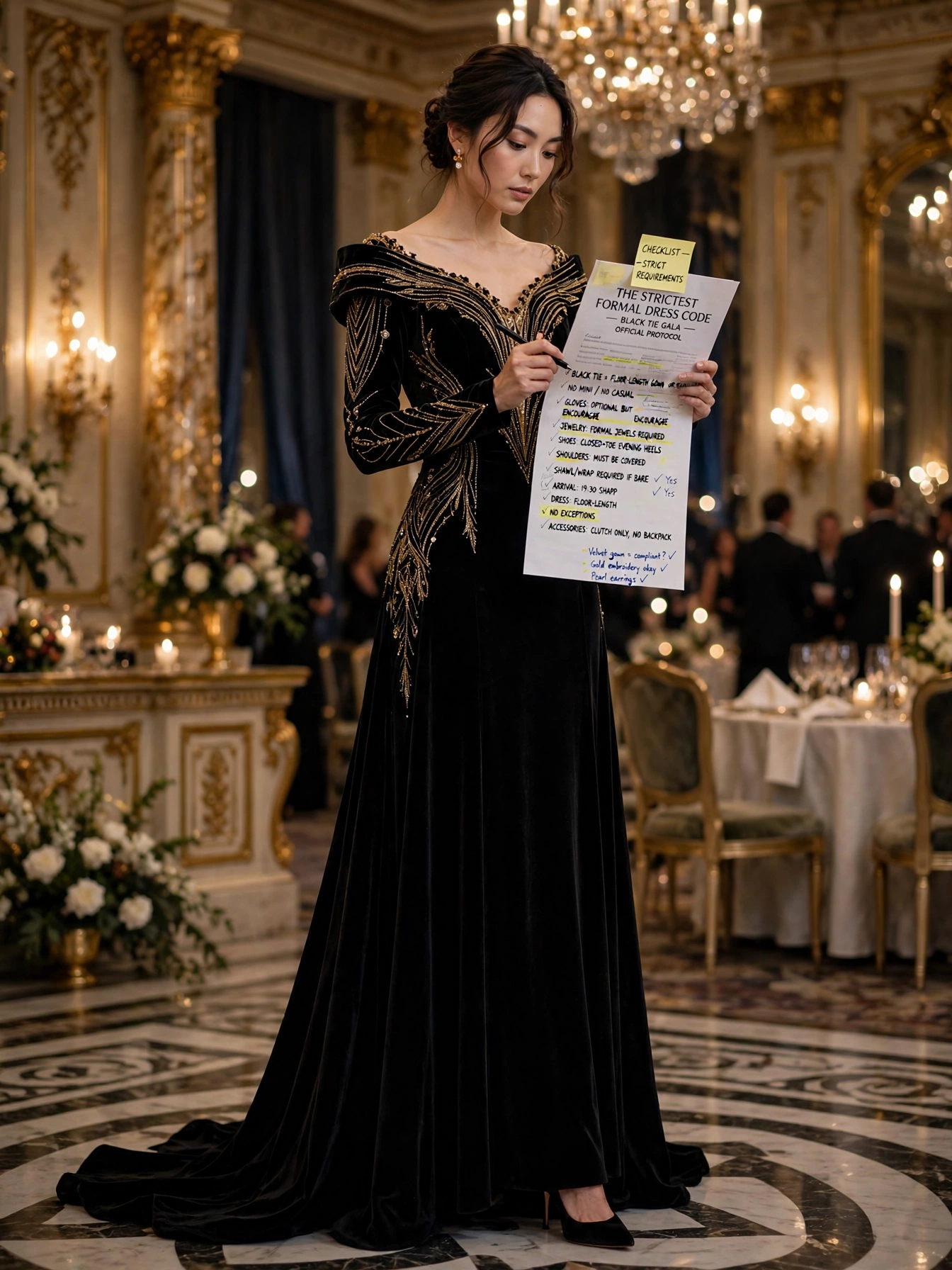
Decode the dress code first. Black tie means floor-length gowns or formal suits, full stop. “Formal” or “black-tie optional” allows elegant cocktail dresses and dressy separates. “Cocktail attire” calls for knee-to-midi dresses or polished jumpsuits. “Dressy casual” is the most relaxed — a nice midi dress or elevated separates. When in doubt, overdress slightly; it’s always better than the alternative.
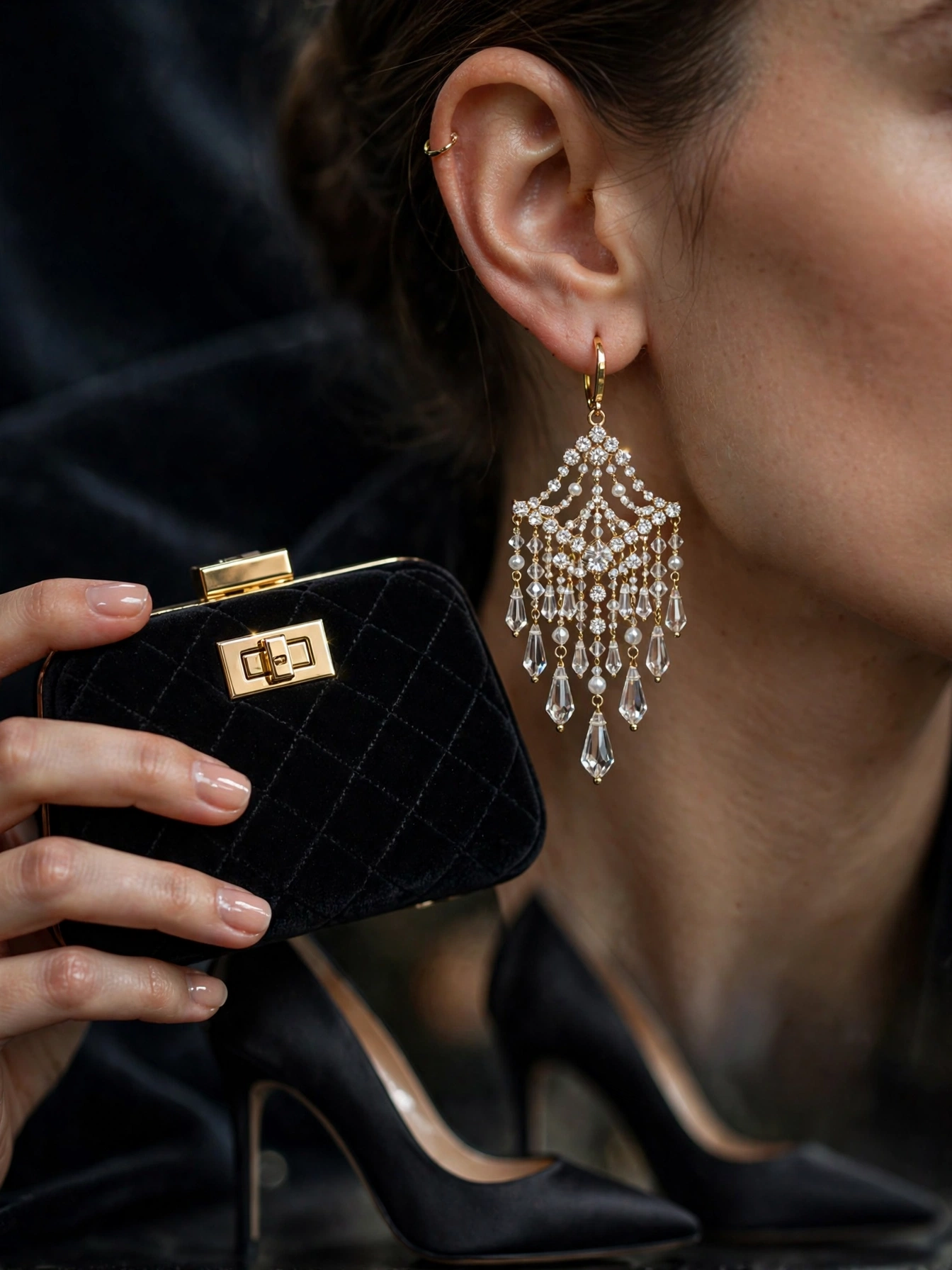
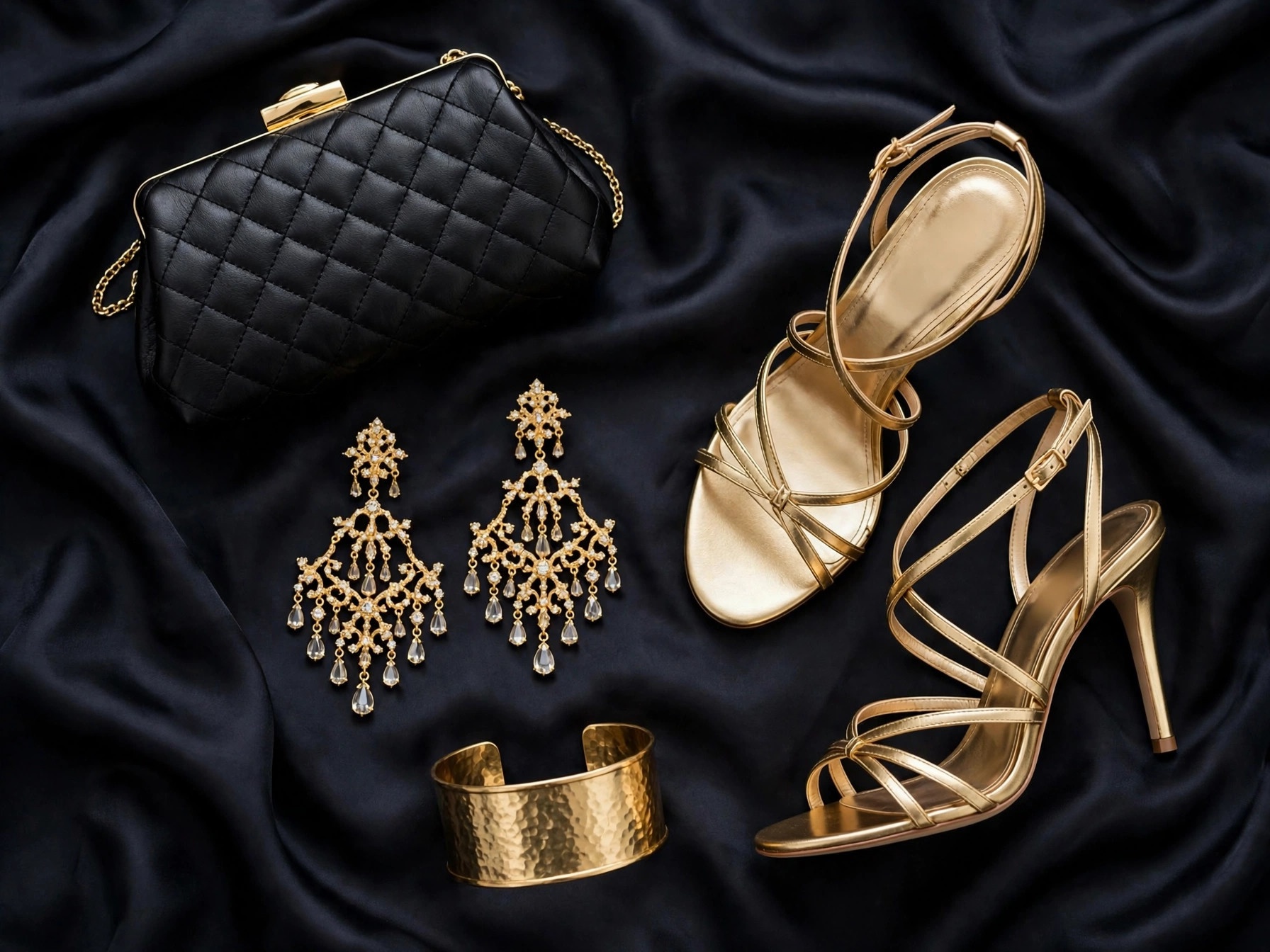
Let accessories do the talking. Formal looks live or die on the details: a small clutch (never a bulky day bag), refined heels or elegant flats, and jewelry that complements rather than competes. One statement piece — chandelier earrings, a cuff bracelet — plus quiet everything else is the formula that never fails.
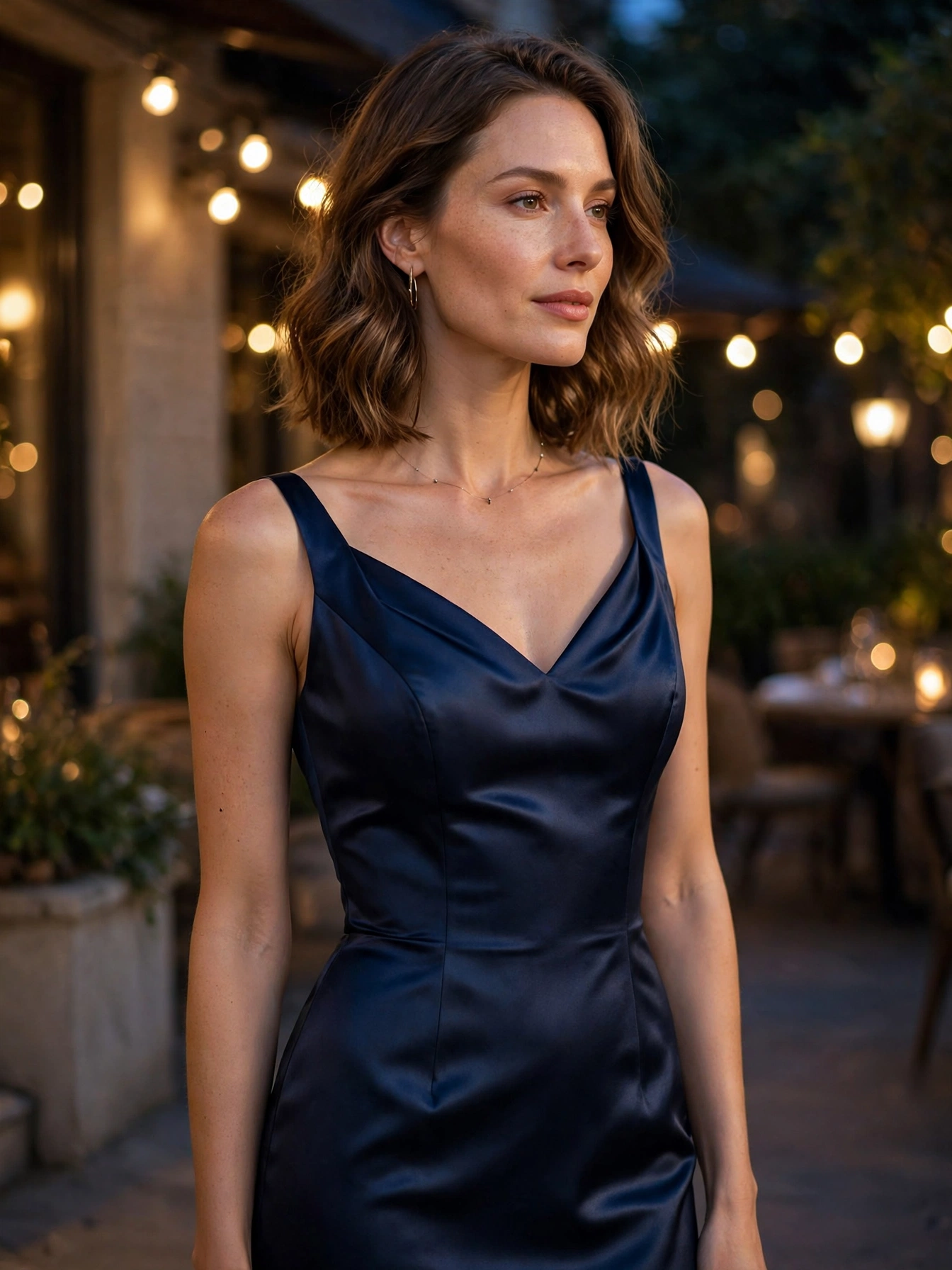
Prioritize fit and fabric. In formal wear, fit matters more than labels. A modestly priced dress tailored to your body will always look better than an expensive one that pulls or gaps. And choose luxe fabrics — satin, crepe, silk blends, velvet — which photograph beautifully and hold their shape all evening.
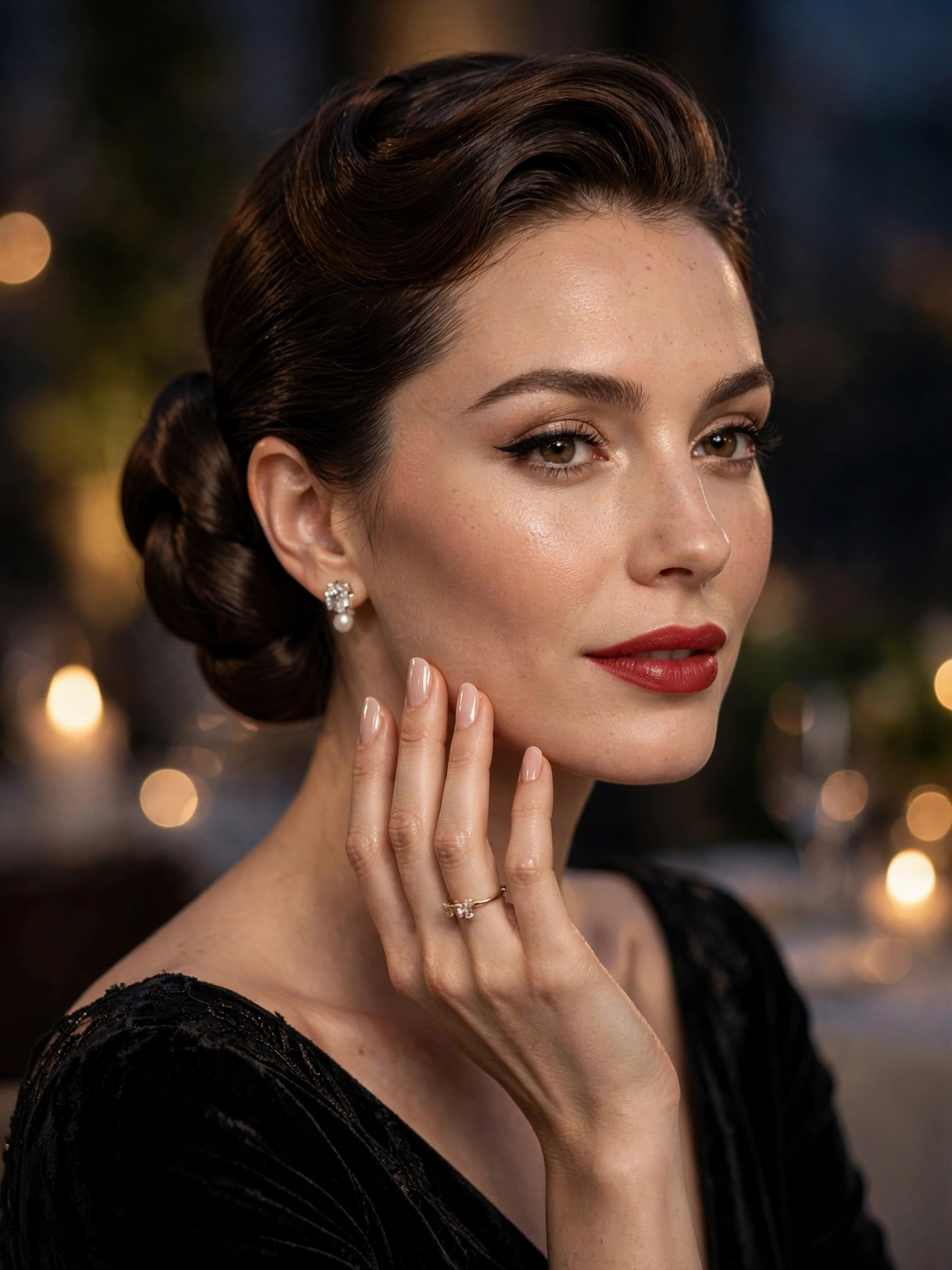
Finish with polish. The difference between “nice outfit” and “stunning” is grooming: neat hair (an updo instantly elevates any formal look), a classic makeup look, and manicured nails. These cost little but signal that you understood the assignment. Keep a mini emergency kit — blotting papers, a sewing kit, band-aids for new heels — in your clutch.
Build your formal wardrobe like a capsule: one gown, one cocktail dress, one suit or jumpsuit, in a cohesive palette. With different accessories, those three or four pieces cover every formal event on your calendar for years. That’s the real secret of women’s formal fashion — fewer, better pieces, worn with total confidence. Need polished workwear too? Browse our Elegant Office Outfit Ideas for Women.
Frequently Asked Questions
What is the difference between formal and black tie?
Black tie is the stricter code: floor-length gowns for women, tuxedos for men. “Formal” is slightly more flexible — elegant cocktail dresses and dressy separates are acceptable alongside gowns. When an invitation says “black-tie optional,” either choice works.
Can women wear pants to a formal event?
Absolutely. A tailored suit, tuxedo-style ensemble, or elegant wide-leg jumpsuit is fully appropriate for formal and even black-tie-optional events. The key is polish: luxe fabrics, precise tailoring, and formal accessories make pants read as intentional, not casual.
What should I wear to a formal wedding?
A cocktail dress or elegant midi in a celebratory color, or a formal jumpsuit. Avoid white, ivory, or anything bridal-adjacent, and skip anything too casual like sundresses. Match your formality to the venue — ballroom means gown territory; garden venue means cocktail is perfect.
Are short dresses okay for formal events?
For cocktail attire and semi-formal events, yes — knee-length is the classic cocktail length. For strict black tie, go floor-length or at least tea-length. A good rule: the fancier the venue and the later the event, the longer the hemline.
What colors work best for formal wear?
You can’t go wrong with black, navy, burgundy, emerald, or champagne — timeless, flattering, and appropriate everywhere. Jewel tones photograph beautifully under event lighting. Save loud neons and busy prints for less formal occasions.
Final Thoughts
Women’s formal fashion isn’t about owning the most expensive gown in the room — it’s about understanding the codes, investing in a few perfect pieces, and styling them with confidence. Build your small capsule of essentials, keep your accessories sharp, and you’ll walk into any formal event feeling completely at ease. The invitation is the hard part; the outfit doesn’t have to be. For the dress-code history, see Wikipedia’s overview of formal wear.