Old Money Fashion for Women
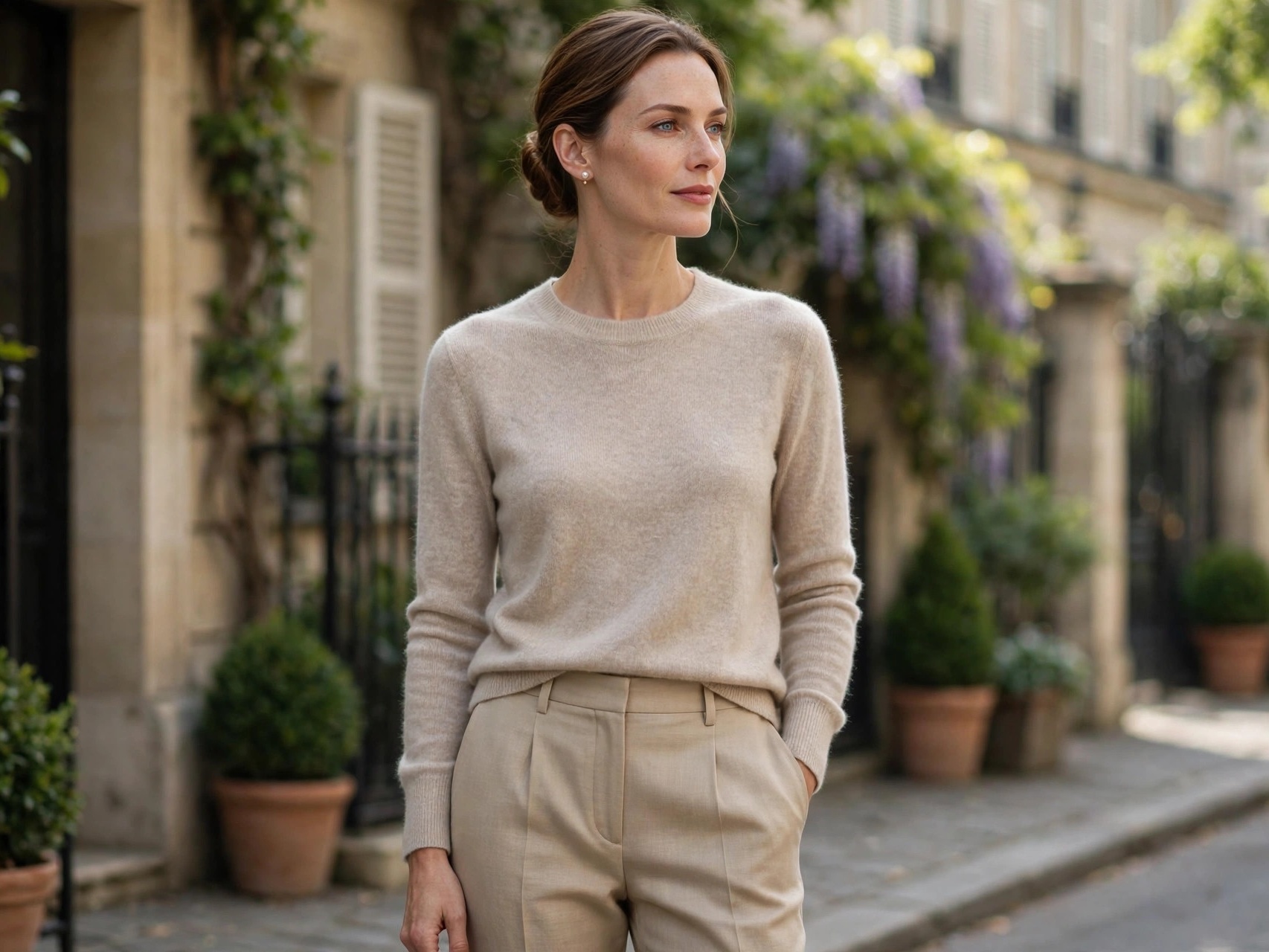
There’s a kind of elegance that never needs to announce itself. Old money fashion for women is exactly that — a quiet, confident style built on quality, fit, and timelessness rather than trends or logos. It’s the look of crisp linen blazers in summer, soft cashmere in winter, and leather shoes that have been resoled more than once because they were worth keeping.
The good news? You don’t need a trust fund to dress this way. The old money aesthetic is less about wealth and more about discipline: buying less, choosing better, and wearing everything with ease. It’s a mindset as much as a wardrobe, and once you understand its rules, the look becomes surprisingly simple to achieve.
In this guide, we’ll walk through the essential pieces every old money-inspired wardrobe needs, the quiet styling habits that make the look convincing, and answers to the questions readers ask most. No logos, no noise — just timeless style that works year after year.
Old Money Fashion for Women: The Timeless Wardrobe Essentials
The foundation of old money style is a small, impeccable wardrobe. Every piece earns its place by being versatile, well-made, and immune to passing trends. If you’re building the look from scratch, start with these cornerstones:
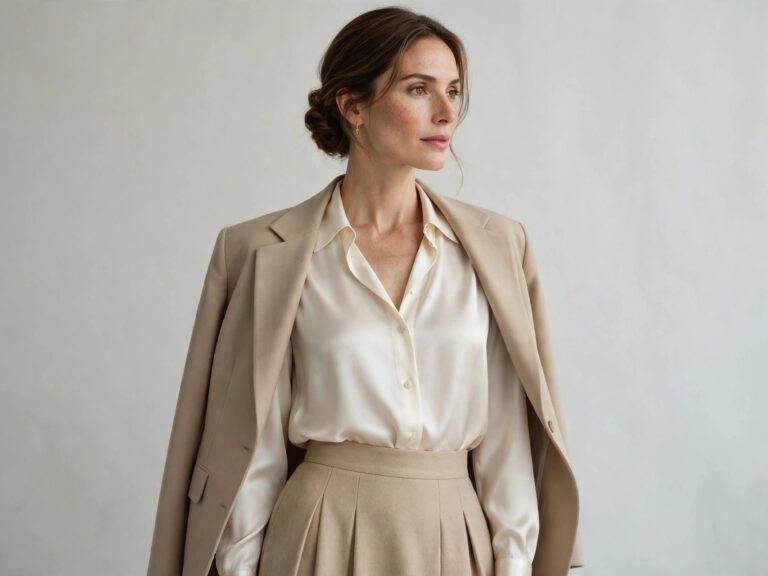
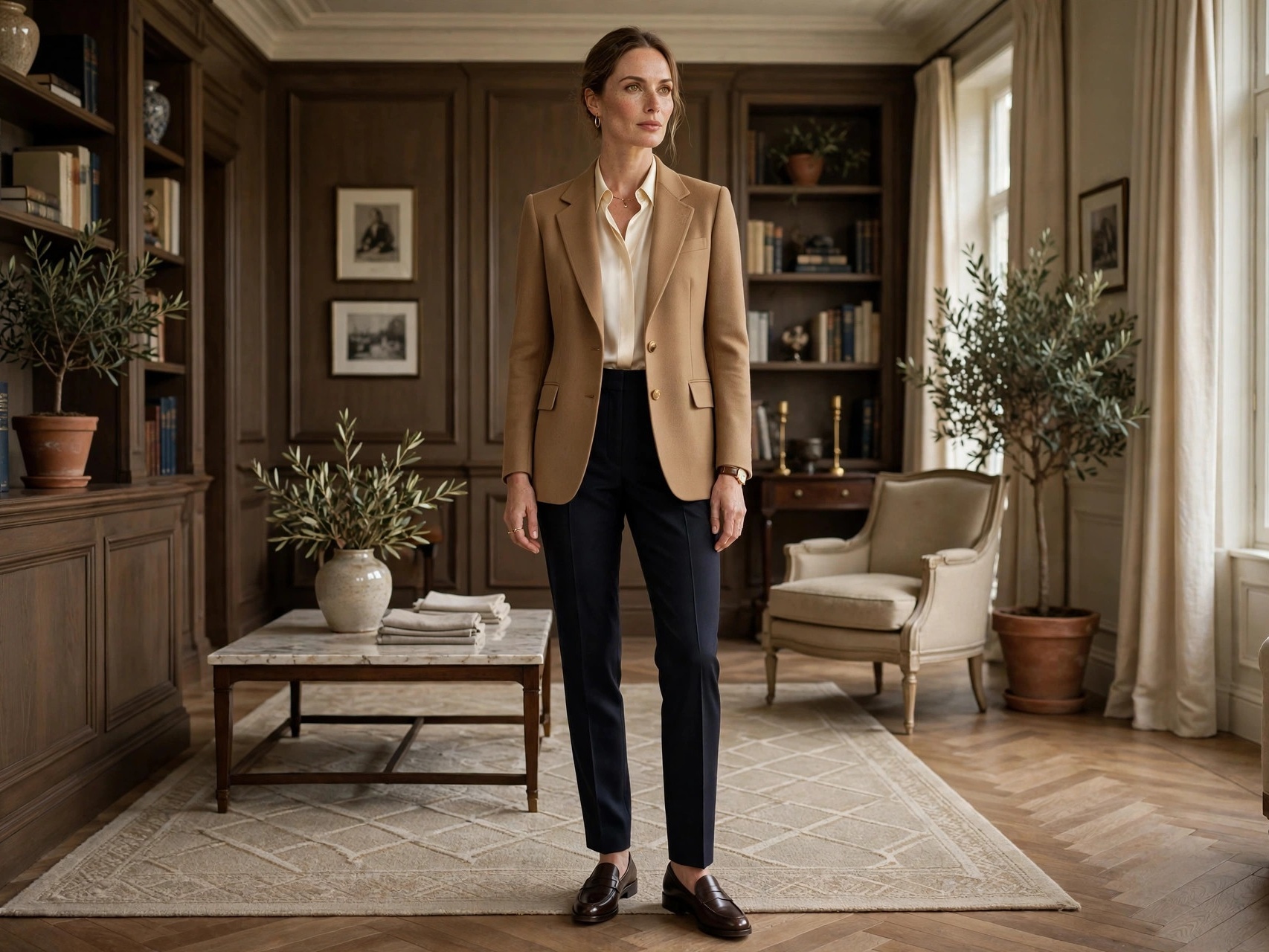
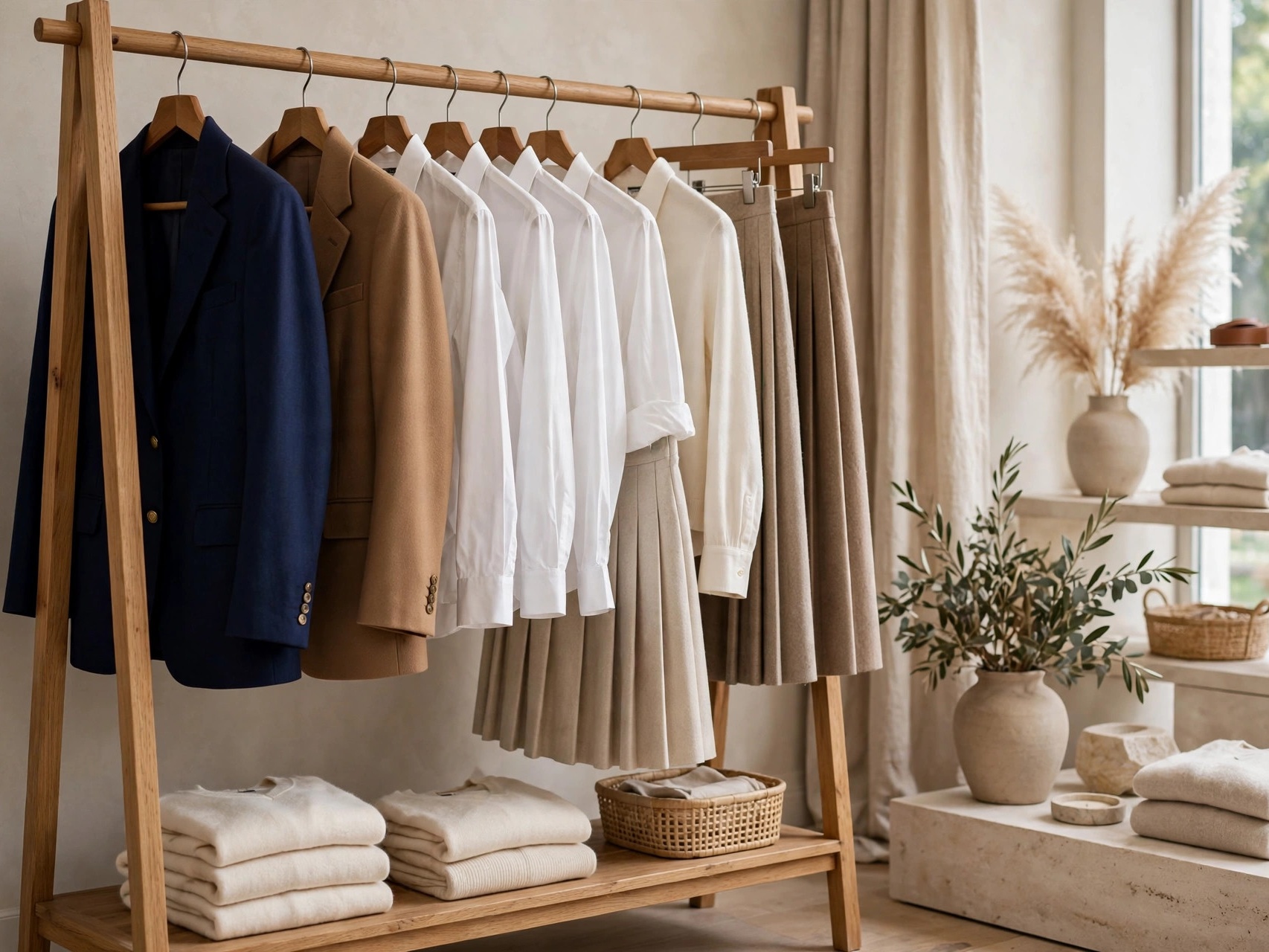
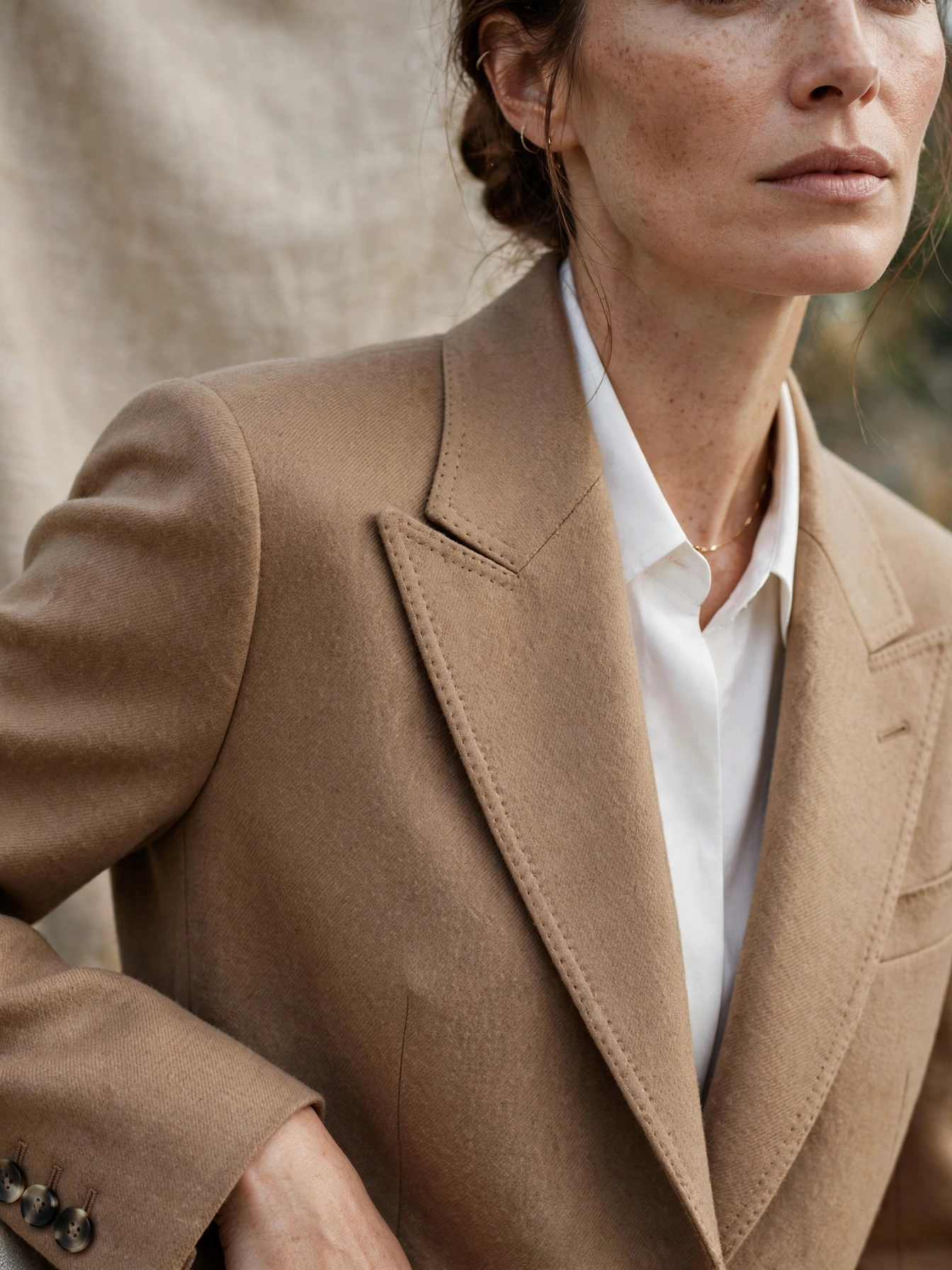
- A tailored blazer in navy, camel, or charcoal — the single hardest-working piece you can own. It sharpens jeans, dresses, and trousers alike.
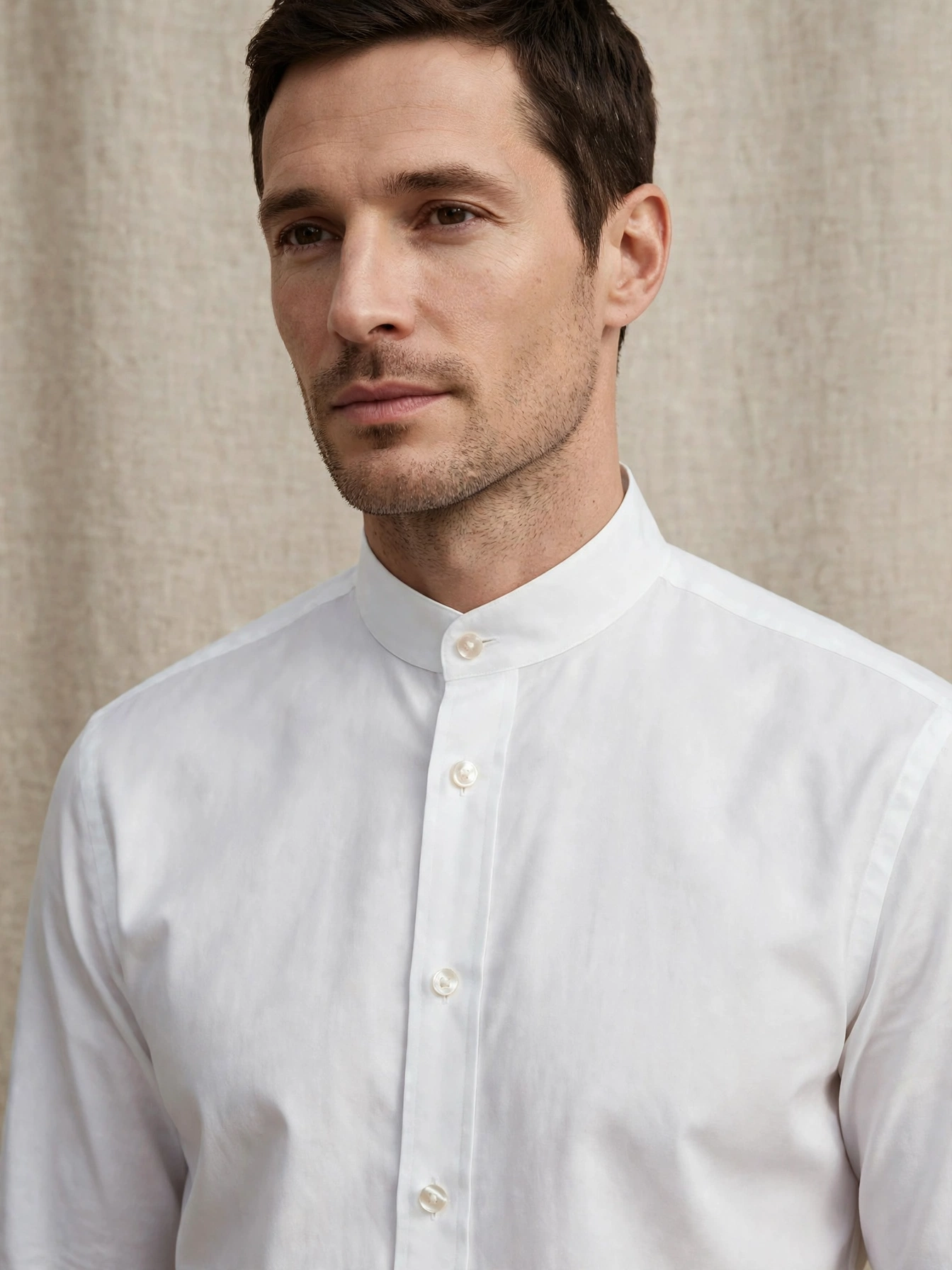
- Crisp white button-down shirts in cotton or linen. Look for mother-of-pearl buttons and a collar that stands properly.
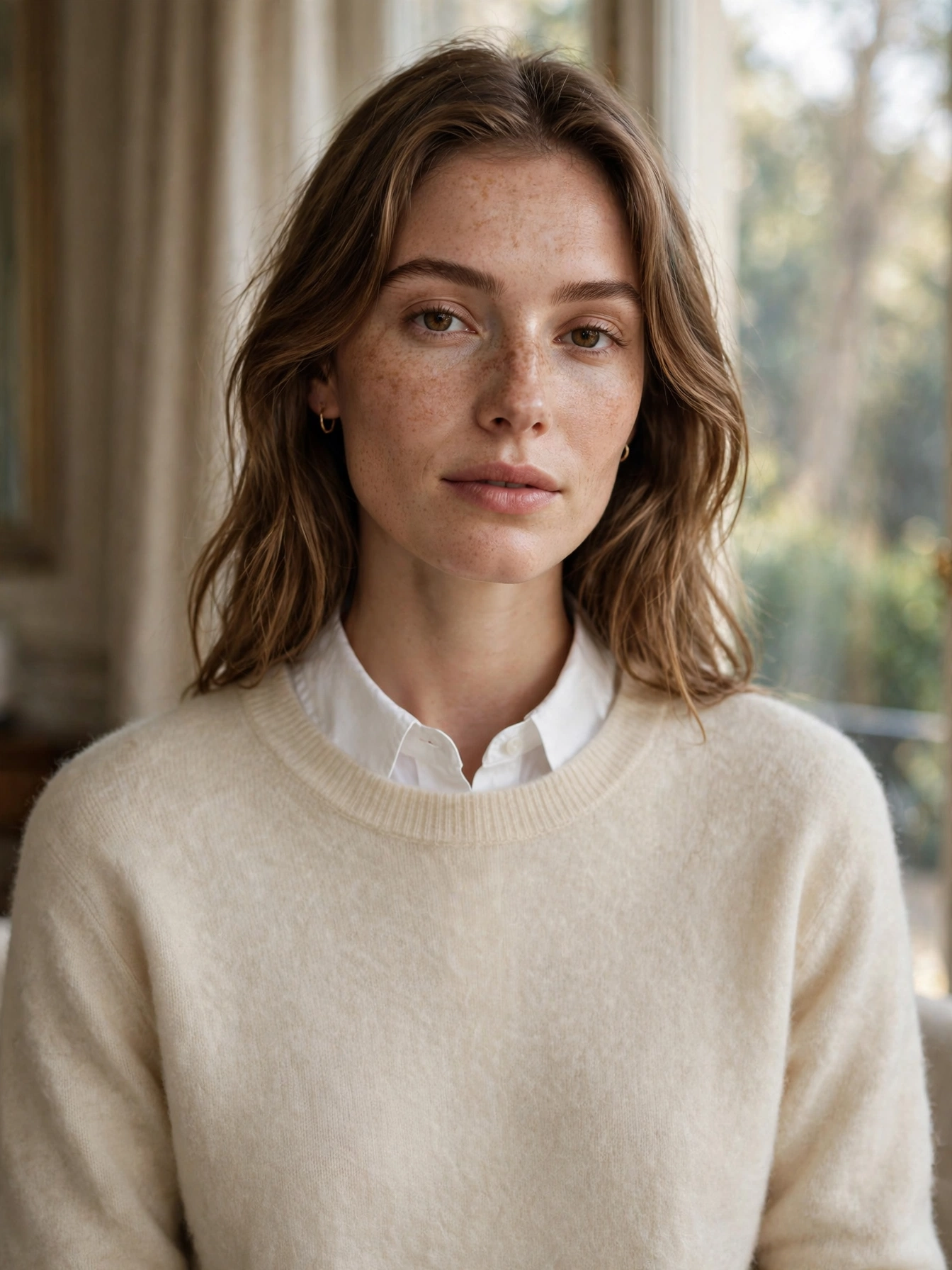
- Cashmere crewneck sweaters in cream, grey, camel, and navy. They layer over everything and never look dated.
- Well-cut trousers — pleated and high-waisted, in wool or cotton twill. Hemmed to kiss the top of your shoe.
- A knee-length A-line or pleated skirt in wool or a quality blend, endlessly pairable with knits and blouses.
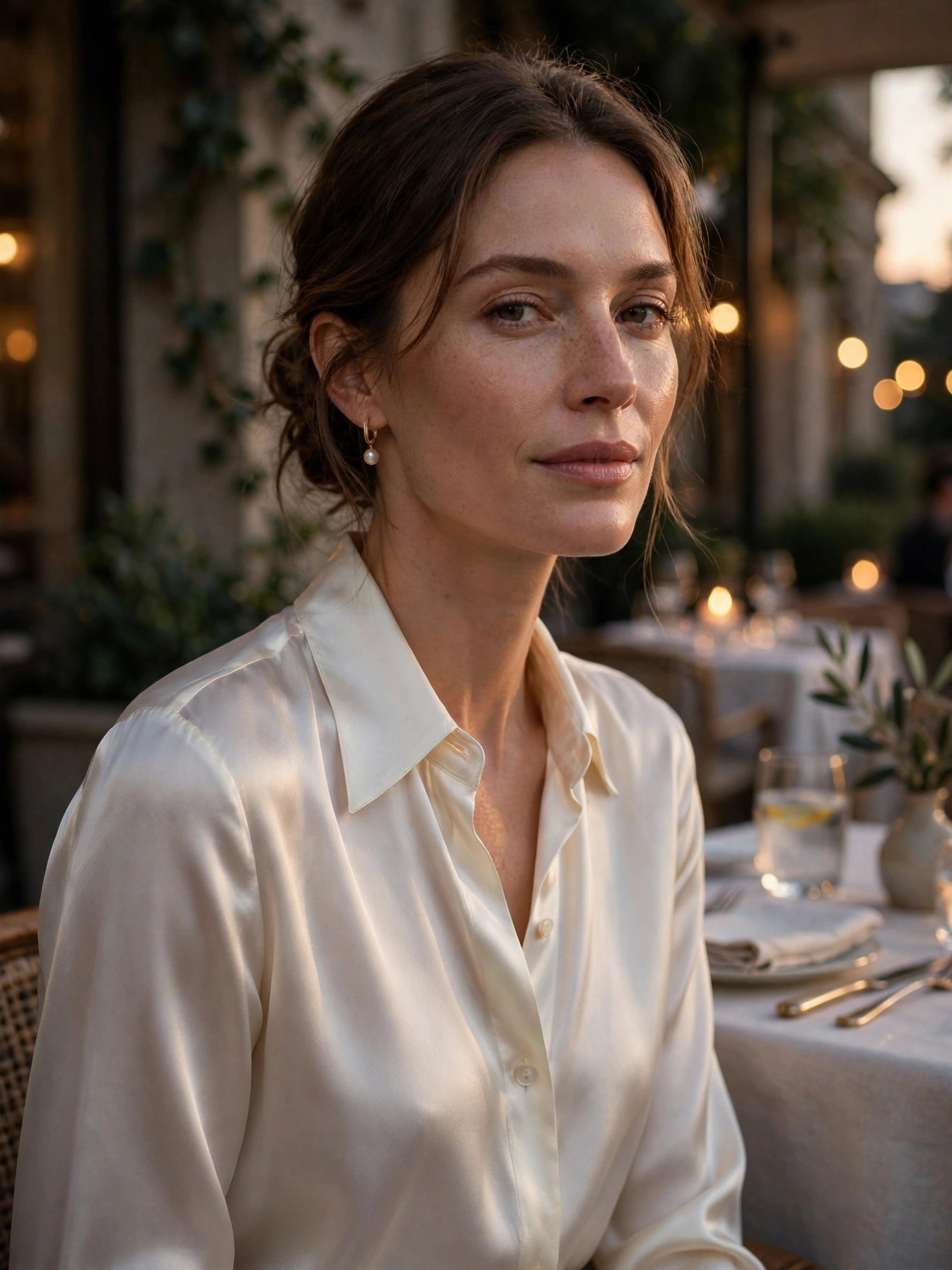
- A simple silk blouse in ivory or champagne for dinners and evenings out.
- Dark-wash straight-leg jeans with no distressing, no fading, no embellishment — ever.
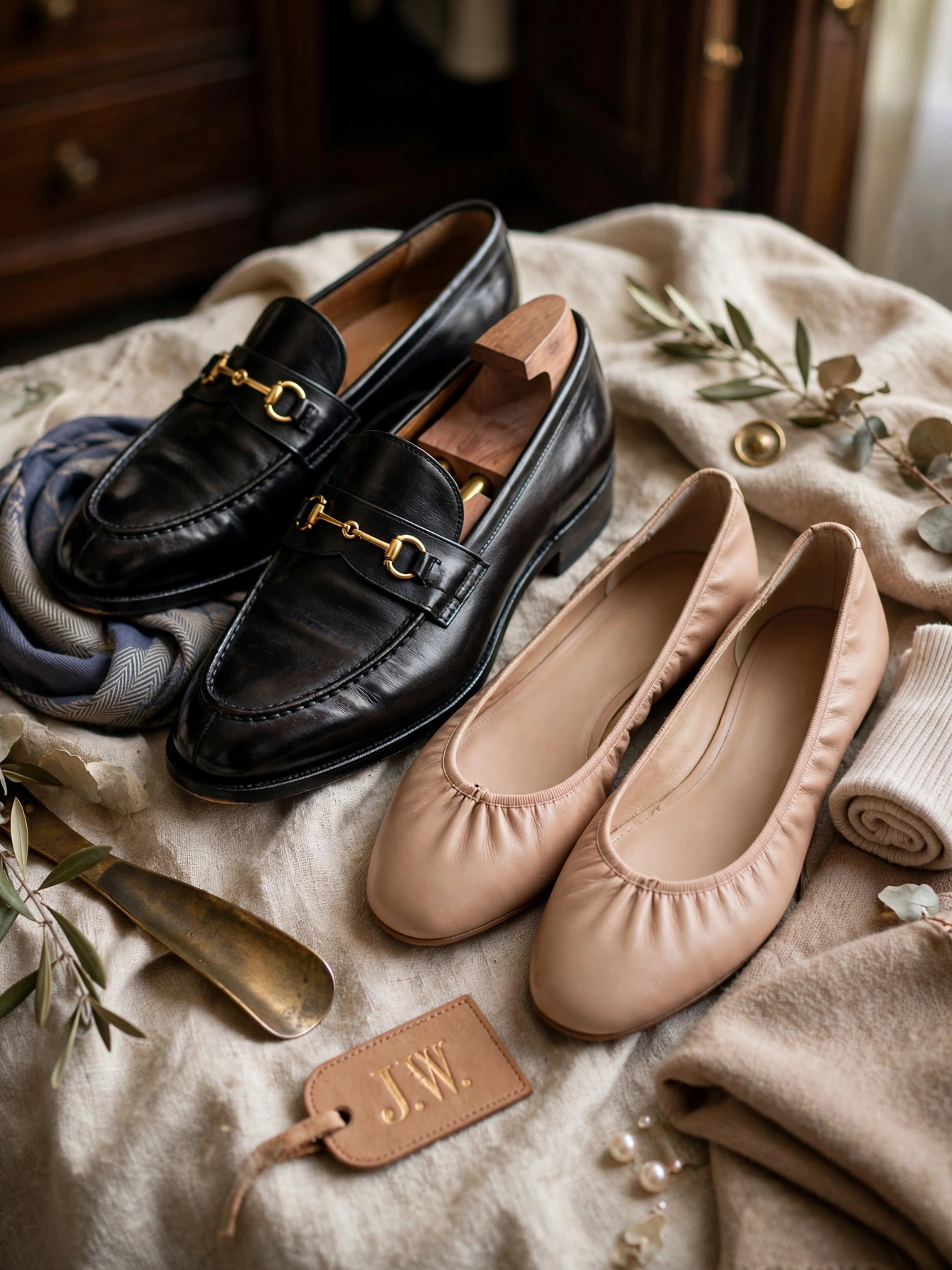
- Leather loafers, ballet flats, and low block heels in black, brown, or nude. Comfort and polish in equal measure.
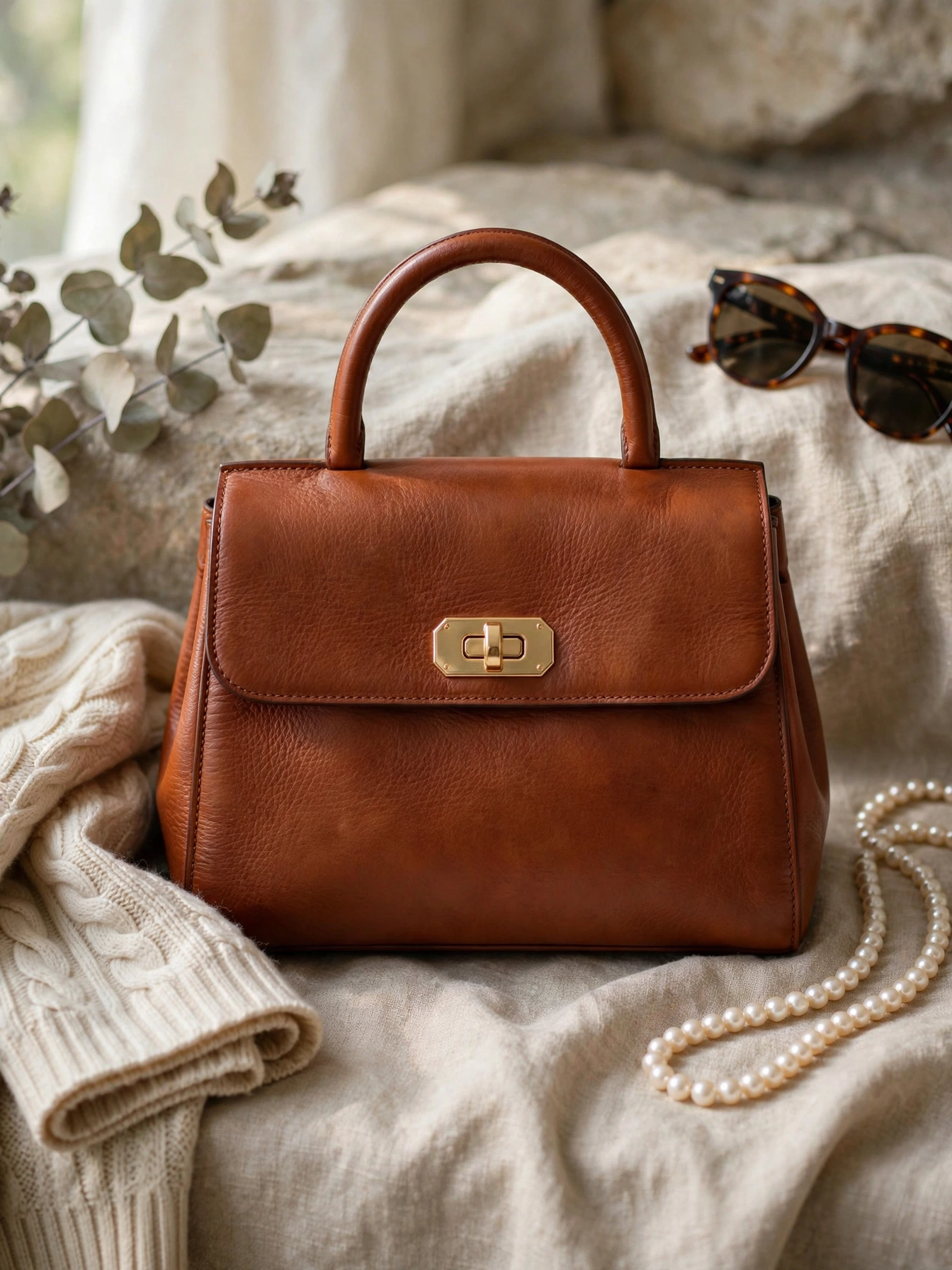
- A structured leather handbag with no visible logos. Think classic shapes that hold their form for years.
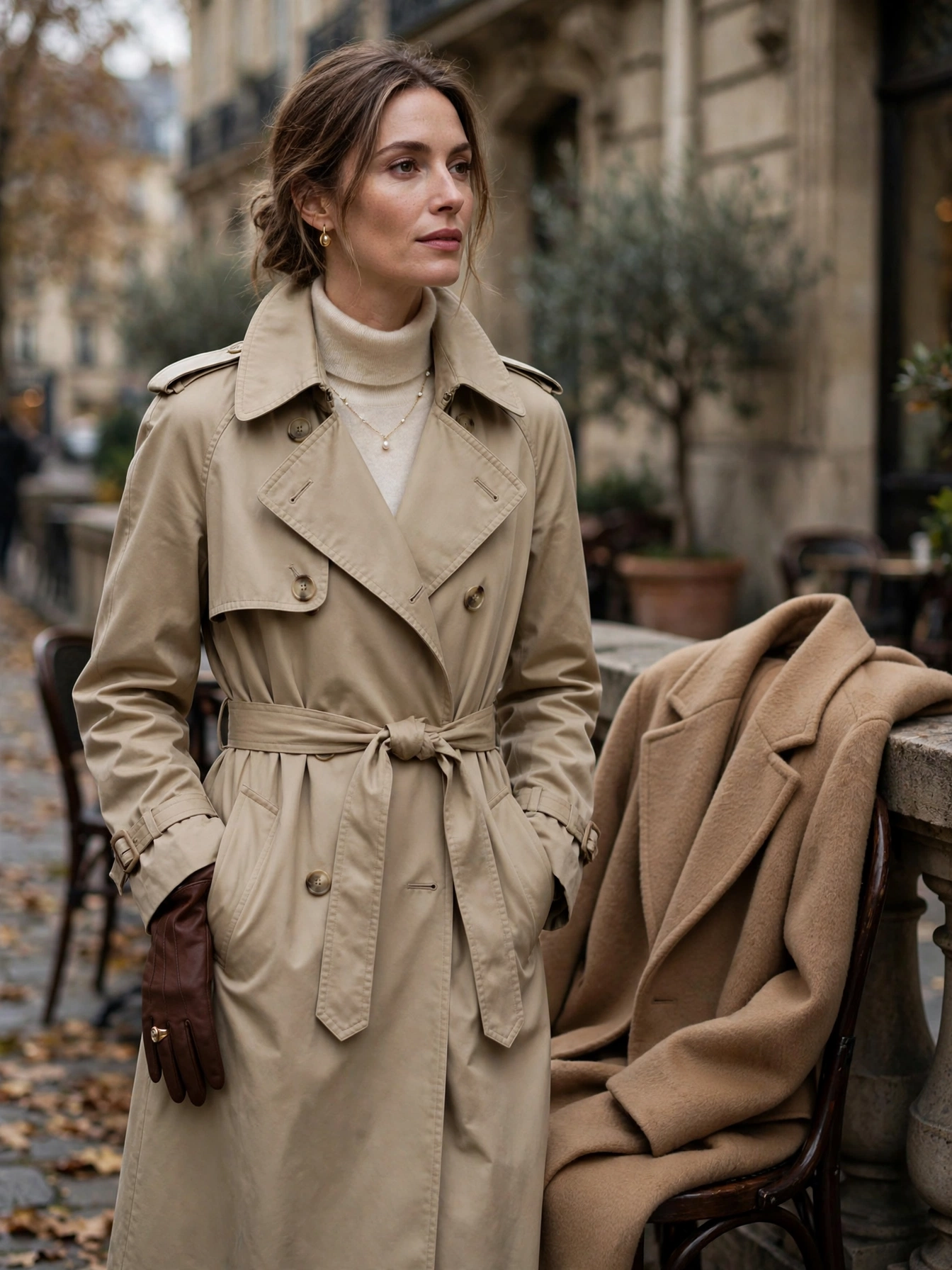
- A classic trench coat and a wool overcoat to carry the look through every season.
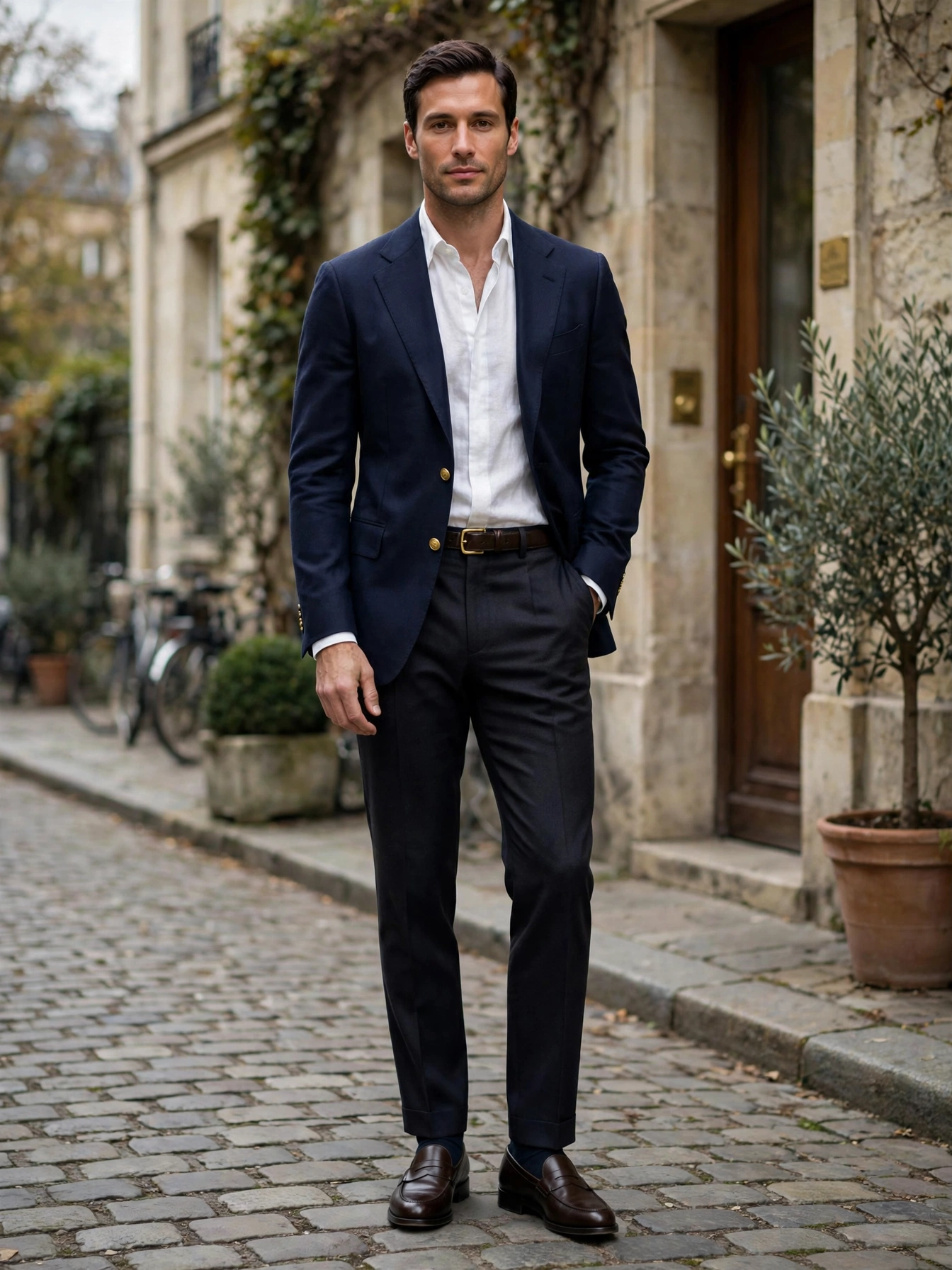
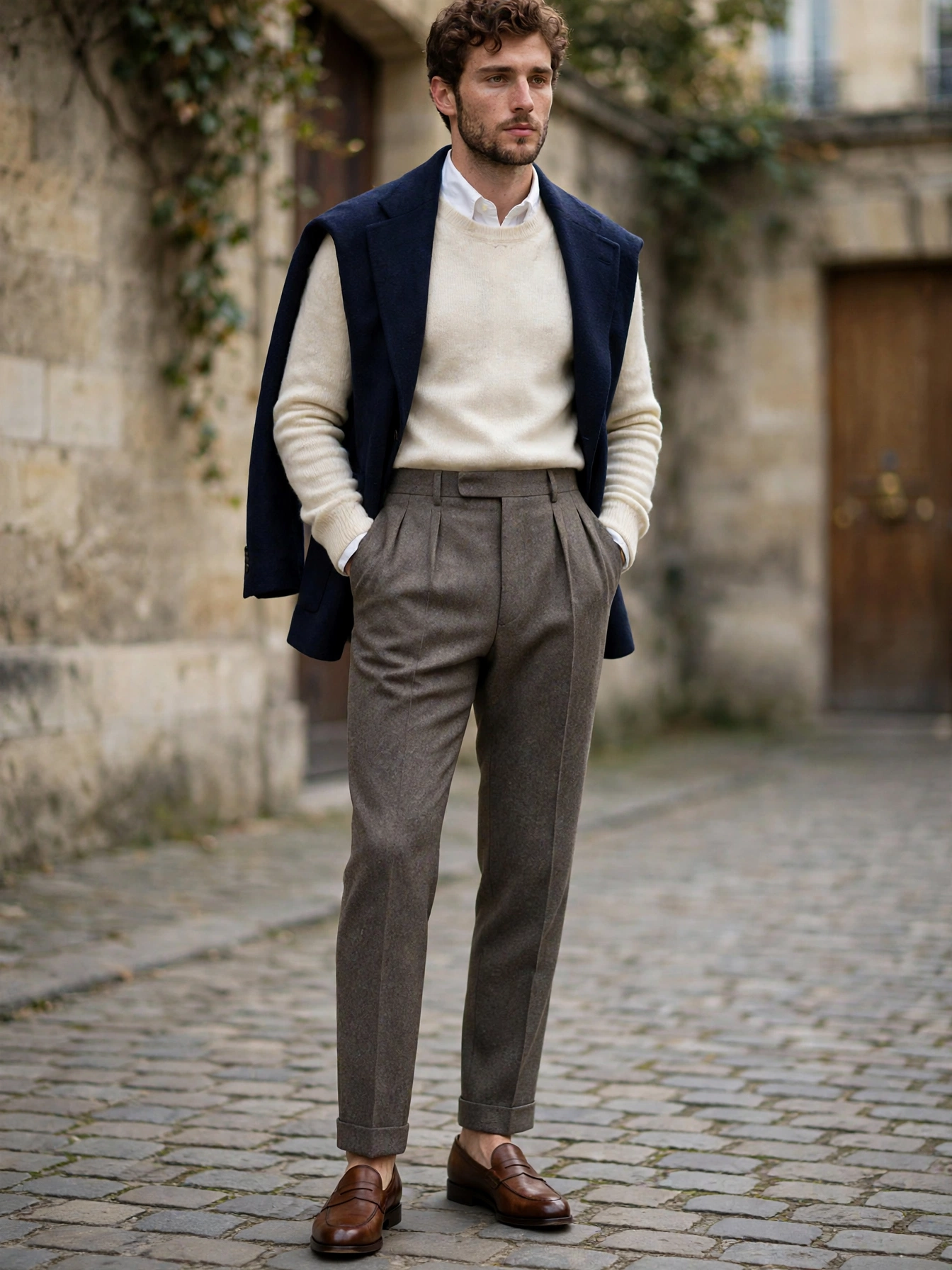
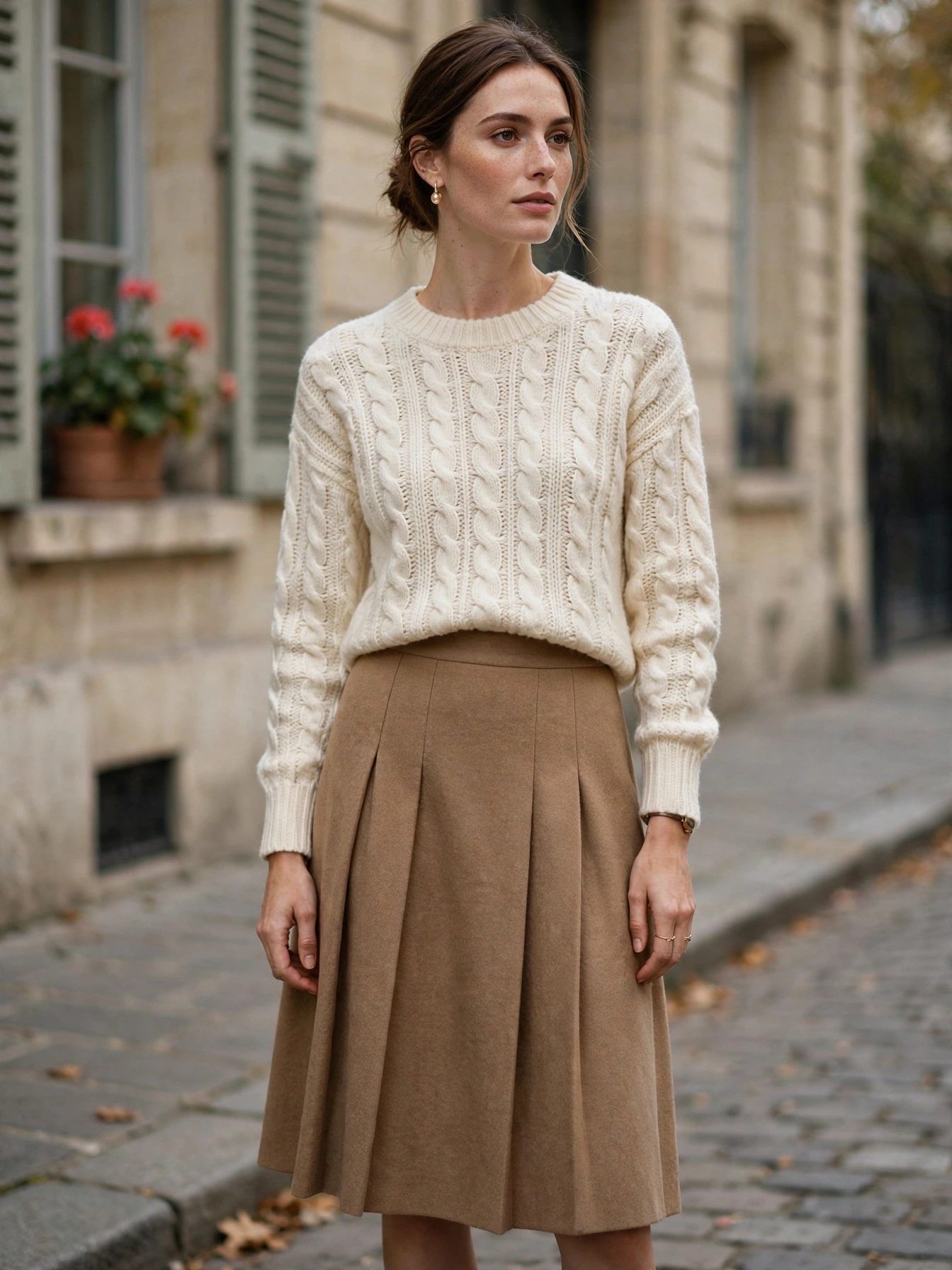
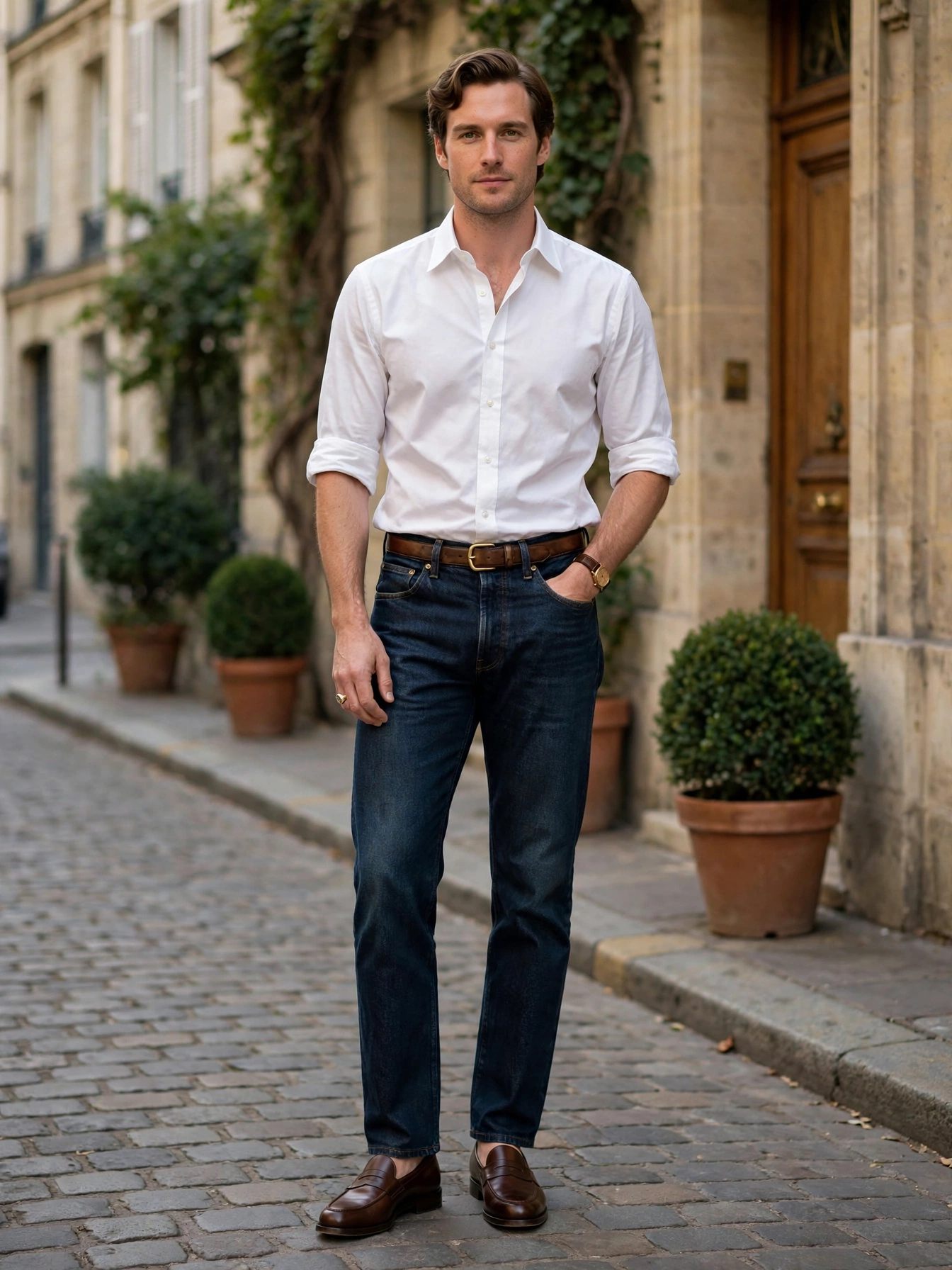
Fit is everything. Old money dressing looks effortless because everything fits properly — trousers hemmed to exactly the right length, blazers gently shaped at the waist, shirt cuffs peeking a quarter-inch from jacket sleeves. A good tailor is the real secret weapon of this aesthetic; even affordable pieces look expensive when they fit like they were made for you. check out best fashion trends for womens.
Fabric matters as much as cut. Natural fibers — wool, cashmere, silk, cotton, linen — drape better, age more gracefully, and read as quality from across the room. Avoid loud synthetics and anything that looks shiny or cheap up close. And keep the palette disciplined: navy, cream, camel, white, grey, and black form the core, with the occasional muted olive, burgundy, or soft pastel as an accent. When every piece shares a color story, getting dressed becomes nearly automatic.
Styling Rules of the Old Money Aesthetic
Once the wardrobe is in place, it’s the styling that sells the look. These are the unwritten rules that separate genuine old money fashion from a costume:
- No visible logos. Quality speaks for itself; branding shouts. If someone can name the designer from across the street, it’s too loud.
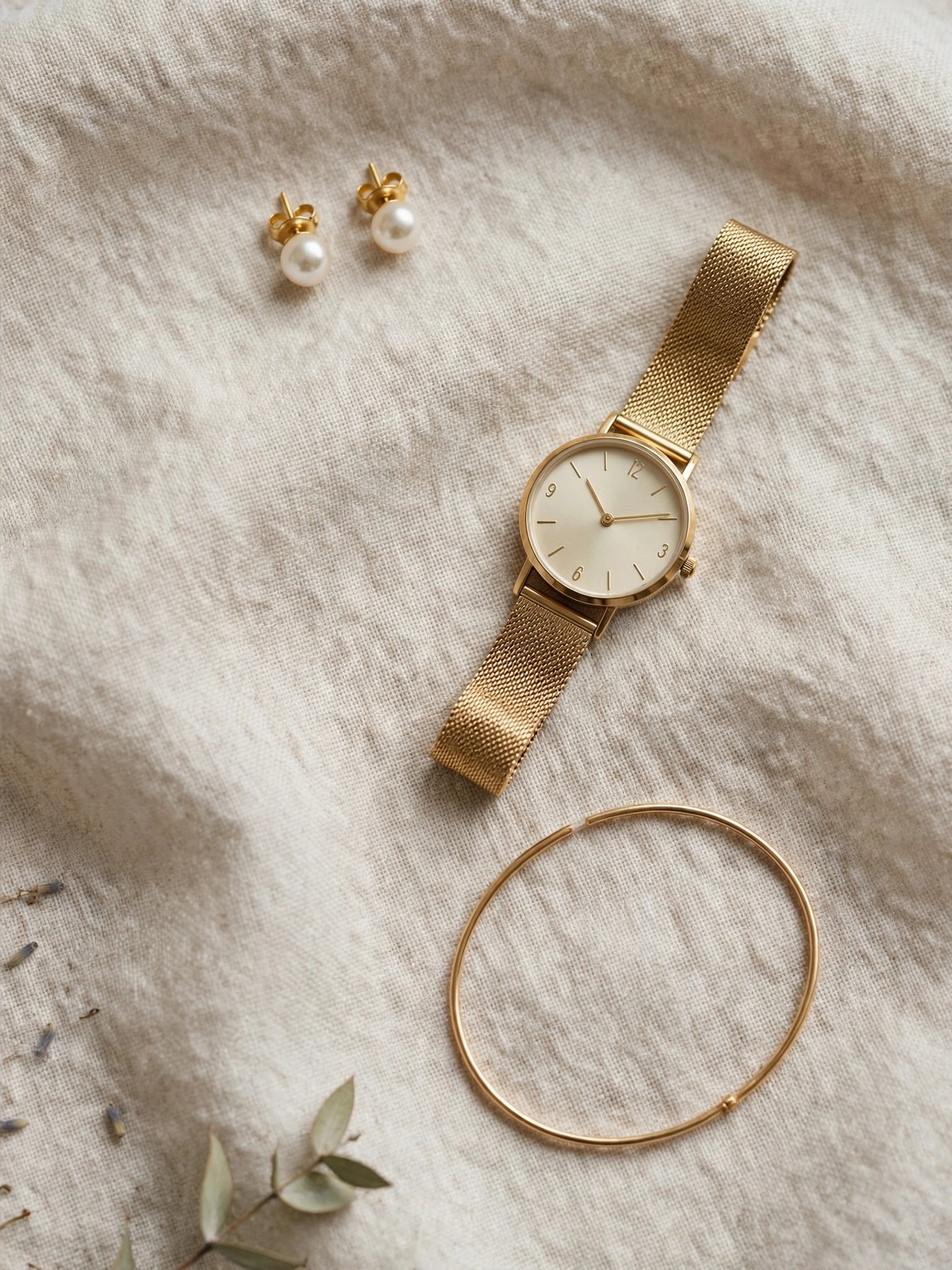
- Understated jewelry only. Pearl studs, a simple gold watch, a thin bangle, a delicate necklace. One or two pieces at a time.
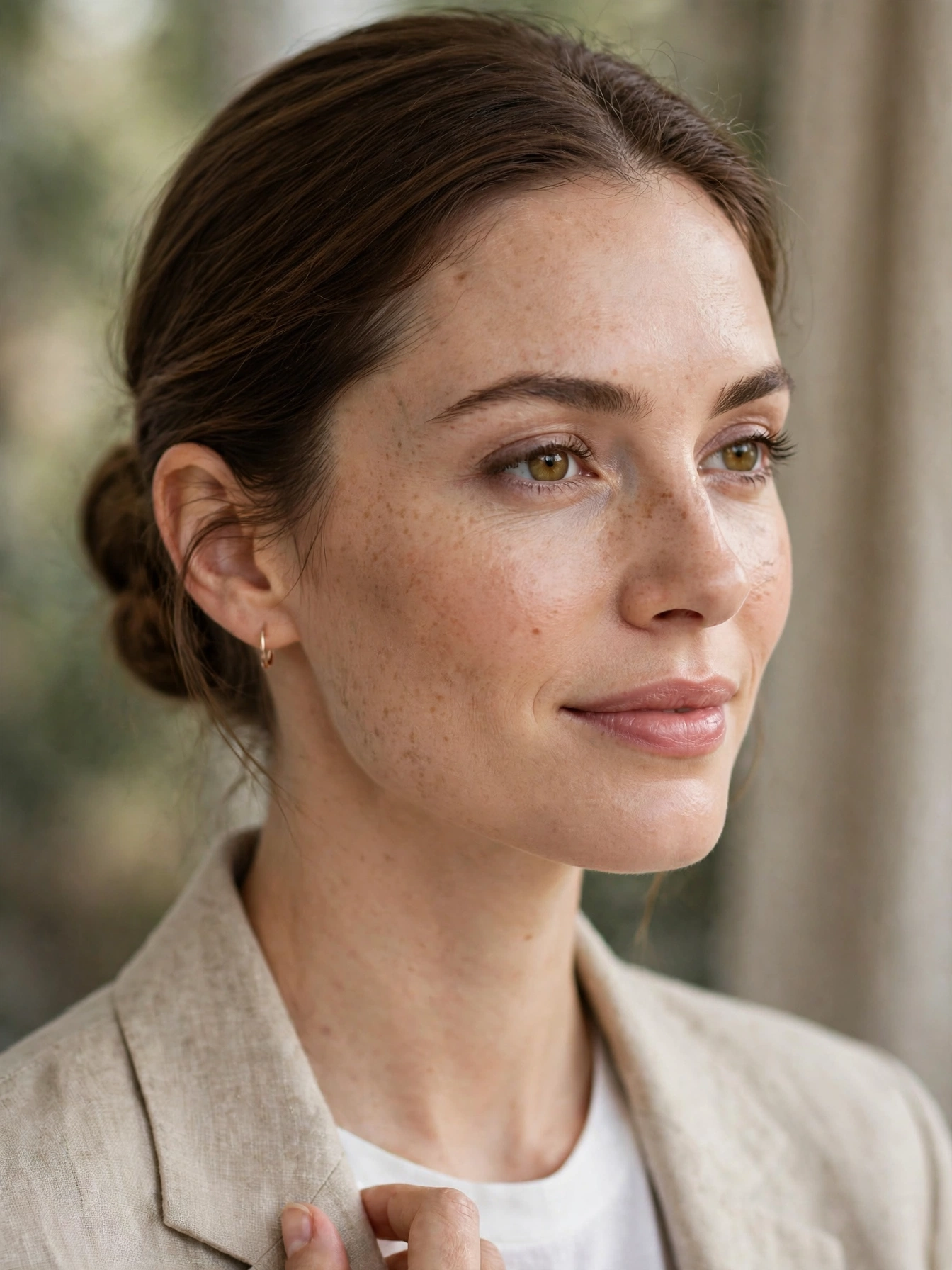
- Polished but natural grooming. Neat hair, clean nails, simple makeup. Nothing overdone, nothing obviously “done.”
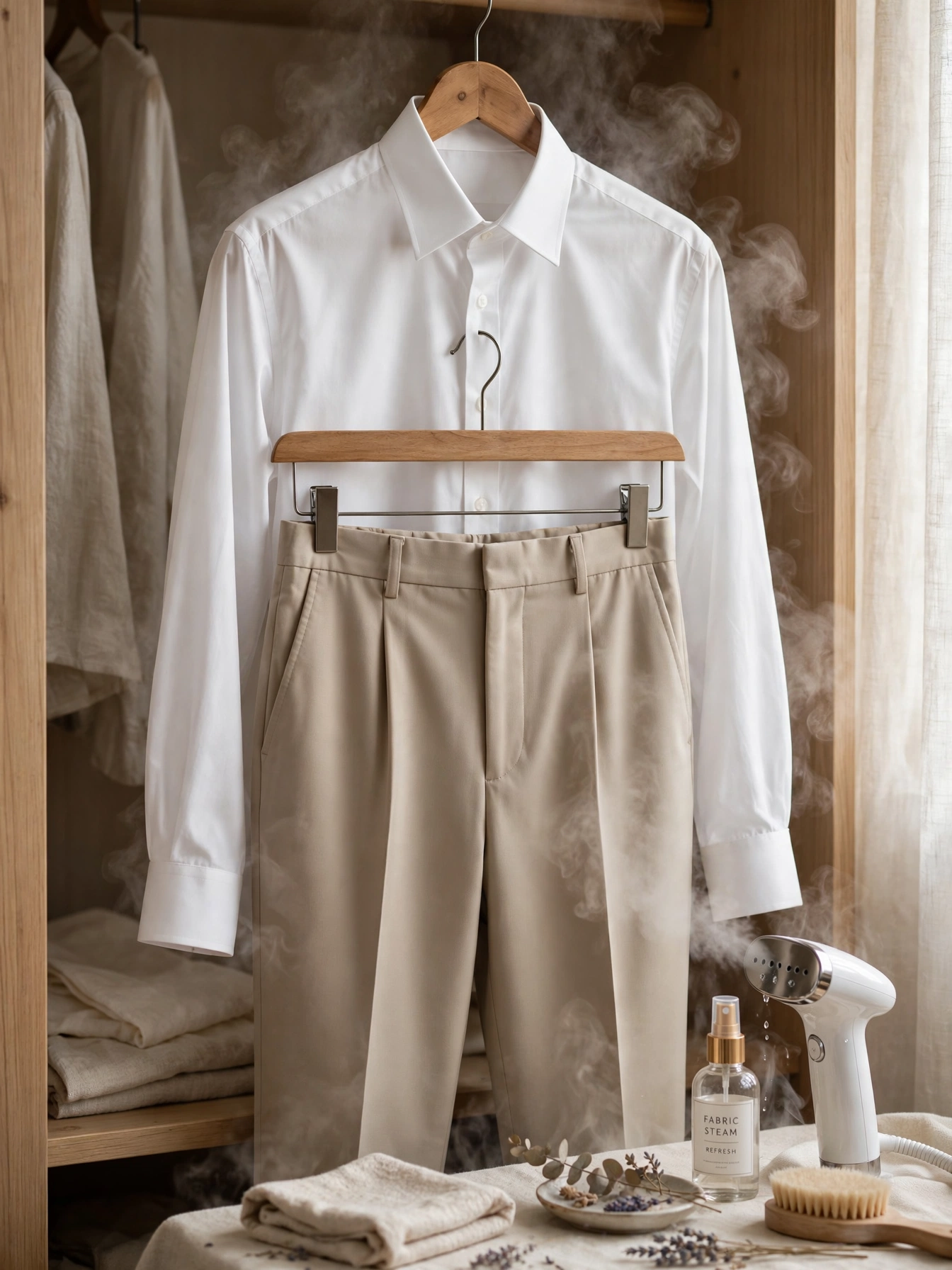
- Press everything. Steam or iron your clothes. Wrinkles ruin the illusion of ease instantly.
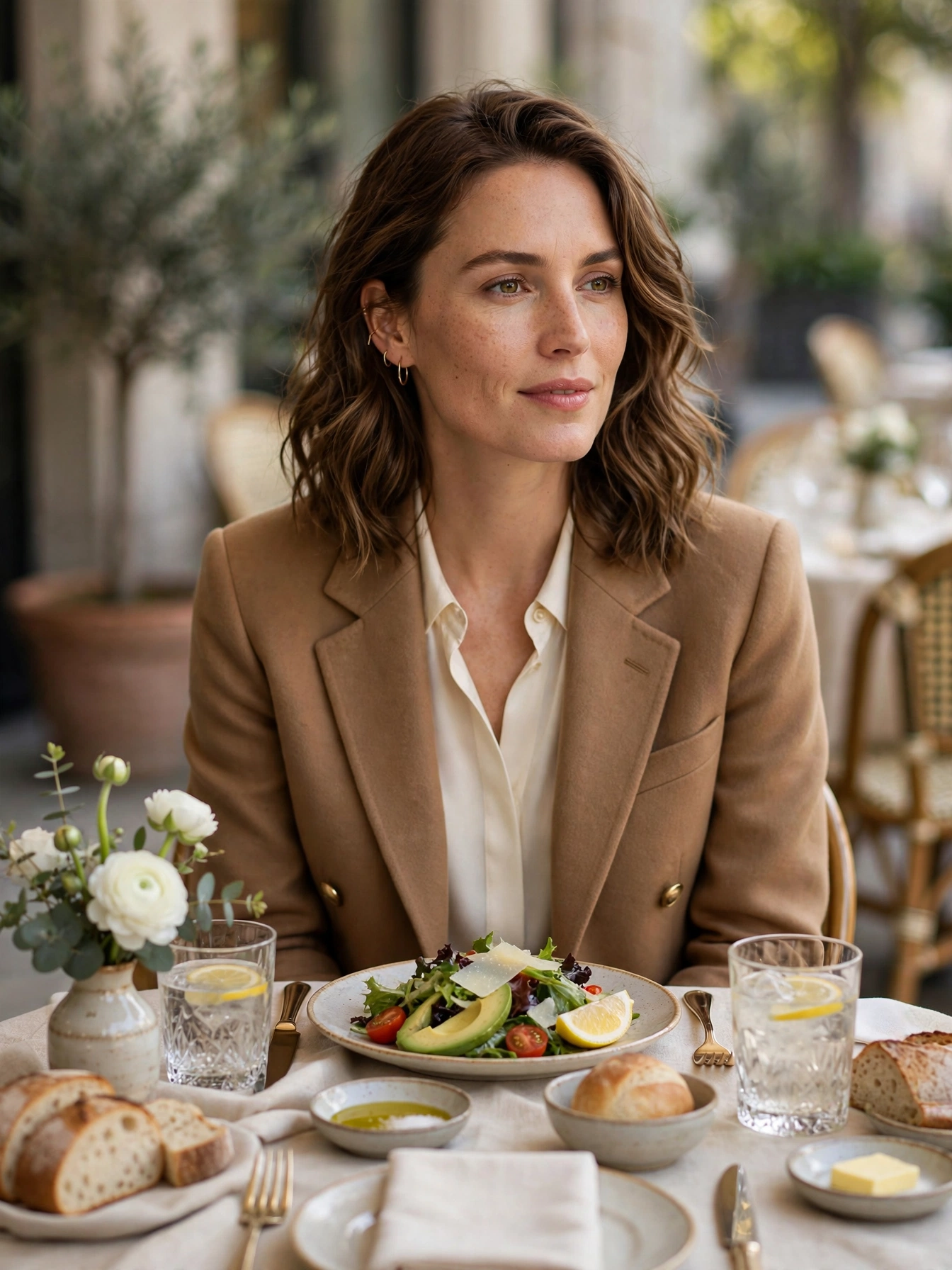
- Dress for the occasion, never above it. True elegance is appropriateness — a blazer at lunch, not a ballgown.
- Repeat outfits proudly. Wearing the same perfect blazer twice in one week isn’t a failure; it’s the entire point.
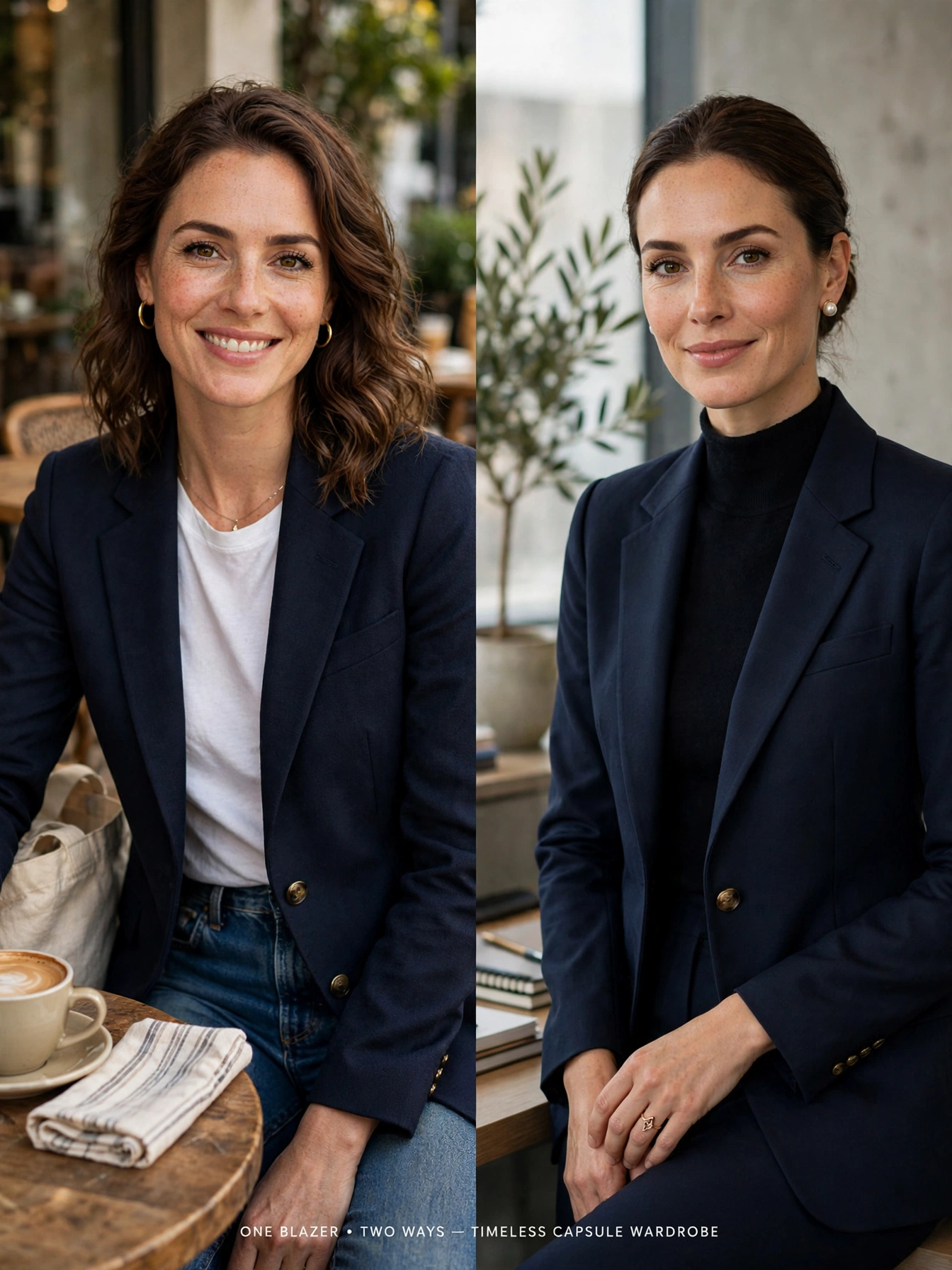
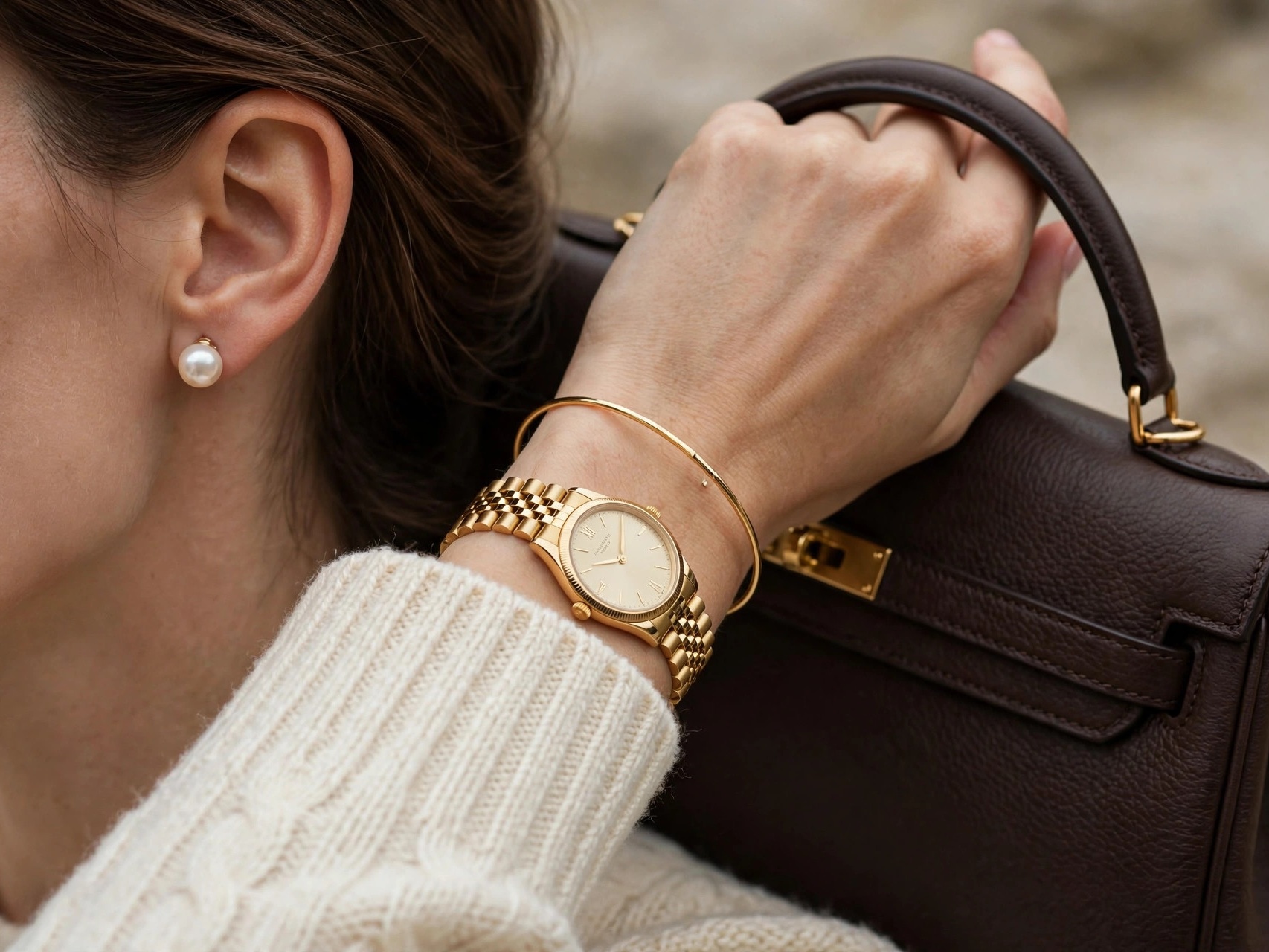
The old money aesthetic also lives in how you carry yourself — or at least the appearance of it. Nothing too tight, too short, or too try-hard. The goal is to look like you barely thought about it, even though you absolutely did. Good posture, a calm expression, and unhurried movements complete the picture more convincingly than any accessory ever could.
Finally, maintain what you own. Resole good shoes instead of replacing them, de-pill your cashmere, condition leather bags twice a year, and store knitwear folded rather than hung. Old money style is sustainable by nature — it treats clothing as an investment, not a disposable. Adopt that mindset and it will transform not just how you look, but how you shop: slower, smarter, and with far fewer regrets.
FAQs About Old Money Fashion
What is old money fashion for women?
It’s a timeless, understated style inspired by generational wealth — tailored silhouettes, natural fabrics, a neutral palette, and no visible logos. Think quiet luxury rather than trend-chasing.
Can I achieve the old money look on a budget?
Absolutely. Focus on fit, neutral colors, and quality secondhand pieces. Thrifted wool blazers and cashmere sweaters, tailored to fit your body, capture the aesthetic for a fraction of retail price.
What colors define the old money aesthetic?
Navy, cream, camel, white, grey, and black dominate, with muted accents like olive, burgundy, and soft pastels. The palette stays calm, coordinated, and never loud.
Is old money style the same as preppy fashion?
They’re cousins, not twins. Preppy leans collegiate and playful; old money fashion for women is more restrained and grown-up — fewer bright colors, more tailoring, less obvious branding.
What should I avoid to nail the old money look?
Visible logos, fast-fashion micro-trends, overly tight or revealing fits, loud prints, and cheap-looking synthetics. When in doubt, simplify and let the quality of the piece do the talking.
Final Thoughts
Old money fashion for women isn’t about money at all — it’s about intention. Choose timeless pieces, insist on proper fit, keep everything understated, and take genuine care of what you own. Master those habits and you’ll look effortlessly elegant for decades, not just for a season. Start with one tailored blazer and build from there.