How to Style Layered Outfits Like a Pro
Learning how to style layered outfits like a pro is not about piling on as many clothes as possible to brave the elements; it is a calculated design system. Whether you are navigating unpredictable transitional seasons, transitioning from a chilly commute to a climate-controlled creative studio, or framing an aesthetic digital lookbook, your layers should look cohesive and intentional. This definitive blueprint breaks down the structural rules, material hierarchies, and styling formulas needed to layer like an industry insider for fashinite.com.
How to Style Layered Outfits Like a Pro
To build a flawless layered outfit, you must train your eye to view your clothes as a system of distinct, interlocking tiers. Every piece must serve a functional and visual purpose.
1. The Weight Hierarchy (Thin-to-Thick)
The foundational rule of comfortable, bulk-free layering is to scale your fabric weights sequentially from your skin outward. Your base layer should always be the thinnest, most fitted garment, while your outer layer should feature the heaviest, most structural textile.
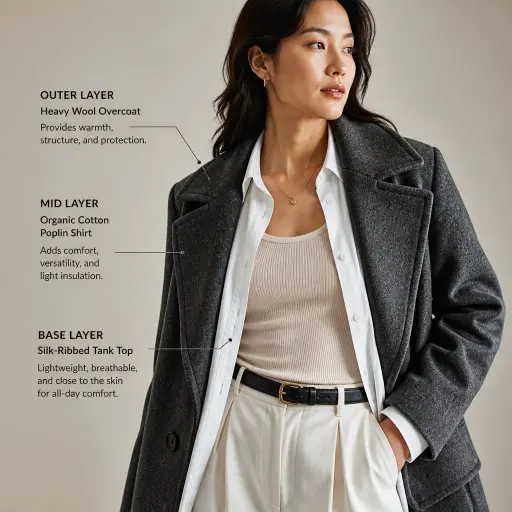
- Base Layer: Fine-gauge silk-ribbed tanks, lightweight cotton bodysuits, or second-skin mesh tops.
- Mid Layer: Fluid organic cotton poplin button-downs, medium-weight merino wool cardigans, or tailored waistcoats.
- Outer Layer: Heavy wool-blend overcoats, rigid leather jackets, or substantial trench coats.
Following this sequence allows your clothes to cascade naturally over the body without gathering, pulling, or restricting your mobility. also look 10 accessories to upgrade outfit.
2. Texture Decoupling (The Contrast Axiom)
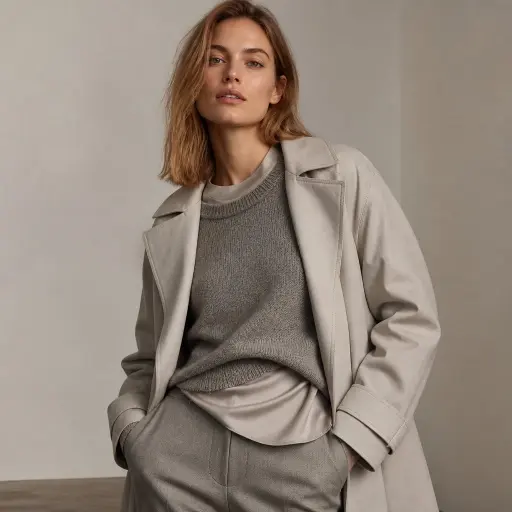
A monochromatic or tonal outfit can easily look flat and uninspired if every garment features an identical texture. Layering gives you the perfect canvas to introduce tactile depth by pairing contrasting fabrications.
3 Professional Layering Lookbooks to Execute
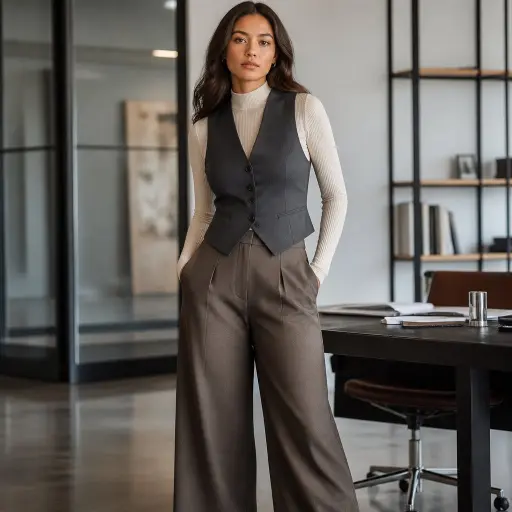
Lookbook 1: The Contemporary Tailored Matrix
This blueprint is ideal for bringing creative executive authority to corporate or client-facing environments.
1.The Base Layer:Sleek Foundations.
Start with a high-density, fine-ribbed cotton mock-neck bodysuit tucked tightly into high-waisted, wide-leg tailored trousers. This creates a smooth, bulk-free canvas at the waist.
2.The Mid Layer:Tailored Separation.
Button a sharp, tailored suiting waistcoat or vest over the bodysuit. Leaving the lowest button of the waistcoat undone adds a subtle, unforced editorial touch.
3.The Outer Frame:Architectural Volume.
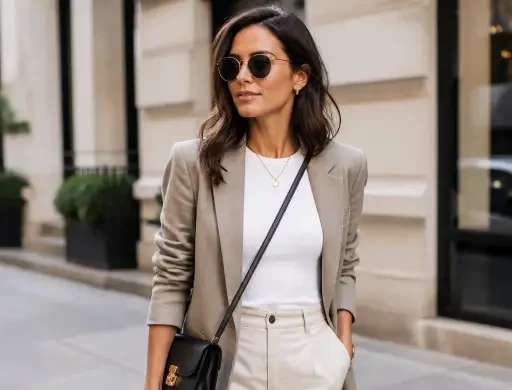
Layer an oversized, masculine wool blazer with strong, defined shoulders over the waistcoat. The structured shoulders frame the softer layers underneath perfectly.
Lookbook 2: The Casual Transitional Uniform
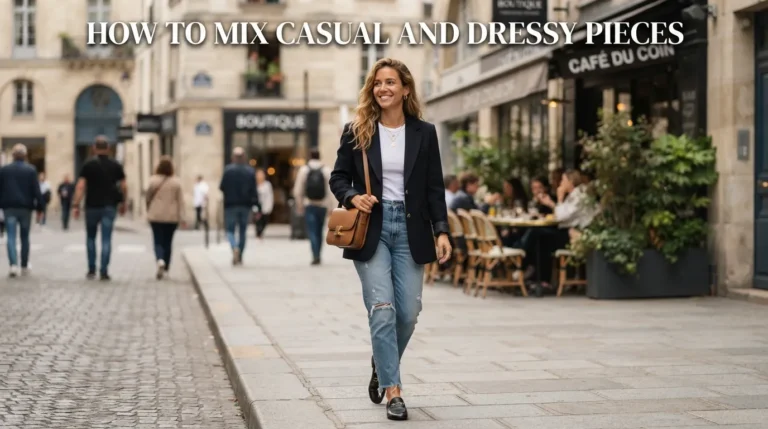
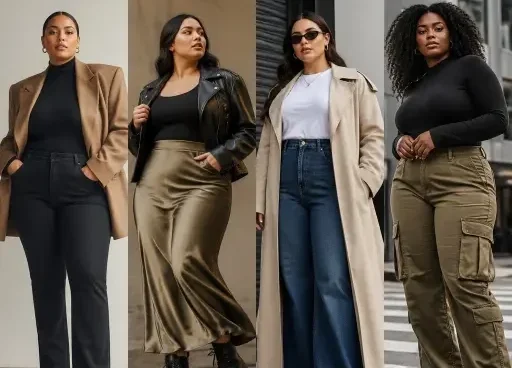
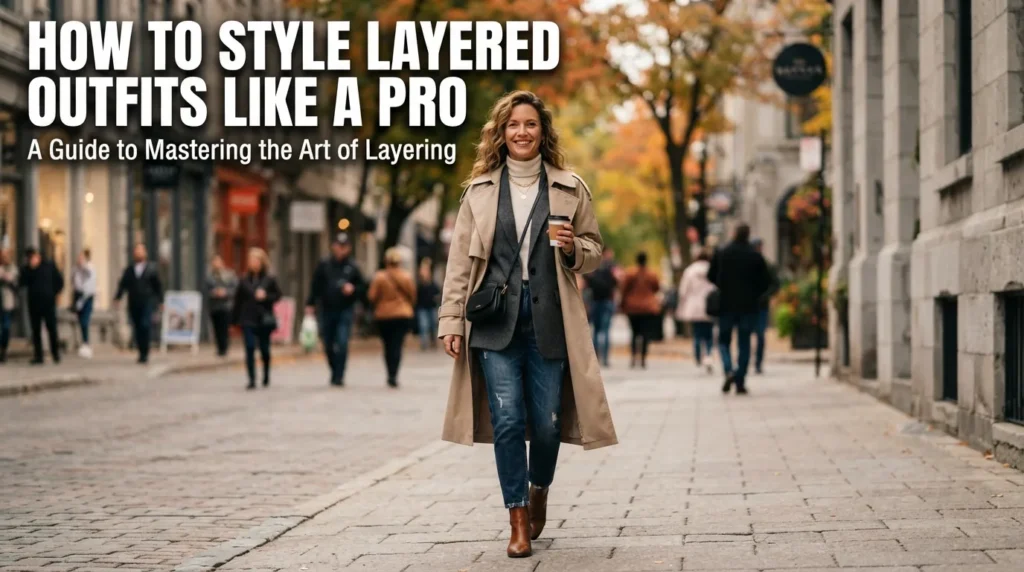
As demonstrated in the gallery, the classic trench configuration is an elite layout for brisk mornings and changing weather.
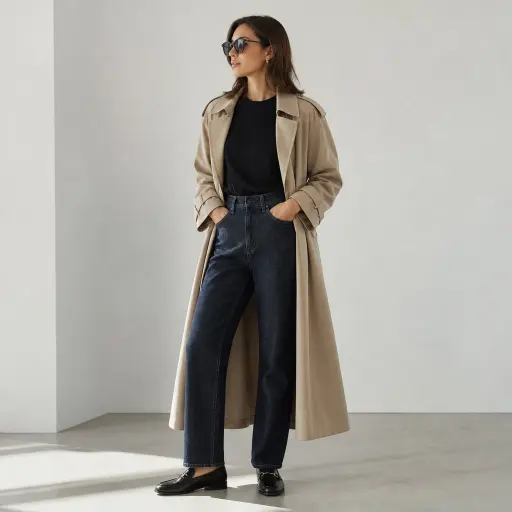
Start with a matte black compact crewneck top tucked cleanly into high-waisted, straight-leg rigid denim. Slip on a pair of sleek black leather loafers to establish a grounded, professional baseline. Finish the ensemble by layering a full-length, lightweight classic trench coat over the top. The sweeping lines of the open trench coat contrast beautifully with the sharp vertical line of the rigid denim, creating an unbothered, runway-ready lookbook style in minutes.
Lookbook 3: The Cold-Weather Monochromatic Column
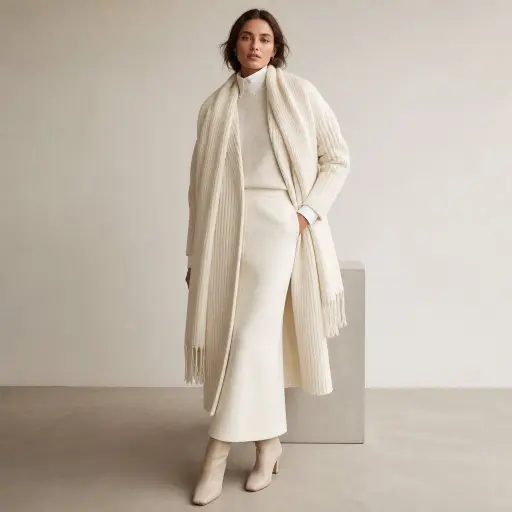
When temperatures drop, lean into the absolute luxury of premium yarn and heavy textiles to build an unbroken visual line.
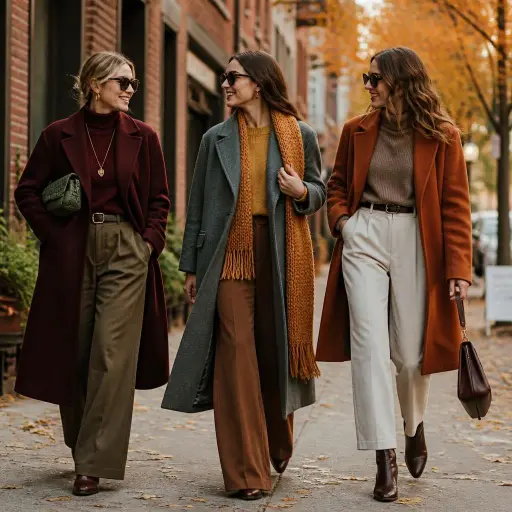
Layer a sleek, fine-gauge merino wool turtleneck tightly under a heavy, cream-colored cable-knit or ribbed sweater coat. Pair this top combination with a matching structured column midi skirt or heavy fluid trousers in an identical ivory or bone shade. To finish the look like a pro, drape a thick, high-density wool fringed scarf generously around your shoulders and slip on a pair of square-toe leather boots. Draping your scarf loosely rather than knotting it tightly keeps the layers looking relaxed, sophisticated, and deeply intentional.
The Axiom of the Exposed Hem
For a layered look to feel truly editorial, allow a hint of your inner layers to peek out. Let a crisp white poplin cuff extend half an inch past your blazer sleeve, or let a sharp shirt collar extend above a crewneck sweater. These minor points of exposure show that your layers were styled with deliberate, calculated intent.
The Pro-Layering Palette Guide
A sophisticated layered outfit relies on a calm, desaturated color story that ensures all elements blend together seamlessly without visually clashing:
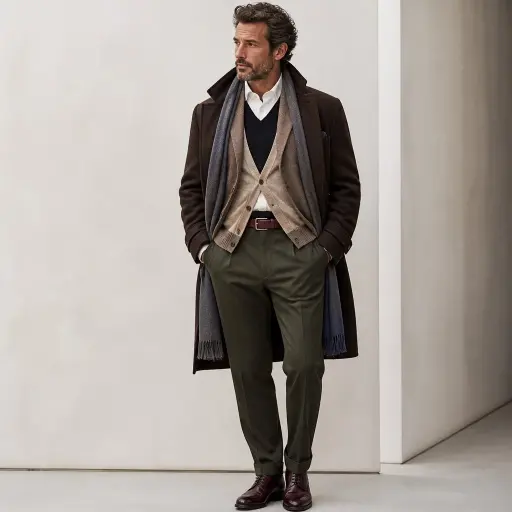
- The Tonal Gradients: Stacking multiple shades of a single color family—such as layering cream, soft oatmeal, warm taupe, and deep chocolate espresso—creates a luxurious, multidimensional depth.
- The High-Contrast Neutrals: Pairing stark opposites, like a crisp optical white poplin button-down beneath a solid matte obsidian black knit vest, creates a sharp geometric focus.
- The Desaturated Accents: If you want to introduce color, stick to muted, earthy tones like deep olive drab, washed steel blue, or rich burgundy. These shades act as neutrals and layer beautifully against black, grey, or camel.
Conclusion:
Ultimately, learning how to style layered outfits is an exercise in thoughtful composition and restraint. True elegance is not achieved by overcomplicating your look, but by ensuring that every layer is executed with elite fabric weights, contrasting textures, and balanced proportions. By dedicating your closet to superior material drapes and timeless silhouettes, you ensure your personal style commands respect across any season.
Frequently Asked Questions
How do I stop layered outfits from making me look bulky?
To eliminate unwanted bulk, keep your closest-to-skin base layers highly fitted and lightweight, such as fine-ribbed bodysuits or seamless fine-gauge knits. Additionally, ensure your mid-layers are tucked in or cropped to clearly define your natural waistline before adding a structured outer coat.
Can I layer two pieces of outerwear together?
Yes, this is an advanced styling technique known as Double Outerwear. The key is to pair a lightweight, unstructured piece beneath a heavier, rigid one.
Why is texture contrast important when layering?
Texture contrast prevents a multi-layered outfit from looking flat, heavy, or muddy, especially when dressing in a single color family.
How do I handle sleeves bunching up when layering?
When putting on an outer layer like a blazer or coat over a long-sleeved mid-layer, reach down and hold the cuffs of your inner shirt or sweater firmly in your hands as you slide your arms through the jacket sleeves.
What accessories work best with heavily layered outfits?
Because layered outfits already feature a lot of visual detail, keep your accessories highly structured and minimal. Opt for a rigid, geometric leather handbag to anchor the fluid textiles, and stick to a single piece of substantial demi-fine jewelry—such as a bold gold dome ring or a thick wrist cuff.