How to Layer Outfits for Different Seasons: The 2026 Masterclass in Style

Layering is more than a practical response to the weather; it is the hallmark of a sophisticated wardrobe. In 2026, the art of layering has moved beyond simple cardigans to a philosophy of “Functional Elegance”—combining textures, lengths, and high-performance natural fibers to create a look that is as versatile as it is luxurious.
For the premium traveler and the professional woman, mastering layers ensures you are prepared for everything from a chilly 6:00 AM flight to a sun-drenched afternoon in the city. Here is your ultimate guide to layering for every season, tailored for a polished, high-end aesthetic.
1. The Three-Layer Rule: A Universal Foundation
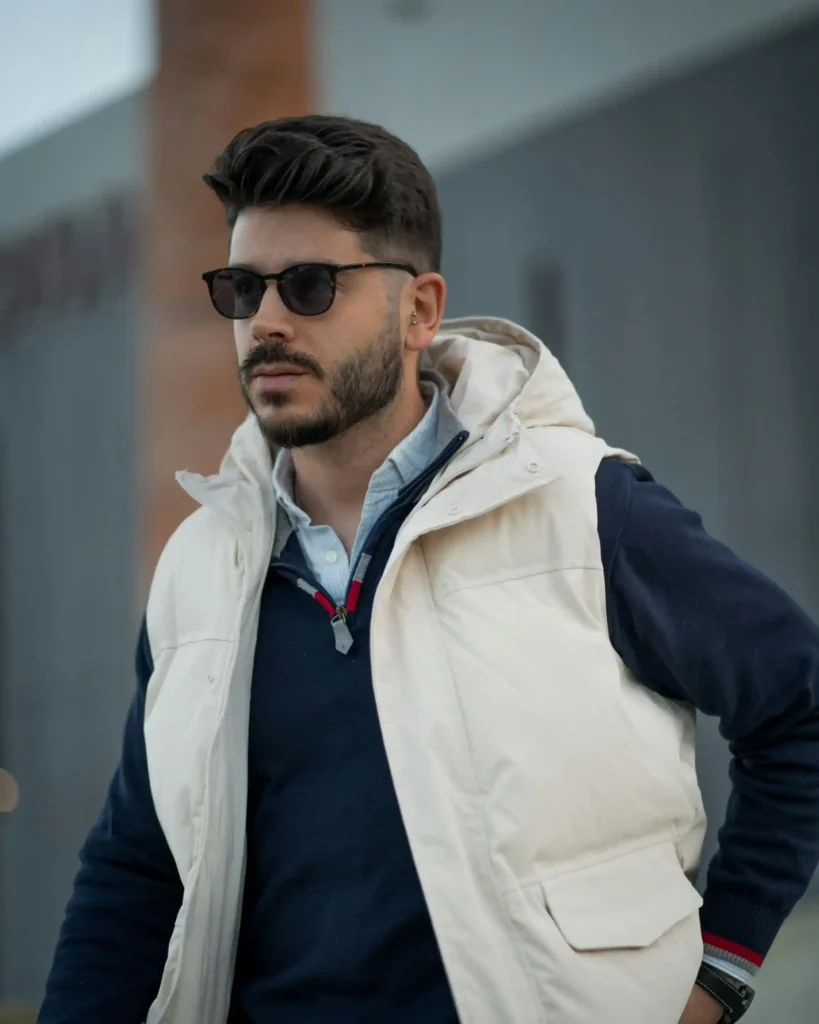
The secret to successful layering across all seasons is the “Three-Layer Rule.” This system allows you to add or remove pieces without compromising the integrity of your outfit.
- The Base Layer: This is your foundation—think silk camisoles, ribbed organic cotton tanks, or a crisp poplin shirt. It should be breathable and comfortable against the skin.
- The Mid Layer: This provides insulation and visual interest. A lightweight cashmere sweater, a tailored vest, or an oversized button-down serves this purpose perfectly.
- The Outer Layer: Your “Third Piece” that finishes the look. This can range from a structured blazer to a lightweight trench coat.
2. Spring: The Art of Transitional Weight
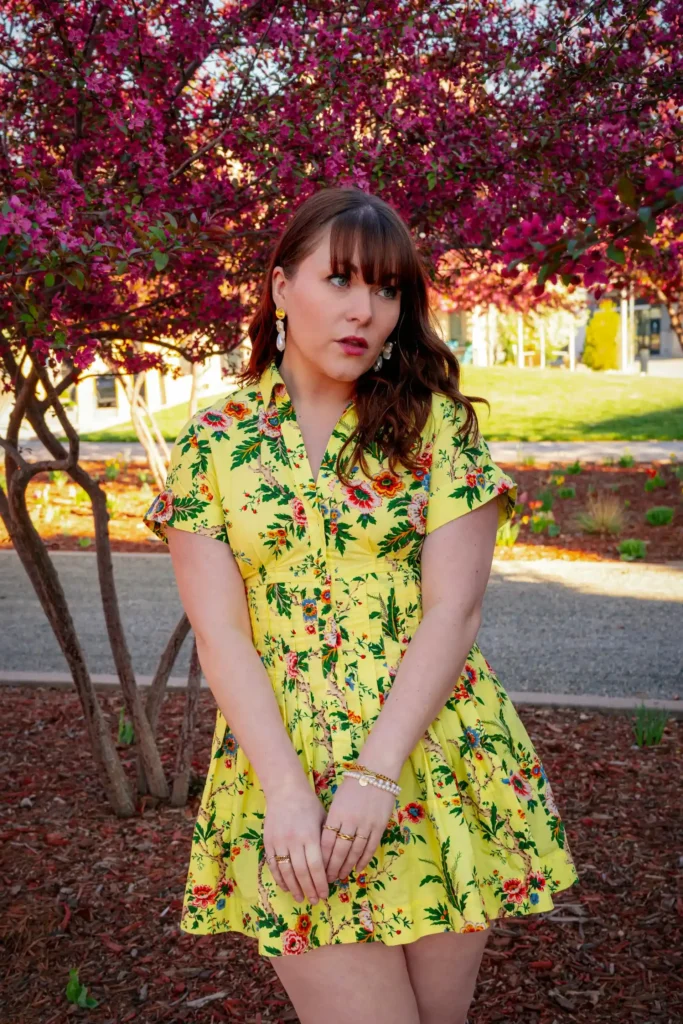
Spring in the United States is unpredictable. The goal is to balance warmth with a sense of lightness.
- The “Soft Structure” Approach: Pair a midi-length slip dress with a chunky knit sweater. As the day warms up, remove the sweater and drape it over your shoulders for a chic, intentional look.
- Essential Piece: The Lightweight Trench. It protects against spring showers while adding instant authority to a basic tee and denim.
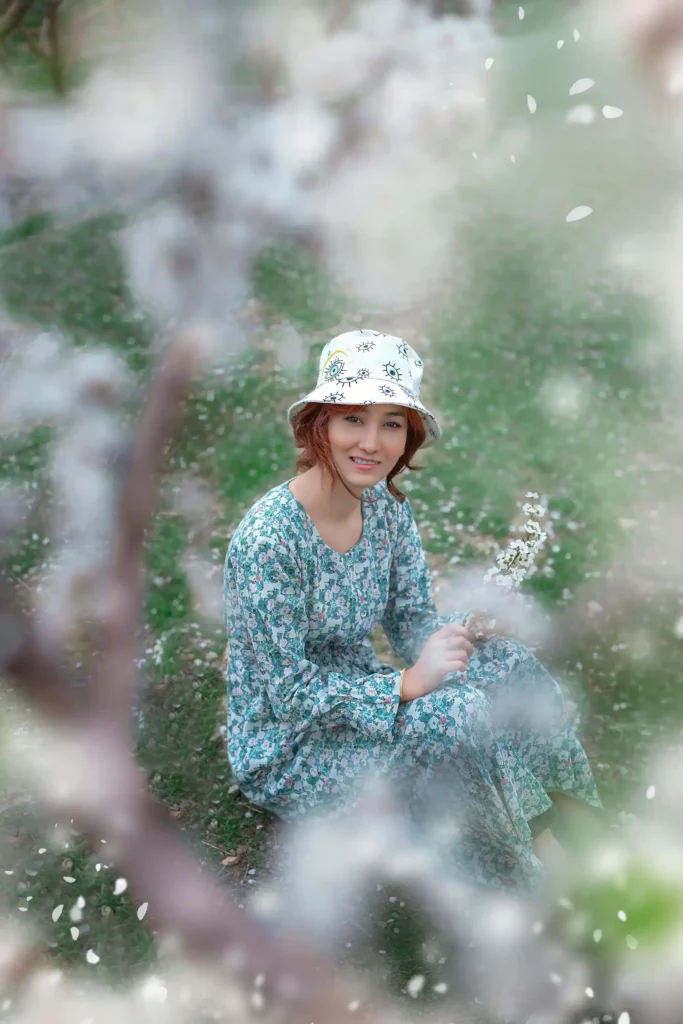
3. Summer: High-Flow Layering
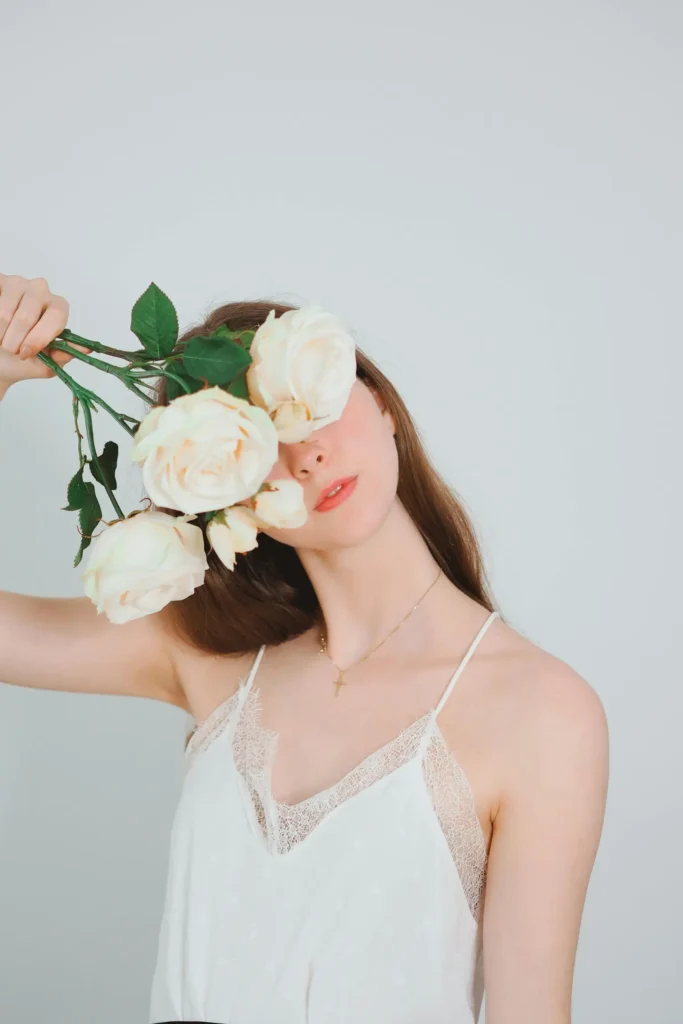
Layering in the summer may seem counterintuitive, but it is essential for transitioning from the outdoor heat to high-performance air conditioning.
- The “Solar Neutral” Palette: Stick to breathable fabrics like European flax linen and mulberry silk.
- The Look: Layer an unbuttoned oversized linen shirt over a silk camisole and tailored shorts. It provides sun protection and a polished silhouette without adding heat.
- The Accessory Layer: A large silk scarf can be tied to a straw tote or draped over shoulders during a cool evening breeze.
4. Autumn: Playing with Texture and Depth

Autumn is the “Golden Age” of layering. This is where you can truly experiment with the “Quiet Luxury” aesthetic by mixing textures.
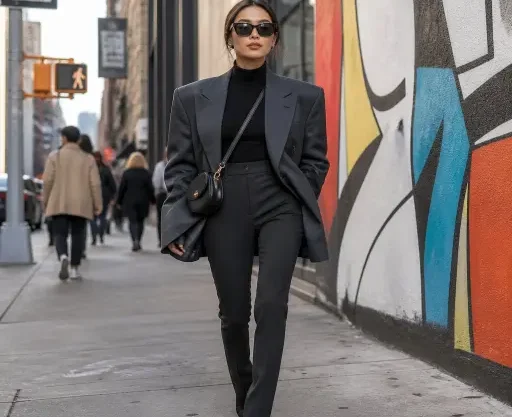
- Texture Over Trends: Mix matte high-compression leggings with a textured oversized blazer and a cashmere wrap.
- The Look: A ribbed turtleneck base layer under a tailored wool vest, topped with a longline overcoat.
- Footwear: Swap sandals for leather loafers or block-heel booties to ground the heavier layers.
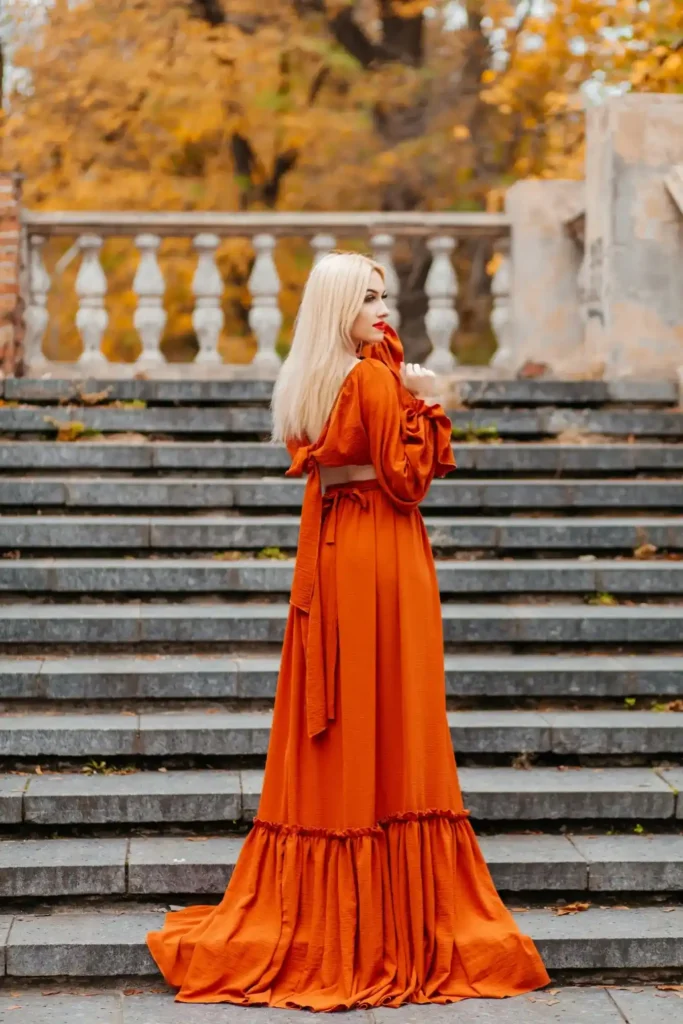
5. Winter: Maximum Insulation, Zero Bulk
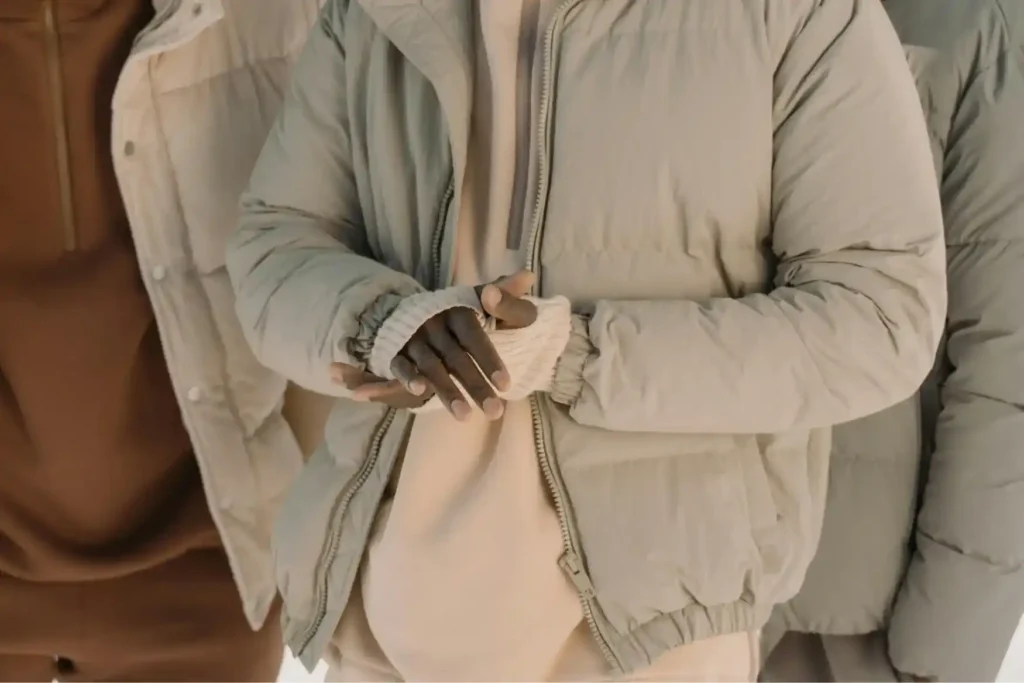
Premium winter layering is about choosing high-quality fibers that provide warmth without making the silhouette look “puffy”.
The Cashmere Strategy
Cashmere is the ultimate winter hero because it offers immense warmth without bulk.
The Look
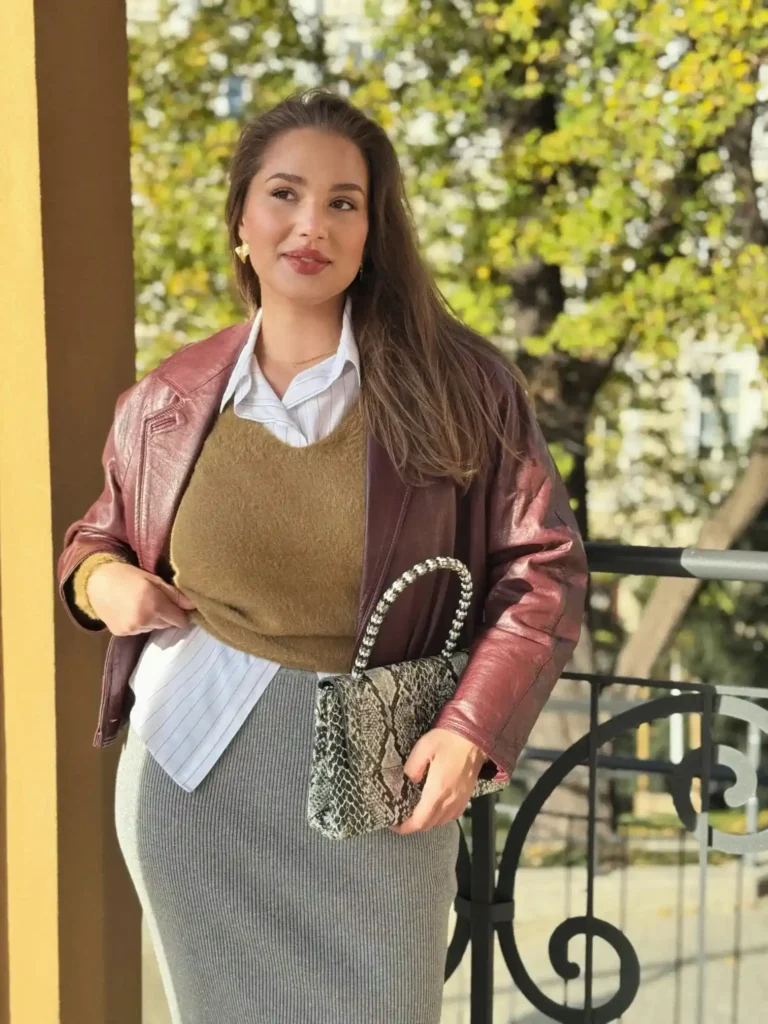
Start with a seamless thermal base, add a cashmere co-ord set, and finish with a structured wool coat.
The Finishing Touch
A large cashmere wrap doubles as a scarf and a blanket for long-haul winter travel.