How to Mix and Match Outfits Like a Fashion Pro: The 2026 Ultimate Guide
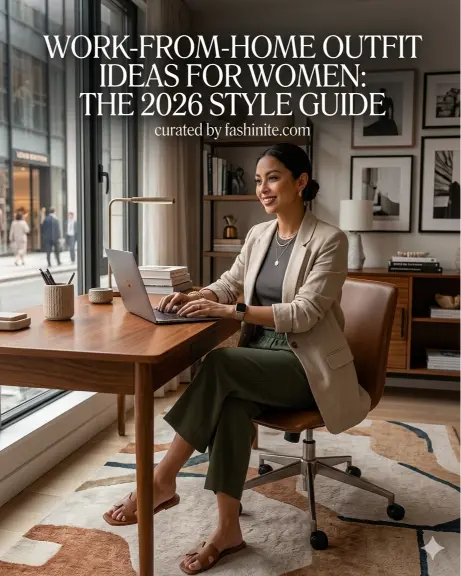
The hallmark of a true fashion authority isn’t a closet overflowing with new arrivals; it is the ability to look at a limited selection of garments and see infinite possibilities. In the current 2026 fashion landscape, where sustainable luxury and intentional consumption are the gold standards, the most valuable skill a woman can possess is the art of the “mix and match.”
Learning how to mix and match outfits like a fashion pro allows you to transcend the limitations of a seasonal wardrobe. It is the difference between having “nothing to wear” and having a curated collection that feels fresh every single morning. This guide will walk you through the professional frameworks used by stylists in New York and Paris to create cohesive, high-impact looks from existing pieces.
How to Mix and Match Outfits Like a Fashion Pro
1. The Foundations of “Cohesion Theory”

Before you can effectively mix and match, you must understand why certain pieces work together while others clash. Fashion pros rely on Cohesion Theory, which focuses on three pillars: Color, Texture, and Occasion.
The Anchor Piece
Every successful mixed outfit starts with one “Anchor.” This is usually a neutral staple—like a tailored charcoal blazer or high-waisted cream trousers. Once you have your anchor, every subsequent piece must either complement its color or contrast its texture.
The Occasion Bridge

A “pro” move is taking a piece typically reserved for one setting and “bridging” it into another. Think of pairing a silk slip dress (evening) with an oversized cashmere sweater and loafers (daytime). This doubles the utility of your most expensive items.
2. Mastering the 2026 Color Palette

In 2026, “Color Blocking” has matured into Tonal Layering. Instead of pairing neon green with hot pink, the modern professional mixes varying depths of the same color family.
Professional Color Mixing Strategies:
- The 60-30-10 Rule: Borrowed from interior design, this rule suggests your outfit should be 60% of a primary neutral (e.g., Navy), 30% of a secondary tonal shade (e.g., Slate Blue), and 10% of an accent or “pop” color (e.g., a gold belt or a burgundy clutch).
- The “Sandwich” Method: To create an instantly balanced look, match your shoes to your top or your hair color. This “sandwiches” the middle of the outfit (the pants/skirt), creating a visual loop that feels incredibly intentional.
- Monochrome with Depth: If you are wearing all beige, ensure the fabrics vary. A matte wool pant paired with a high-shine silk blouse prevents a monochromatic look from appearing like a uniform.
3. The Secret Language of Textures
When color is kept minimal, texture becomes the primary tool for visual interest. A common mistake is pairing “flat” fabrics with other “flat” fabrics (e.g., a cotton tee with cotton chinos). To mix and match like a pro, you must embrace Tactile Contrast.
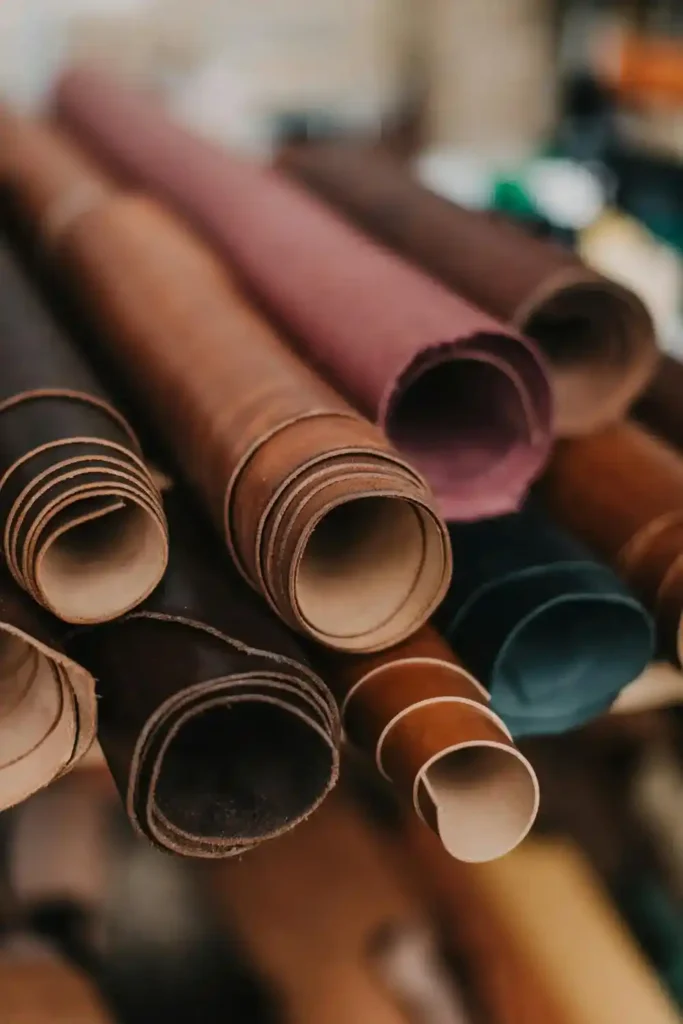
- Hard vs. Soft: Pair the “hardness” of a leather skirt with the “softness” of a mohair knit. The contrast in how light hits these fabrics adds a premium dimension to the outfit.
- Smooth vs. Rough: A crisp, white poplin button-down (smooth) looks exceptionally sophisticated when tucked into a heavy tweed or bouclé skirt (rough).
- Sheer vs. Opaque: In 2026, layering a sheer organza blouse over a structured silk camisole is a high-fashion way to play with depth without adding bulk.
4. Proportions: The 1/3 to 2/3 Framework
The most frequent reason an outfit “feels off” is a failure of proportion. Fashion pros almost never divide their body in half (the 50/50 look). Instead, they aim for the Golden Ratio.
How to Apply Proportions:
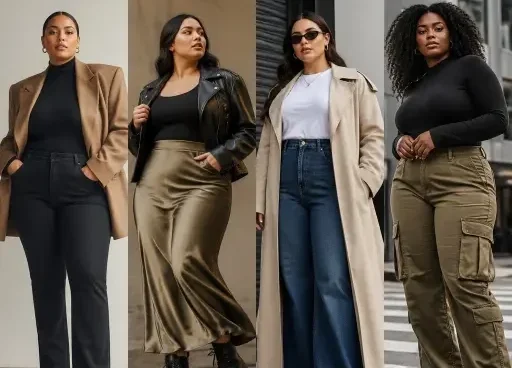
- The High-Waist Elongation: By tucking a blouse into high-waisted trousers, you create a 1/3 top and 2/3 bottom ratio. This is the most universally flattering silhouette as it visually lengthens the legs.
- The Volume Counter-Balance: If you are wearing wide-leg trousers (high volume), your top should be fitted or “tucked” (low volume). Conversely, if you are wearing slim-fit leggings or a pencil skirt, an oversized “boyfriend” blazer provides the necessary architectural balance.
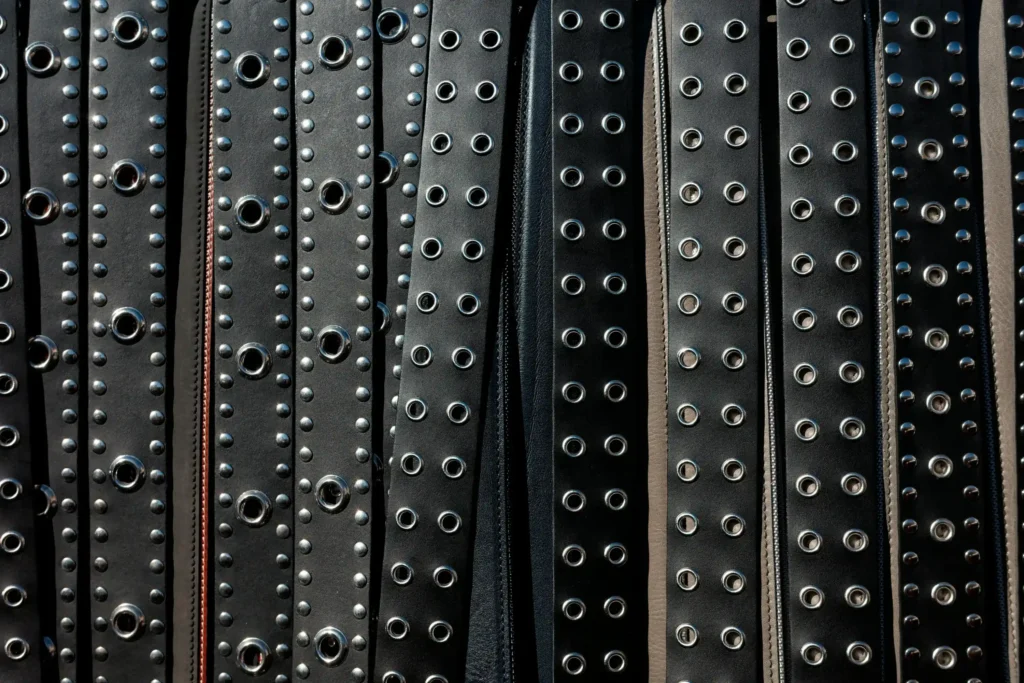
- The Belt as a Pivot: A belt isn’t just for holding up pants; it is a tool to redefine where your 1/3 ratio begins. Placing a belt at the narrowest part of the waist can transform a boxy dress into a tailored masterpiece.

5. The “Third Piece” Rule: The Stylist’s Secret
If you ever feel your outfit is “boring,” it’s likely because you only have two pieces. The “Third Piece Rule” is the most effective hack for mixing and matching like a professional.
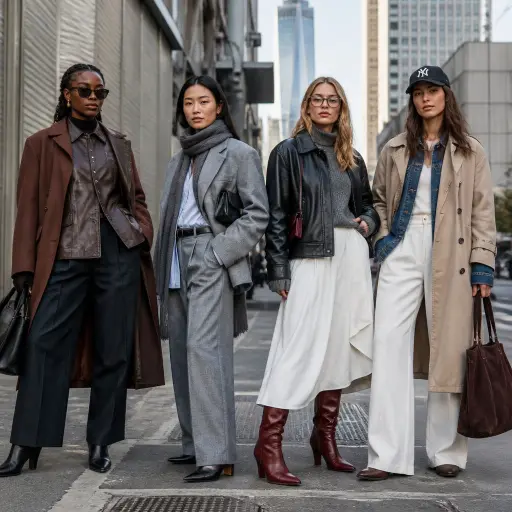
- The Rule: A top and a bottom is a basic look. A top, a bottom, and a third element (a blazer, a leather jacket, a statement scarf, or even a bold sweater tied over the shoulders) is an “outfit.”
- Why it works: The third piece provides a layer of complexity. It allows you to introduce a new texture or color that “ties” the shoes and bag together, making the entire ensemble look like it was pulled from a luxury lookbook. also check out minimalist wardrobe ideas.
6. Curating a “Mix-Ready” Wardrobe

To mix and match effectively, your closet must be organized by functionality rather than category.
- The “Rule of Three”: Before buying a new item for your fashinite.com inspired wardrobe, you must be able to mentally pair it with three items you already own. If you can’t, that item is a “closet outlier” and will actually make dressing harder.
- The Capsule Mentality: Even if you don’t have a strict capsule wardrobe, keeping your “power basics” (white tee, black blazer, denim, silk blouse, neutral trousers) in a central, visible location makes the daily mix-and-match process seamless.
7. Footwear and Accessories: The Final Polish
Accessories are the “glue” of a mixed outfit. They have the power to change the entire vibe of a look.
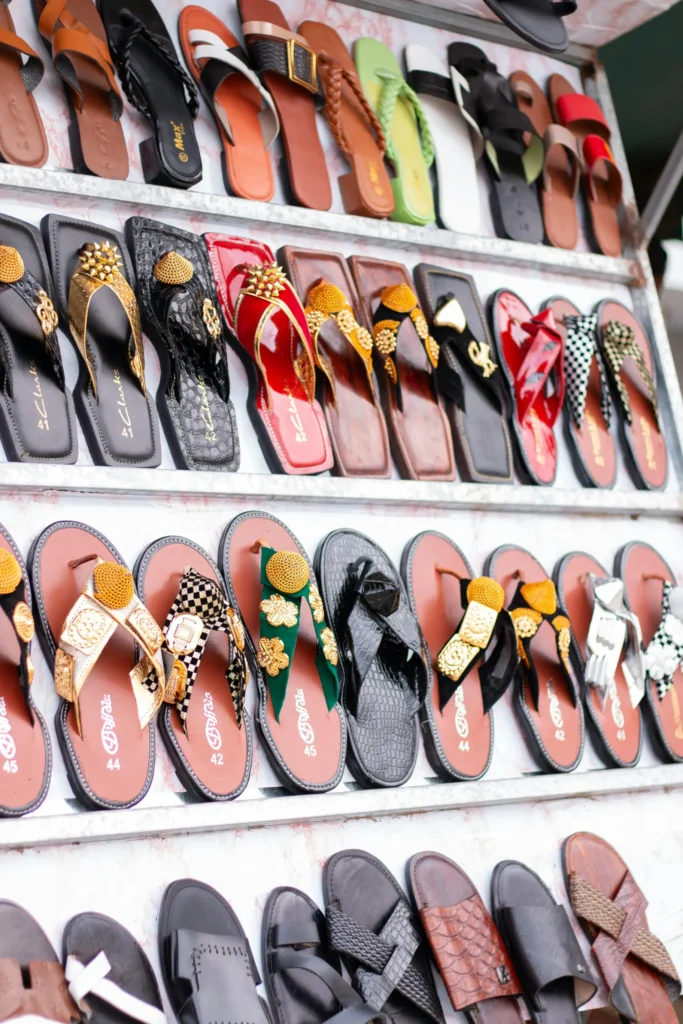
- The Shoe Swap: A midi skirt and sweater paired with sneakers is “streetwear chic.” That same skirt and sweater paired with pointed-toe stiletto boots is “boardroom ready.” This is the essence of mixing and matching—changing the context without changing the core clothes.
- Hardware Alignment: Ensure the metals of your jewelry match the hardware (buckles, zippers) of your shoes and handbag. This subtle consistency acts as a psychological cue that you are a “pro” who pays attention to the details.
Conclusion: Developing Your Signature Eye

Mixing and matching is a skill that improves with experimentation. The goal isn’t to follow a rigid set of rules, but to use these frameworks—color theory, texture contrast, and the “Third Piece Rule”—to express your unique identity.
For the fashinite.com reader, style is an investment in self. By mastering these professional techniques, you ensure that your wardrobe is not just a collection of garments, but a versatile toolkit for success. In 2026, true luxury is found in the creativity of the mix.